How to file a storm damage roof insurance claim in Washington
A step-by-step guide to filing a storm damage roof insurance claim in Washington, from emergency tarping and documentation to adjuster meetings and appeals.
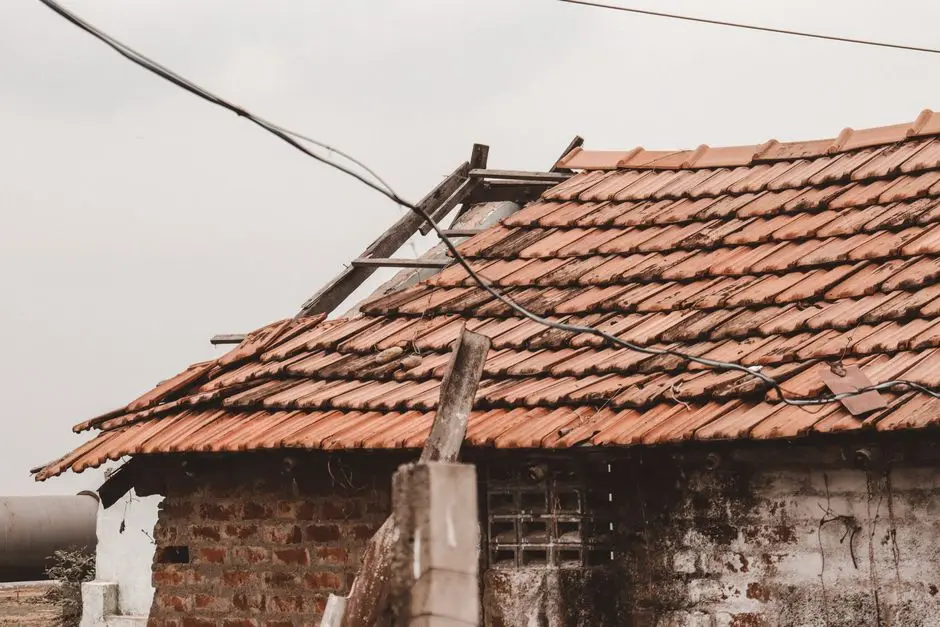
To file a storm damage roof insurance claim in Washington, you call your insurer's claims line, get a claim number, document the damage with dated photos and a written timeline, and meet the adjuster on site with a roofing contractor present. Most Washington carriers accept the claim within 24 to 72 hours of your call, and the whole process usually runs four to eight weeks from first contact to final payment. This guide walks through each stage in order, including what to do in the first 24 hours, how to document damage the adjuster cannot dispute, and how to push back if the claim comes back denied or underpaid.
Does homeowners insurance cover storm damage to your roof in Washington?
Standard Washington homeowners policies cover sudden storm damage - wind, hail, falling limbs, snow load - but not wear and tear, rot, or neglect. A storm damage roof insurance claim in Washington is a first-party claim against your own policy, which is why the burden of proof sits with you, not the roofer.
What gets covered, in plain terms:
- Wind - missing shingles, lifted ridge caps, torn underlayment, bent metal panels.
- Hail - bruised or fractured shingle mats, dented gutters, cracked skylight domes.
- Falling debris - limbs, chimney caps, satellite dishes that punch through the deck.
- Snow and ice - ice dams that force water under the shingles, collapsed carports, sagging rafters.
What is almost never covered: a 20-year-old roof that finally leaks after a light drizzle, moss damage, rusted flashing you ignored for three winters, and anything a home inspector flagged before you closed. Washington carriers are strict about the difference between an event and a condition. If your roof was already at the end of its life, the insurer may pay only the depreciated value - or nothing at all.
What to do in the first 24 hours after a storm hits your roof
After storm damage to a roof in Washington, the first 24 hours decide how much of your claim survives. Move in this order.
- Get safe and get the water stopped. If a limb is on the roof or water is pouring through a ceiling, call for emergency roof repair in Washington before you call the insurer. Most policies require you to mitigate further damage, and a tarp costs a fraction of interior repairs.
- Photograph everything before anyone touches it. Wide shots of the house, close-ups of damaged shingles, and photos of every interior stain, buckled floor, and soaked insulation batt.
- Write a timeline. Date, time, wind speed if you know it, hail size, and what you saw when you walked outside. Adjusters love a clean timeline because it matches the NOAA storm report they pull.
- Call your insurer. You can file online, but for storm claims the phone is faster. Ask for the claim number and the name of the assigned adjuster.
- Do not sign anything from a door-knocker. Storm-chasers follow hail through the Yakima Valley and the Puget Sound every spring. If a stranger wants your claim number and a signed contract the same afternoon, walk away.
If you are in the middle of a storm right now, our team handles emergency roof repair in Washington and can tarp, secure, and photograph the damage promptly.
How to document storm damage for your roof claim
Documenting storm damage for a roof claim means building a file the adjuster can approve without a second visit. A weak file is the single most common reason a Washington roof claim gets trimmed.
Put this in one folder - digital or paper:
- 30 to 50 dated photos: roof from the ground, roof from a ladder if safe, attic underside, ceilings, gutters, siding, and any debris that hit the house.
- A one-page written summary of the storm and the damage.
- Receipts for anything you already paid - tarping, hotel, a generator, tree removal.
- Your policy declarations page and the claim number.
- A contractor's written inspection report with measurements and photos.
That last item carries more weight than anything you can write yourself. A licensed roofer's report in the insurer's own format - squares of shingle, pitch, decking condition, code-required items - gives the adjuster a number to work from instead of a guess. We provide that report as part of a roof inspection in Washington, and we hand you a copy you own, whether or not you hire us for the repair.
How to file a roof insurance claim in Washington, step by step
The roof insurance claim process in Washington runs on a predictable track. Here is the sequence, with the realistic timing at each step.
Step 1: Open the claim (day 0)
Call the claims line, give the date of loss, and describe the damage in one or two sentences. You will get a claim number within minutes and an adjuster assignment within 1 to 3 business days.
Step 2: Emergency mitigation (day 0-2)
Tarp, board, or dry-in. Keep every receipt. Washington carriers reimburse reasonable mitigation up to your policy limits on a standard HO-3.
Step 3: Adjuster inspection (day 3-10)
The adjuster walks the roof, measures, and photographs. Be there. Have your contractor there too. Two sets of eyes on the same slope catches the hail bruising and lifted flashing that a 20-minute walk misses.
Step 4: Scope and estimate (day 7-21)
The insurer issues a scope of loss with line items and prices. Compare it against your contractor's estimate line by line. Missing items - drip edge, ice-and-water shield, ridge vent, permit fees - are normal and fixable at this stage.
Step 5: Negotiation and approval (day 14-35)
You or your contractor submits a supplement for anything the adjuster missed. Most supplements settle in one or two rounds.
Step 6: Payment and repair (day 30-60)
You receive actual cash value first, then recoverable depreciation after the work is complete and invoiced. Final payment usually lands 10 to 20 business days after the insurer receives the completion paperwork.
Meeting the roof claim adjuster in Washington
The roof claim adjuster in Washington is not your enemy, but they are not on your side either. They work for the insurer, they see 8 to 12 roofs a week after a big storm, and they price to a standard scope. Your job is to make their job easy and accurate.
Three things move the number in your favor:
- Presence. Be on site. Adjusters who inspect alone sometimes miss the back slope, the detached garage, or the shed.
- Evidence. Hand them your photo file and your contractor's report the moment they arrive.
- Code items. Washington State adopted the 2021 International Residential Code, and many jurisdictions now require ice-and-water shield at the eaves, a minimum 2:12 pitch for certain underlayments, and specific fastener schedules. Those are legitimate line items, and they add real money to a re-roof.
If the adjuster's scope comes in low, do not argue on the roof. Ask for the written scope, take it to your contractor, and submit a supplement. That is the normal path, not a confrontation.
How long does a roof insurance claim take in Washington?
A roof insurance claim in Washington takes four to eight weeks from first call to final payment on a straightforward wind or hail claim. Simple claims with one inspection and no supplement close in about 30 days. Claims with a dispute, an engineer's report, or a mortgage company on the check can run 90 to 120 days.
Washington's Insurance Fair Conduct Act and the state's unfair-claims regulations give carriers 15 working days to acknowledge a claim and 15 working days to accept or deny after receiving proof of loss. In practice, storm surges push those timelines out. If your claim has been open more than 45 days with no written decision, call the adjuster's supervisor, then the Washington Office of the Insurance Commissioner at 1-800-562-6900.
What to do if your storm damage roof claim is denied in Washington
A storm damage roof claim denied in Washington is not the end of the road. Denials usually cite one of four reasons: the damage predates the policy, the cause was wear and tear, the loss is below your deductible, or the claim came in past the deadline.
Here is how to fight back, in order:
- Request the denial in writing. You are entitled to the specific policy language the carrier relied on.
- Get a second opinion from a licensed roofer. A written report that ties the damage to a specific storm date contradicts a wear-and-tear denial directly.
- File a formal appeal. Most carriers have an internal appeal process; use it before going external.
- Request an appraisal. If your policy has an appraisal clause - most Washington HO-3 policies do - you and the insurer each hire an appraiser, and a neutral umpire breaks the tie. This is often faster and cheaper than a lawyer.
- File a complaint with the Office of the Insurance Commissioner. A single OIC complaint gets reviewed by a state analyst and frequently results in a reopened claim.
We have walked homeowners through every one of those steps, and we write the reports that make appeals stick. If you are in a neighborhood hit hard by recent wind - the older housing stock around roofing in Everett is a good example, where 1970s three-tab shingles are still on a lot of roofs - get the inspection done before the appeal window closes.
Common mistakes that shrink roof claim payouts
Most underpaid claims trace back to one of these five mistakes. Avoid them and you keep thousands of dollars on the table.
- Calling a roofer before calling the insurer. Repairs done before the adjuster sees the damage can void the claim.
- Signing a contingency contract at the door. Storm-chasers take 10 to 20 percent of your settlement and disappear when the supplement gets hard.
- Accepting the first scope. Initial scopes routinely miss drip edge, ice-and-water shield, vents, and permits - easily a significant amount on a typical Puget Sound re-roof.
- Letting the roofer "handle everything." You are the policyholder. You sign the proof of loss. Stay in the loop.
- Waiting. Washington policies typically require notice within one year of the date of loss for storm claims. Miss it and you have no claim at all.
When to call a professional
Call a professional the moment you see granules in the gutter, a shingle in the yard, or a water stain on the ceiling. Those three signs mean the roof has already failed somewhere you cannot see, and every rainstorm until the repair makes the damage worse and the claim messier.
Our team at washington roofing solution handles storm damage from the first tarp to the final invoice. We inspect, document, meet your adjuster on the roof, submit the supplement, and do the repair - one crew, one file, no finger-pointing between the roofer and the insurer. Whether you need a full roof replacement in Washington or a targeted patch, we scope it honestly and put the numbers in writing before we start.
Frequently Asked Questions
How do I file a storm damage roof claim in Washington?
Call your insurer's claims line, report the date of loss, and get a claim number - usually within minutes. Then photograph all damage, keep receipts for any emergency tarping, and schedule the adjuster inspection with your roofer present. The full process runs four to eight weeks.
Does insurance cover storm damage to roofs in Washington?
Yes, for sudden events - wind, hail, falling limbs, and snow load - under standard HO-3 policies. It does not cover wear and tear, rot, moss, or an aging roof that finally leaks. The key distinction is event versus condition, and the insurer will look closely at both.
What if my roof insurance claim is denied in Washington?
Request the denial in writing, get a second opinion from a licensed roofer, file the carrier's internal appeal, and if that fails, invoke the appraisal clause in your policy or file a complaint with the Washington Office of the Insurance Commissioner at 1-800-562-6900.
How long does a roof insurance claim take in Washington?
Four to eight weeks for a straightforward wind or hail claim. Simple claims close in about 30 days. Claims with disputes, engineering reports, or a mortgage company on the check can take 90 to 120 days. State rules give carriers 15 working days to respond at each stage.
Do I need a roofer to file a storm damage roof claim in Washington?
You can file on your own, but a licensed roofer's inspection report and on-site presence at the adjuster meeting routinely add to the settlement by catching missed line items like drip edge, ice-and-water shield, and permits.
Get help with roofing in Washington
Storm season does not wait, and neither should your claim. If your roof took a hit, call us at +1 (832) 520-2787 and we will be on your roof, camera in hand, before the adjuster arrives.