Granule loss and exposed shingle mat
We replace the bruised shingles with matching material, then check the surrounding field for soft spots. If the mat is still sound, the repair holds for years and costs a fraction of a new roof.
When hail pounds your shingles, you need hail damage roof repair in Washington from a crew that climbs the roof instead of guessing from the driveway. We serve homeowners and property managers statewide, from Federal Way to Moses Lake, with prompt tarping, photo-documented inspections, and code-correct repairs. One call starts it: 832-520-2787.
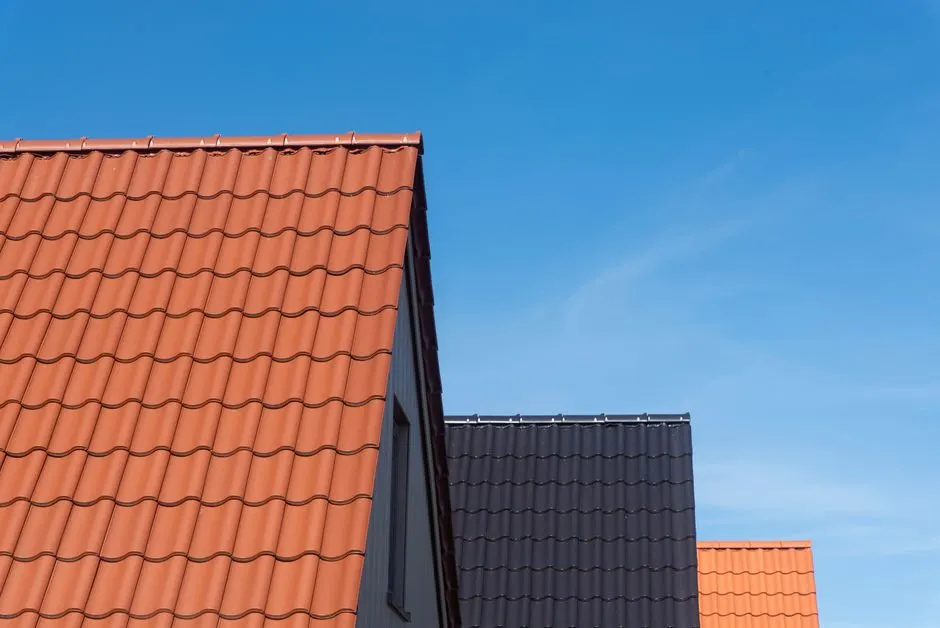
Hail damage roof repair in Washington is the process of identifying impact-bruised shingles, fractured mat, dented flashing, and granule loss, then restoring the roof to a watertight, code-compliant condition without replacing every slope. We start with a full deck-level inspection, mark each strike zone with chalk, and photograph every bruise next to a tape measure so the damage is measurable, not a guess.
Washington gets hit hardest from March through June, when cold-front thunderstorms push hail across the Columbia Basin and the Puget Sound lowlands. After a storm, we see the same pattern: asphalt shingles with soft, spongy spots, cracked ridge vents, and gutters packed with granules. That is when homeowners search for hail damage roof repair near me in Washington and need a crew that answers the phone.
Every job starts with a full inspection and a written scope, so you know what is covered before we touch the roof. Repairs include the materials, labor, cleanup, and warranty registration. If your claim needs adjuster support or emergency tarping, we handle that too.
We walk the roof with a roof safety harness and ladder stabilizer, mark every impact with chalk, and photograph each bruise next to a tape measure. You get the photo set promptly, which is the foundation of any insurance claim.
Your scope lists shingle counts, flashing sections, ridge vent replacements, and labor hours with measurements. It is the same document your adjuster reviews, which keeps the claim moving and prevents surprise charges later.
We source asphalt shingles, underlayment, ice and water shield, and flashing from GAF, Owens Corning, CertainTeed, Malarkey Roofing, IKO, TAMKO, and Atlas Roofing. Matching color and profile keeps your curb appeal intact.
If hail opened the roof to water, we tarp promptly. Most emergency calls in the Puget Sound area are covered within 3 to 4 hours, which protects insulation, drywall, and flooring until the permanent repair is scheduled.
We run magnetic sweeps for nails and roofing screws, clear gutters with a leaf blower, and haul away old material. Then we register the manufacturer warranty and hand you the workmanship warranty in writing.
You call 832-520-2787 or book online. We ask three questions: when the storm hit, what you are seeing inside, and whether you have filed a claim. A crew is scheduled, usually within 24 to 48 hours, and we text you the arrival window.
A hail damage roof inspection Washington crews can trust takes 45 to 90 minutes. We walk the roof with a roof safety harness and ladder stabilizer, mark every bruise with chalk, and check flashing, ridge vents, and ice and water shield at the valleys. You get photos before we leave.
We build a line-item scope with measurements, material counts, and photos, then meet your adjuster on the roof if needed. Most claims move faster when the contractor and adjuster are standing on the same slope looking at the same bruise.
Once the scope is approved, we order materials and schedule the work. A typical repair takes 3 to 6 hours; a full replacement runs 1 to 2 days. We protect landscaping, run magnetic sweeps for nails, and blow the gutters clean with a leaf blower before we leave.
You walk the roof line with us, check the photos against the finished work, and sign off. We hand you the warranty paperwork, the material receipts, and a maintenance sheet showing what to check each spring and fall.
Purpose-built equipment, used by trained technicians — so the job is done accurately the first time.
Keeps our crew safe on steep pitches and wet shingles. Every inspection and repair starts with a harness and a stabilized ladder, no exceptions.
Marks impact zones and measures each bruise so the damage is documented in inches, not adjectives. This is the evidence your adjuster needs.
Lifts damaged shingles without tearing the ones around them and sets new nails cleanly. Careful removal is what keeps a repair invisible.
Speeds up shingle installation and gives clean, straight cuts at valleys and ridges. Faster installation means less time your roof is open to weather.
Clears granules and debris from gutters and picks up stray nails and roofing screws from the lawn and driveway before we leave.
Quarter-size hail bruised the south and west slopes, knocked granules into the gutters, and dented two ridge vents. The homeowner found grit in the downspouts and called us before water reached the attic.
We replaced 14 bruised shingles, installed two new ridge vents, and cleared 40 feet of gutter. The repair took one afternoon, and the claim was approved in nine days.
A 1940s craftsman took hail across three slopes. The mat was fractured on the south face, and the homeowner's first adjuster called it cosmetic. Water was already staining the attic sheathing.
We documented the fractured mat with measured photos, met the adjuster on the roof, and replaced the damaged slopes with matching CertainTeed shingles. The claim was reopened and approved.
Large Basin hail dented the metal flashing and ridge vents on a 1990s home. The shingles were bruised but the mat was sound, so a full replacement was not necessary.
We replaced the flashing and ridge vents, repaired 22 bruised shingles, and water-tested every repair. The homeowner paid their deductible and nothing more.
Hail leaves damage you cannot always see from the ground. These are the problems we find most often after a Washington storm, and what happens if they are left alone.
Ask a pro →We replace the bruised shingles with matching material, then check the surrounding field for soft spots. If the mat is still sound, the repair holds for years and costs a fraction of a new roof.
We replace damaged flashing and ridge vents with new metal and sealed components, then water-test the repair. This restores ventilation and keeps water out of the deck.
We clear the gutters with a leaf blower, flush the downspouts, and check the fascia for rot. Clearing the path keeps water moving away from the roof edge.
Our inspection catches bruising before it becomes a leak. If water is already inside, we find the entry point, repair the shingle and underlayment, and check the attic for moisture.
Priced by scope — schedule a consultation for a written estimate.
Most insurance-covered repairs leave you paying only your deductible. We provide a written line-item scope before any work begins, so the number you see is the number you pay. If you are comparing estimates, ask each contractor for measured photos and a material list, not a verbal guess.
A documented repair protects your deck, insulation, and drywall from water damage that costs far more to fix later. We scope the work honestly, repair when repair is enough, and put the warranty in writing.
A steep two-story roof takes longer to walk and repair safely, which raises labor. A single-story rambler with a low pitch is faster and costs less for the same damage.
A few bruised shingles on one slope is a spot repair. Fractured mat across multiple slopes pushes the job toward replacement, which changes the price significantly.
Matching discontinued shingle lines costs more than current stock. We source from GAF, Owens Corning, CertainTeed, Malarkey Roofing, IKO, TAMKO, and Atlas Roofing to find the closest match.
Dented flashing and cracked ridge vents add material and labor. Replacing them during the repair is cheaper than a second visit later.
Look for granules in your gutters and downspouts, dark soft spots on shingles, and dents on metal vents or flashing. From the ground, hail damage is easy to miss. A hail damage roof inspection Washington homeowners trust takes 45 to 90 minutes and uses measured photos to confirm bruising you cannot see from the yard.
Yes, most Washington homeowner policies cover sudden hail damage, and repairs are typically covered after your deductible. We document the storm date, photograph every impact with a tape measure, and meet your adjuster on the roof. That support is why most hail damage roof insurance claim Washington files we assist get approved on the first pass.
Hail repair costs depend on the extent of the damage, roof size, pitch, and material. Small patches are simpler; a full slope or full replacement after severe hail takes more. Schedule a consultation for a written estimate based on your roof.
Often, yes. If the shingle mat is intact across most of the field and damage is limited to a few slopes, we repair those sections with matching shingles and leave the rest of the roof in place. When 30 percent or more of the field shows fractured mat, replacement is the better long-term call.
We provide hail damage roof repair in Washington across both sides of the Cascades, with crews stationed to reach most cities within a day. From the I-5 corridor to the Columbia Basin, we bring the same measured inspection, written scope, and warrantied repair to every job.
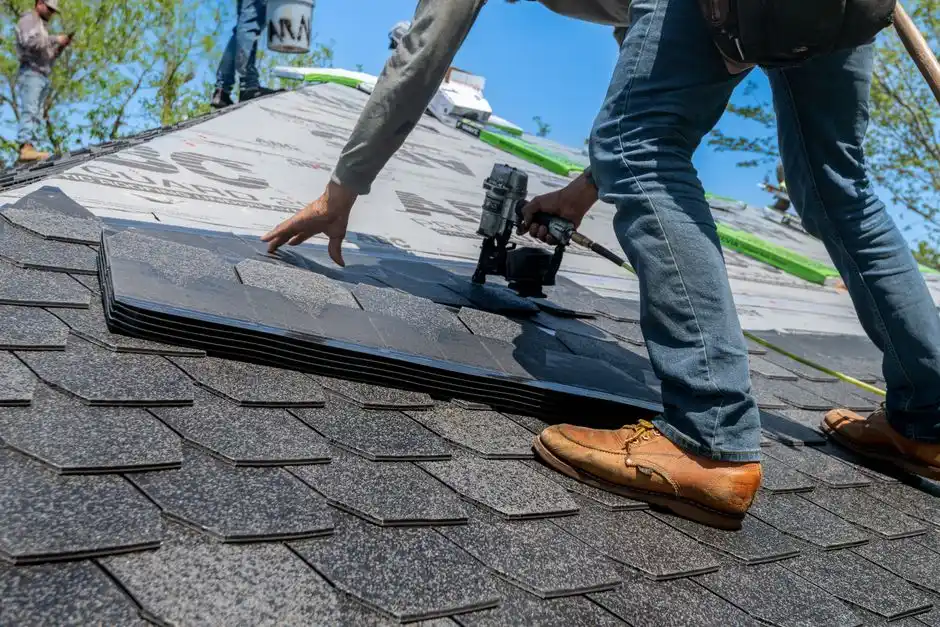 Roof InstallationWhen hail damage is widespread enough that repair no longer makes sense, we install a new roof system with underlayment, ice and water shield, and ridge vents built for Washington weather. We handle permits and material delivery.Explore →
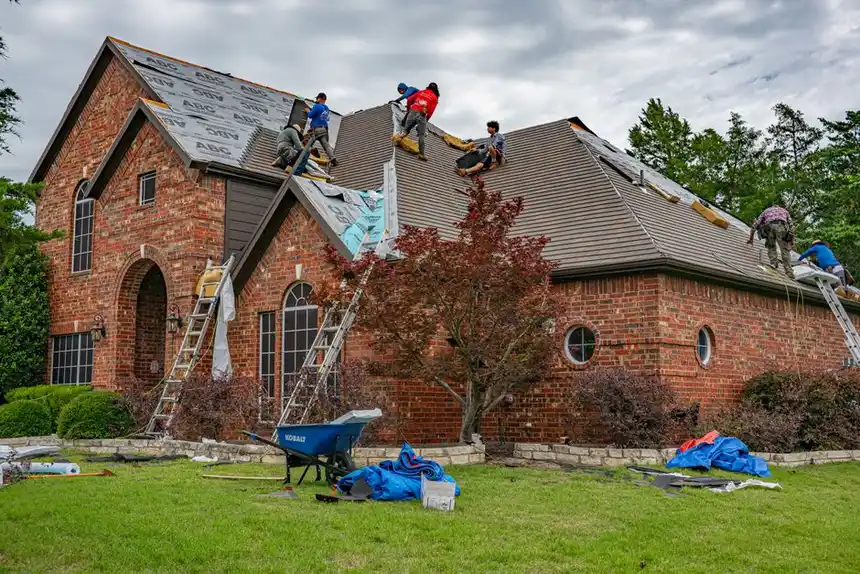 Roof ReplacementFull tear-off and replacement is the right call when hail has fractured the shingle mat across the field. We match your existing profile and color, haul away the old material, and register the manufacturer warranty in your name.Explore →
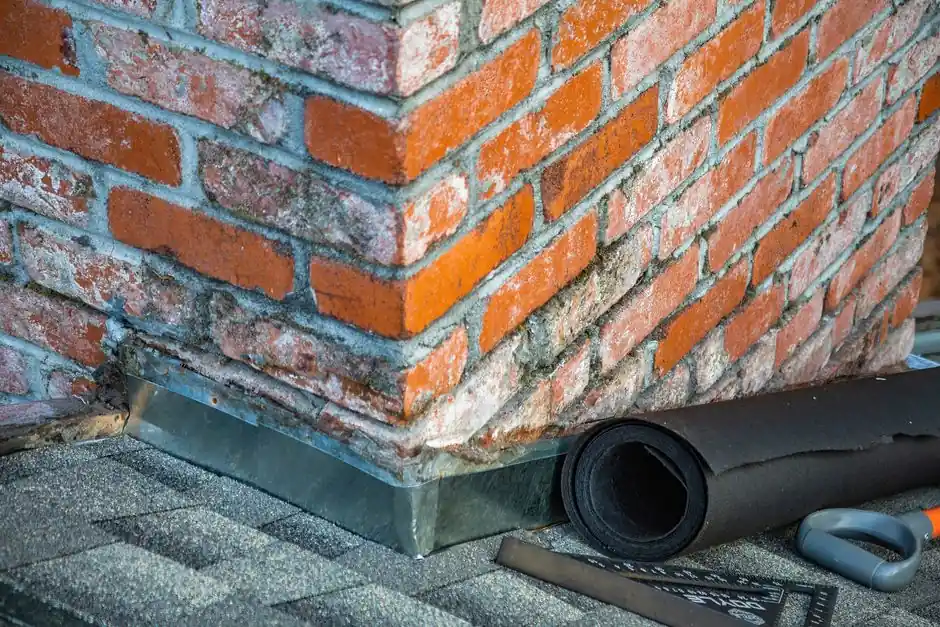 Roof RepairSmall hail strikes, cracked flashing, and loose ridge caps fall under general repair. We fix the specific problem, test it with a water check, and leave the rest of the roof untouched so you keep more of your budget.Explore →
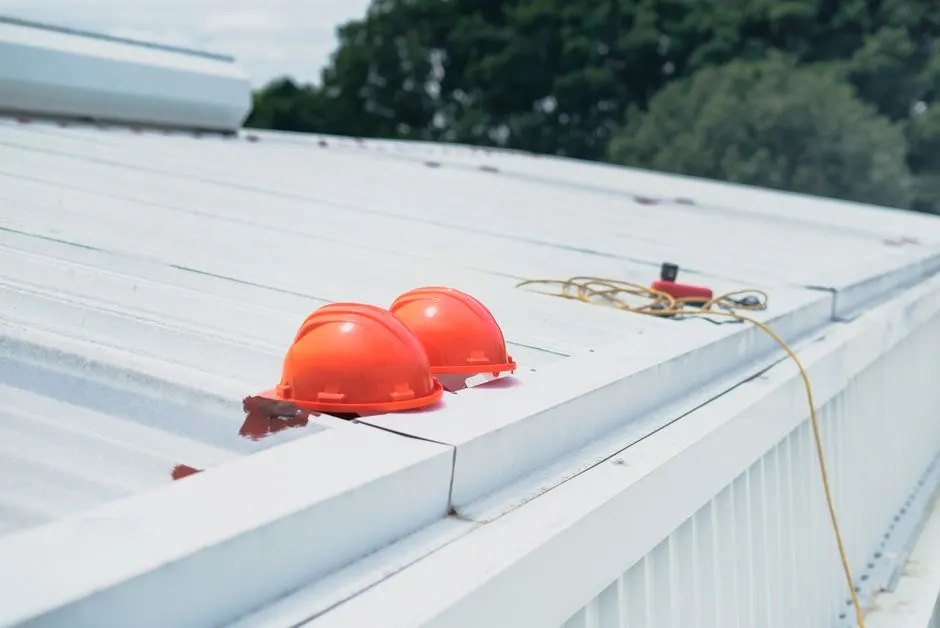 Roof InspectionOur inspection covers shingles, flashing, valleys, vents, and gutters, with measured photos of every impact point. It is the fastest way to know whether you have a claim and what the repair scope should include.Explore →
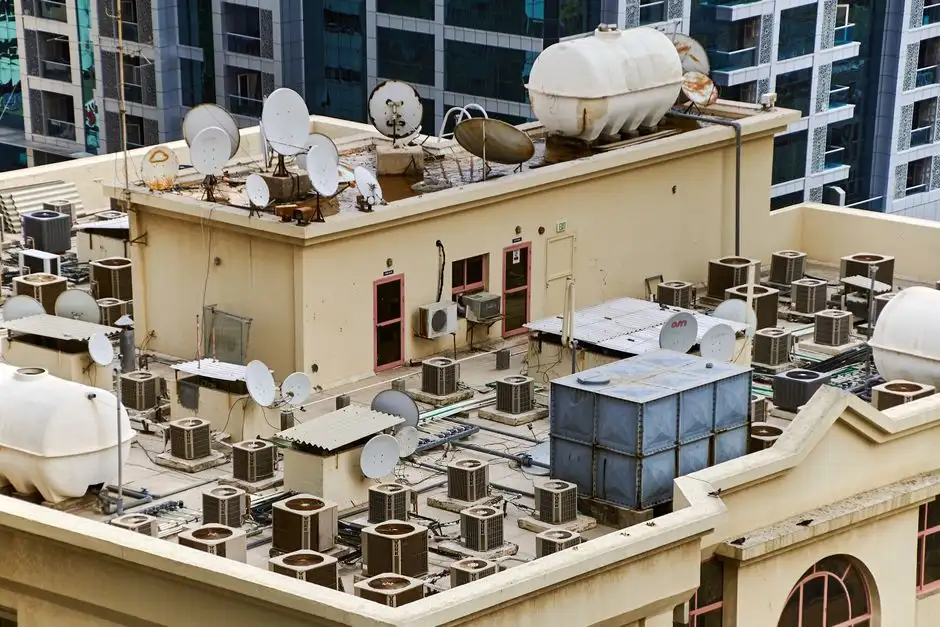 Roof MaintenanceTwice-a-year maintenance clears moss, reseals flashing, and clears clogged gutters before they back water under the shingles. After a hail repair, maintenance keeps the new material and the surrounding roof performing together.Explore →
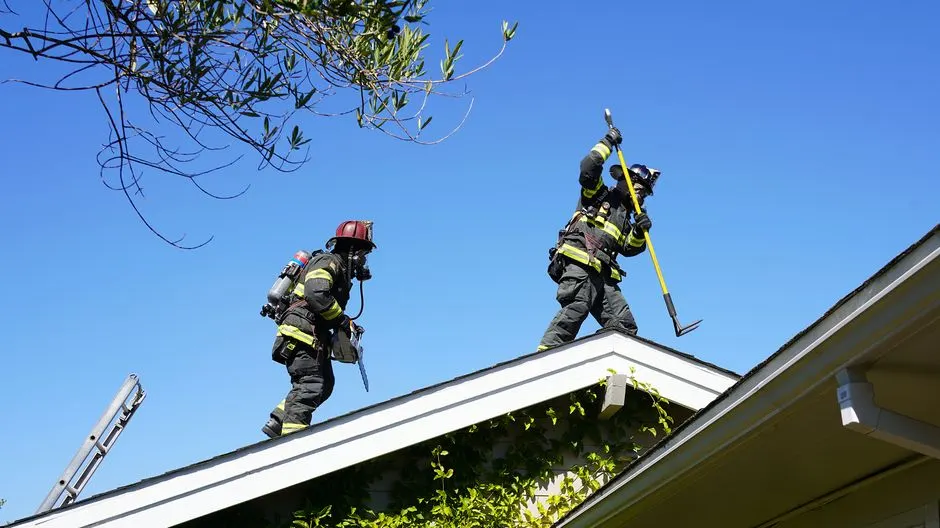 Residential RoofingWe repair and replace roofs on single-family homes, townhomes, and duplexes across Washington. From 1920s craftsman homes to new builds, we match materials and methods to the roof in front of us.Explore →
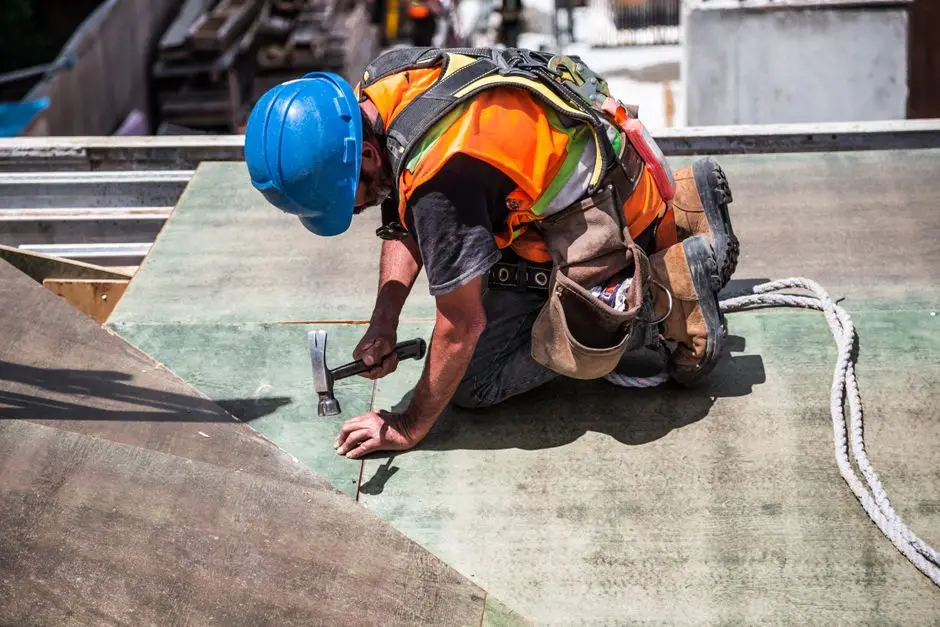 Commercial RoofingHail dents TPO membrane, EPDM membrane, and metal roofing panels on commercial buildings. We inspect, patch, and document the damage for property managers and building owners who need the roof watertight before the next storm.Explore →
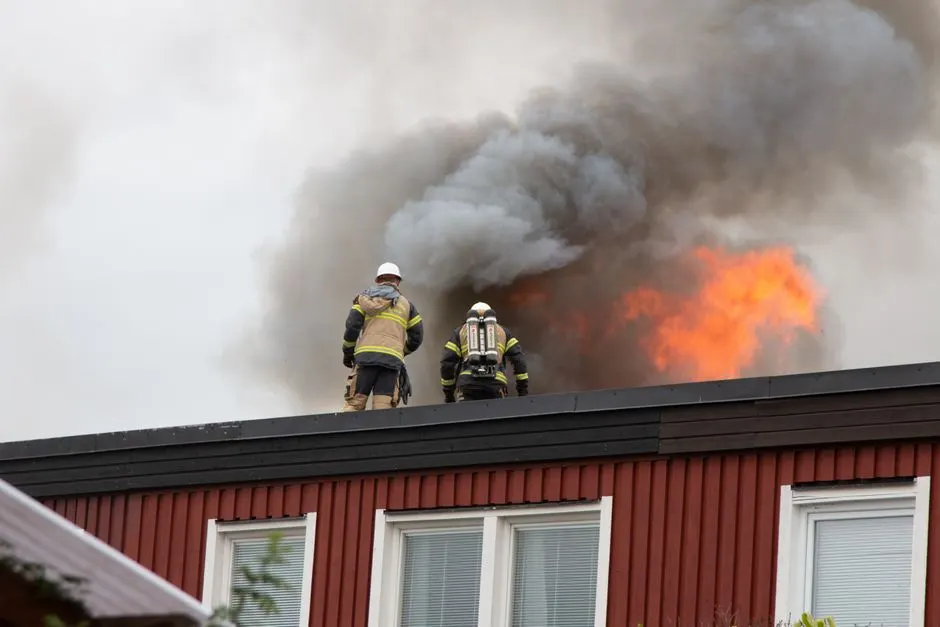 Emergency Roof RepairWhen hail punches through decking or tears off ridge caps, we tarp promptly and stop water from reaching insulation and drywall. Most emergency calls in the Puget Sound area are covered within 3 to 4 hours.Explore →
Storm season does not wait, and neither should you. Call 832-520-2787 for a prompt inspection, a written scope, and a crew that documents every bruise for your insurer. Licensed, insured, and warrantied in writing.
Book Inspection +18325202787 →Call us to schedule a consultation. Our phone line is answered during business hours for leaks, storm damage and emergency tarp-overs, and regular estimates get scheduled within one business day. Tell us your address and what the roof is doing, and we will get a crew out to take a look.