Moss lifting shingles on shaded slopes
We treat the growth with a roof-safe solution, clear it by hand, and set a re-treatment schedule. On shaded Bellevue and Snohomish roofs we often recommend a spring follow-up to keep it from returning.
Roof cleaning in Washington is not cosmetic. Moss holds moisture against shingles, lifts tabs, and rots the deck underneath — and in our climate it comes back every year on shaded slopes. We clean roofs across Washington with soft washing and hand clearing, never a pressure washer that strips granules, and we treat the growth so it stays gone longer. Schedule a consultation for a written estimate based on your roof.
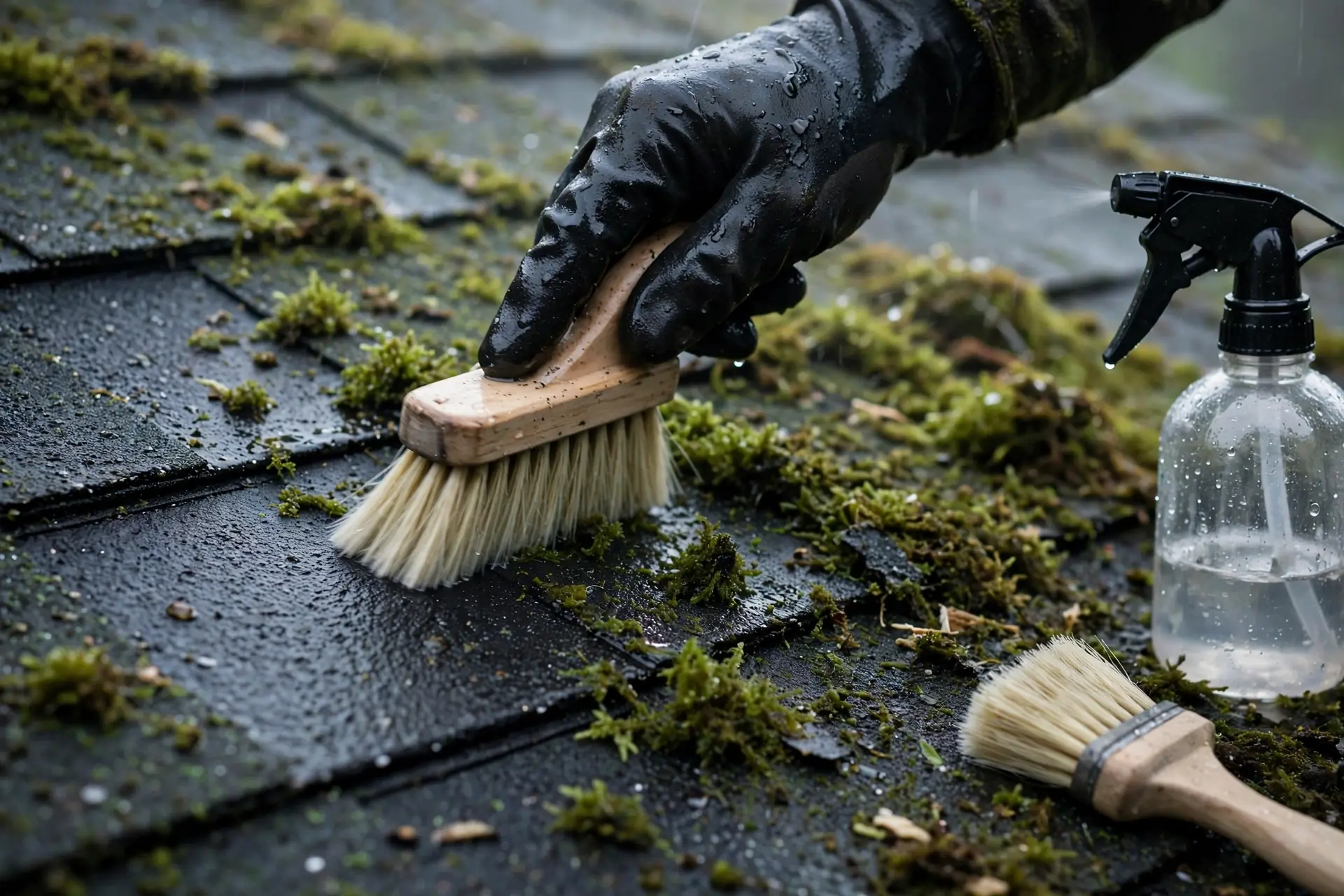
Roof cleaning in Washington is scheduled, hands-on roof care that removes moss, algae, fir needles, and leaf litter before they shorten the life of the roof. A real cleaning is not a quick rinse from the ground. We get on the roof, clear the debris by hand, apply a roof-safe treatment that kills moss at the root, and confirm the gutters and downspouts drain. On a typical asphalt shingle roof, a cleaning visit runs two to four hours.
Washington roofs grow moss faster than roofs in dry states: 35 to 60 inches of rain a year on the west side, shaded north-facing slopes that never fully dry, and fir needles that trap moisture in every valley. That is why roof cleaning Washington homeowners schedule every year or two protects the shingles they already have. If you have been searching roof cleaning near me in Washington and putting it off, the green on your shingles is the reason to stop waiting.
Every cleaning visit covers the checklist below. If we find something outside it, like a failed section of flashing or a shingle that needs replacing, we price it on the spot and you decide. No surprise line items after the fact.
We apply a low-pressure, roof-safe wash that lifts dirt and algae without blasting granules off the shingles. Pressure washing is never used on asphalt shingles, because it strips the protective layer and shortens roof life.
We apply a roof-safe treatment that kills moss and algae down to the root, then clear the dead growth by hand. We set a re-treatment interval based on shade and exposure, usually 12 to 24 months.
Fir needles, leaves, and grit come off the roof surface and out of the valleys by hand and blower. Debris is bagged and hauled off, not pushed into the downspouts. On treed lots this is the highest-value part of the visit.
We clear the gutters and confirm the downspouts flow, so the water the roof sheds actually leaves the property. We also check that water is moving away from the foundation.
You get labeled before-and-after photos and a plain-language summary of what we found, what we cleaned, and what to watch. If the roof is nearing the end of its life, we tell you that too.
We start with a ground-level look and a walk of the roof where it is safe, photographing moss, algae, debris, and any lifted shingles. You get a clear picture of the roof condition before any cleaning starts.
Crews blow off needles, leaves, and grit with a leaf blower, then hand-clear valleys and gutters. Debris is bagged and hauled off. On a heavily treed lot in Issaquah, this step alone can take an hour.
We apply the roof-safe wash and moss treatment at low pressure, working from the ridge down so nothing is driven under the shingle tabs. The treatment keeps working after we leave, so moss keeps dying off over the following weeks.
We rinse the roof surface, confirm gutters flow, and check downspout connections. Anything the treatment loosened gets cleared before it can wash into the gutters and block them.
Before we leave, we walk you through what we did and what to watch. We set the next cleaning window, usually 12 to 24 months out depending on shade, tree cover, and how fast the moss returns on your slope.
Purpose-built equipment, used by trained technicians — so the job is done accurately the first time.
Applies the roof-safe cleaning solution at low pressure so shingles are cleaned without granule loss.
Lifts dead moss and algae from shingle courses by hand without tearing the mat underneath.
Clears needles, leaves, and grit from valleys and gutters before treatment so the solution reaches the roof surface.
Removes packed debris from gutters by hand so downspouts flow and water moves away from the eaves.
Clears clogs deep in downspouts that a scoop cannot reach, so the whole drainage path is open.
Keeps crews anchored and ladders stable on steep pitches and wet mornings.
A Bellevue home had moss across the entire north slope, lifted shingle tabs, and gutters packed with granules and needles. The homeowner had been told the roof needed replacement.
We treated the moss, cleared the debris, resealed the lifted tabs, and replaced four damaged shingles. The roof drained properly and the homeowner avoided a replacement quote.
A Redmond roof showed dark algae streaks across the south-facing slope and granules washing into the gutters. The homeowner worried the streaks meant the roof was failing.
We soft-washed the roof, treated the algae, and cleared the gutters. The streaks faded over the following weeks and the granule loss stopped.
An Issaquah home under heavy fir cover had valleys packed with needles and water backing under the shingles at the eaves. The owner had not had the roof cleaned in four years.
We hand-cleared the valleys, cleared the gutters, and treated the moss underneath the needle layer. The valleys drained and the eaves stayed dry through the next rain.
Most of the expensive roof failures we see started as something small that nobody caught. These are the problems our cleaning visits are built to find and stop.
Ask a pro →We treat the growth with a roof-safe solution, clear it by hand, and set a re-treatment schedule. On shaded Bellevue and Snohomish roofs we often recommend a spring follow-up to keep it from returning.
We soft-wash the roof and treat the algae, then check the gutters for granule buildup. Catching it early keeps the shingle mat protected for years longer.
Our cleaning visit clears valleys by hand and confirms water flows to the gutters. We also check the flashing at the valley while we are up there.
We clear gutters and downspouts and confirm water flows away from the foundation. Overflowing gutters are the first sign a roof cleaning is overdue.
Priced by scope — schedule a consultation for a written estimate.
Residential roof cleaning visit pricing depends on roof size, pitch, and how much moss or debris is present. Commercial roof cleaning programs are quoted per roof. You get a written estimate before we climb, and any small repairs found during the visit are quoted on the spot.
A cleaning visit costs a fraction of a repair. Catching moss before it lifts shingles saves the deck, the drywall, and the warranty claim.
A steep two-story roof takes longer to walk and secure than a low ranch. Pitch affects labor time and safety setup, which is the biggest driver of the visit price.
A roof with years of moss growth takes longer to treat and clear than a roof on a regular schedule. First cleanings on neglected roofs cost more than ongoing maintenance.
Heavy fir and maple cover means more needle and leaf buildup in valleys and gutters. The volume of debris is the second biggest driver after roof size.
Asphalt shingle, metal, cedar, and low-slope roofs each need different methods. Cedar shake needs gentler treatment and more hand work than asphalt.
A standard visit includes debris removal, soft washing, moss and algae treatment, gutter and downspout clearing, and a photo report. We also check flashing and shingles while we are up there and flag anything that needs repair. Most visits take two to four hours.
Every 12 to 24 months is the baseline, and fall is the right time. Roofs under heavy tree cover in Bellevue or Issaquah benefit from a yearly visit to clear needles and treat moss before the wet season.
Yes. Soft washing uses low pressure and a roof-safe solution, so it cleans without stripping granules. Pressure washing is the method that damages shingles, which is why we never use it on a roof.
Residential roof cleaning pricing depends on roof size, pitch, and how much moss or debris is present. You get a written estimate before we climb, and any small repairs found during the visit are quoted on the spot.
Our roof cleaning crews cover Washington from the Puget Sound lowlands to the coast and the dry side. Whether you need a residential roof cleaning Washington visit or a commercial program, we schedule by region and by season so your roof gets attention when it needs it. Here are some of the cities we serve.
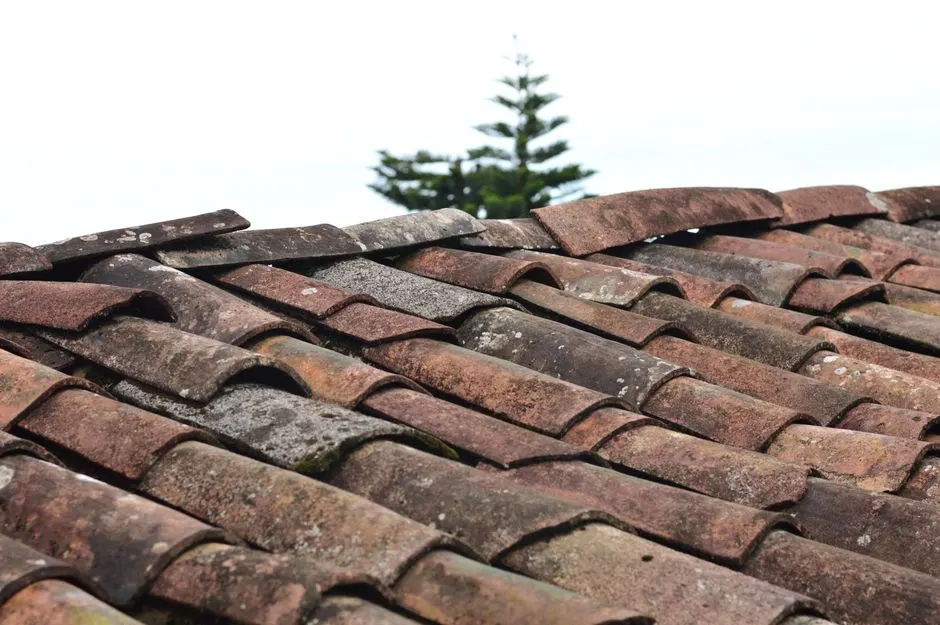 Roof MaintenanceCleaning pairs with a maintenance visit: we clear the moss, then inspect flashing, shingles, and fasteners so nothing small turns into a leak.Explore →
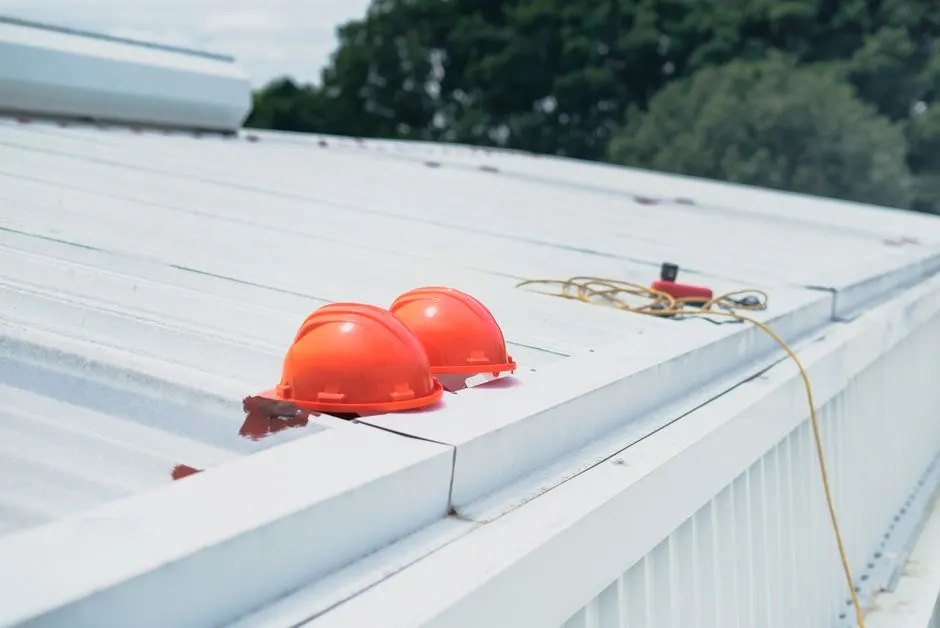 Roof InspectionA deeper diagnostic than a cleaning visit, including attic and moisture checks. We recommend an inspection when a cleaning report flags a structural concern.Explore →
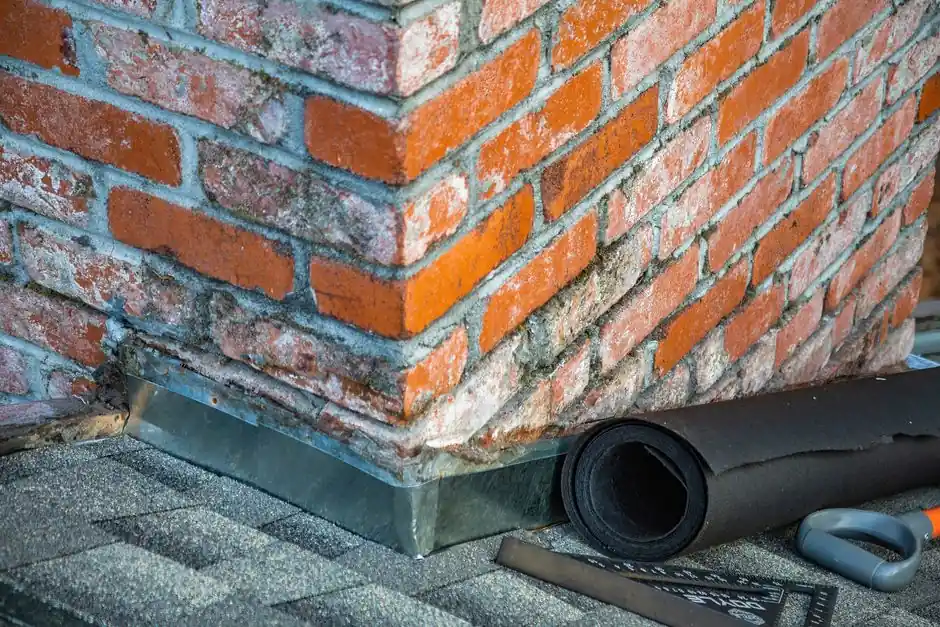 Roof RepairTargeted repairs for leaks, missing shingles, and flashing failure. Many repairs start as something we spotted during a cleaning visit.Explore →
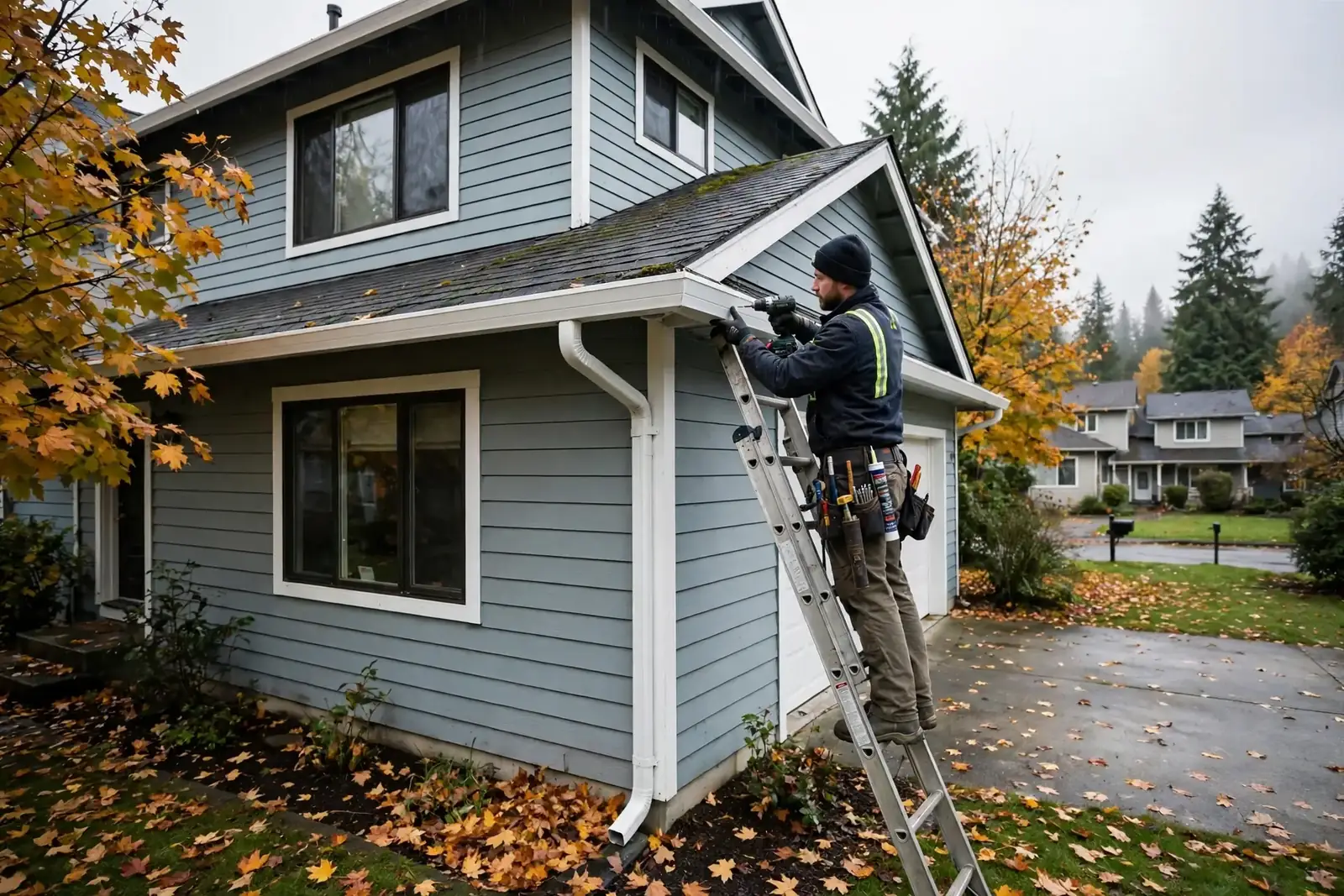 Gutter InstallationClean gutters matter only if the gutters themselves are sound. If yours sag, leak at the seams, or dump water at the foundation, a new seamless run is the fix.Explore →
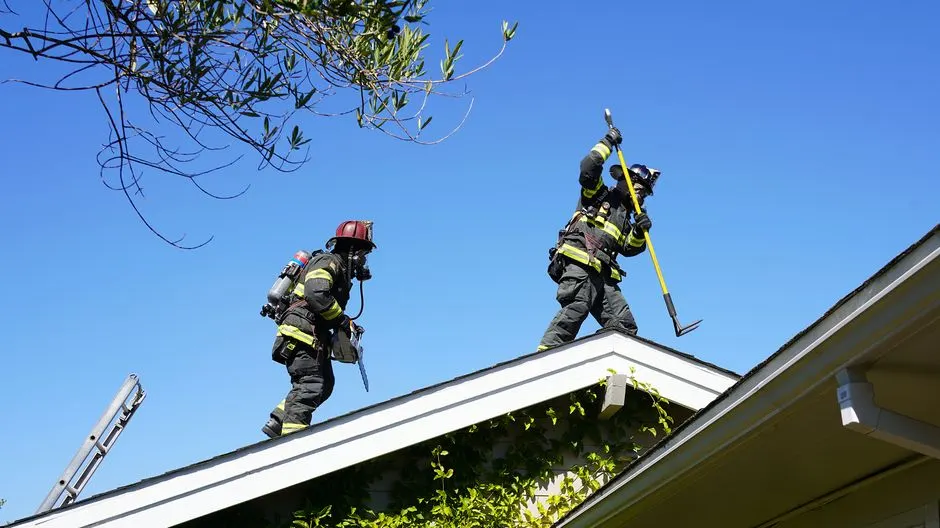 Residential RoofingOur residential roof cleaning Washington service is built for single-family homes, from Issaquah ranches to Bellevue two-stories.Explore →
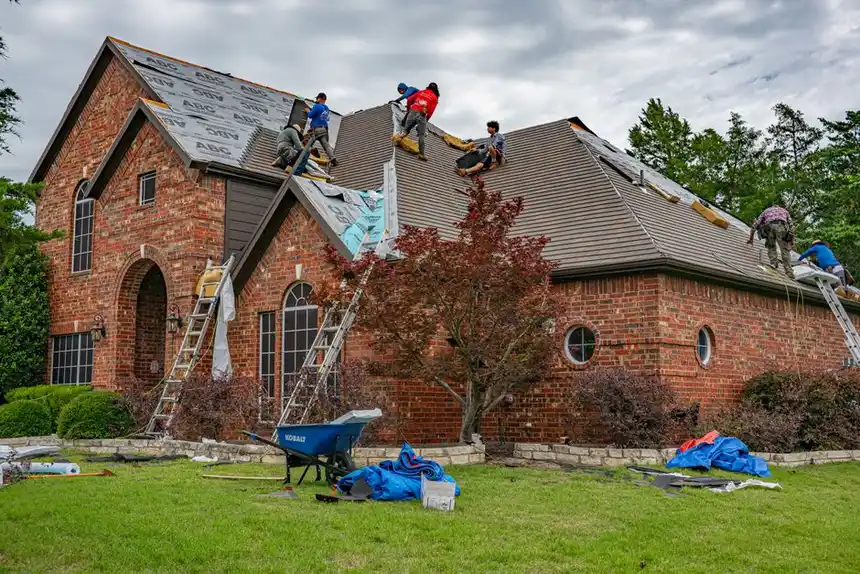 Roof ReplacementWhen a roof is beyond cleaning, we install new asphalt shingle, metal, or TPO systems to manufacturer spec. A cleaning history makes the replacement quote more accurate.Explore →
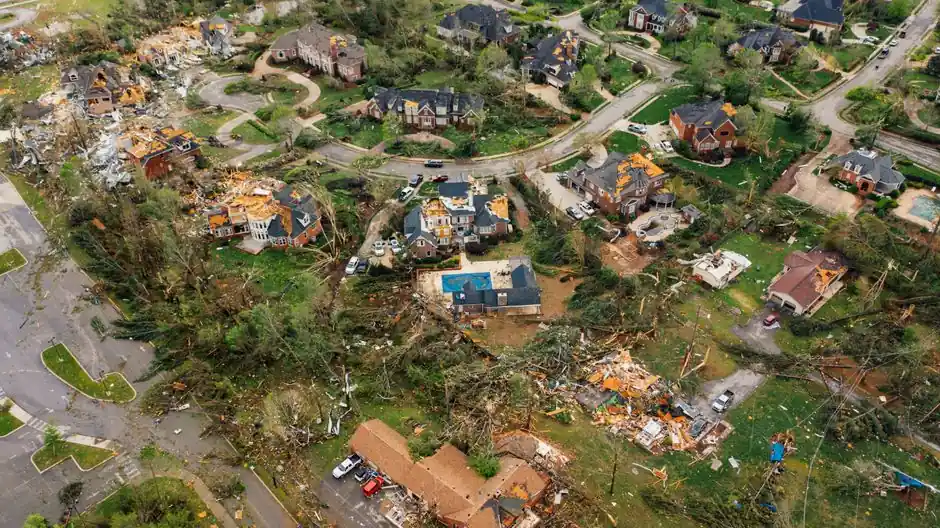 Storm Damage Roof RepairWind and rain damage repair, from blown-off shingles to lifted flashing. A clean roof survives storms with less damage, and our crews document everything for insurance.Explore →
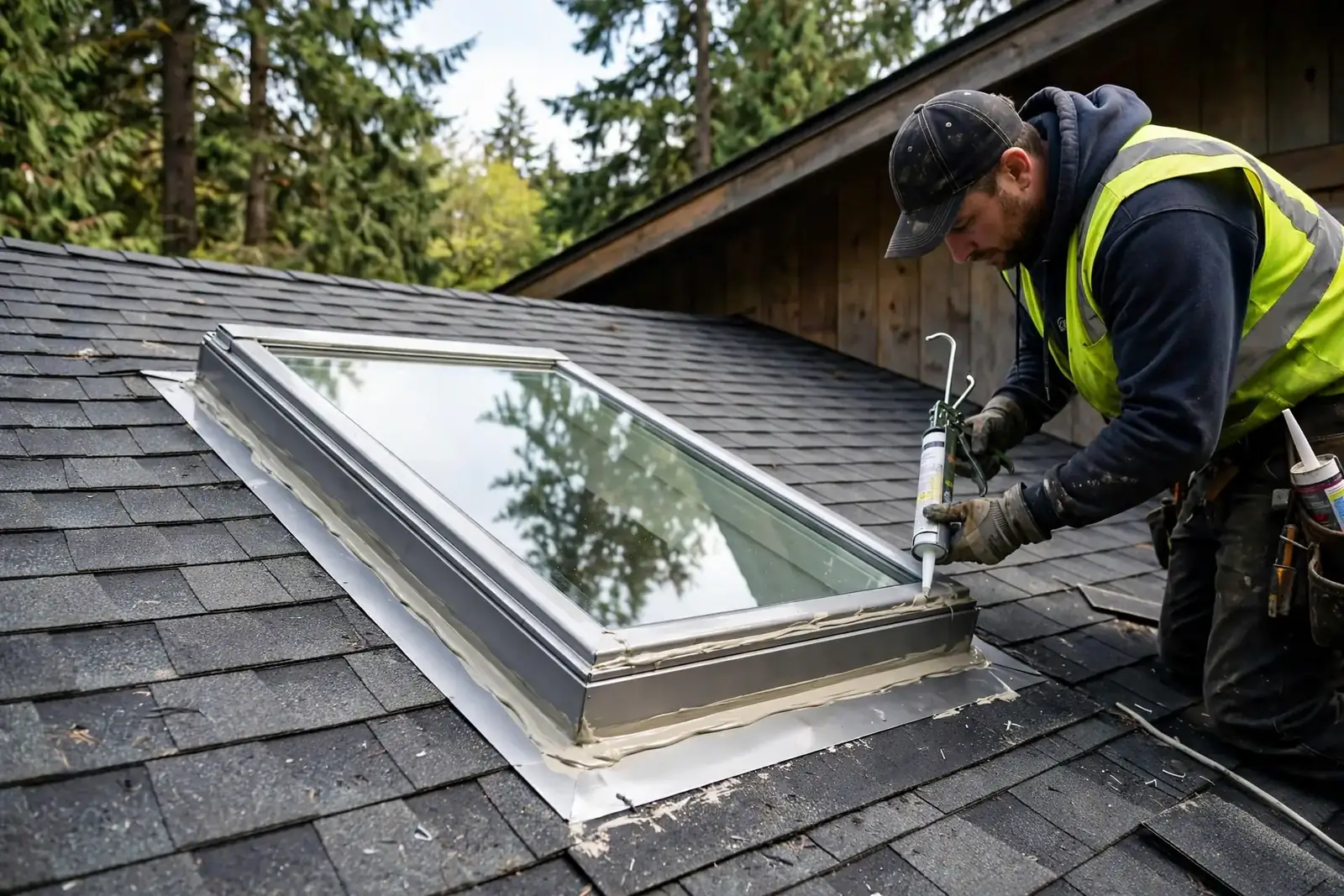 Skylight InstallationSkylight flashing is one of the first places moss and debris cause leaks. A cleaning visit is the right time to check the flashing around every skylight.Explore →
Fall is the right season to get your roof cleaned. We give you a clear price before we climb, and we treat the moss so it stays gone longer. Call our team and get your roof ready for the wet season.
Schedule Cleaning +18325202787 →Call us to schedule a consultation. Our phone line is answered during business hours for leaks, storm damage and emergency tarp-overs, and regular estimates get scheduled within one business day. Tell us your address and what the roof is doing, and we will get a crew out to take a look.