How to Find and Fix Roof Leaks Before They Spread
Learn how to find and fix roof leaks before they spread in Washington. We cover detection, repair costs, and when to call a professional.
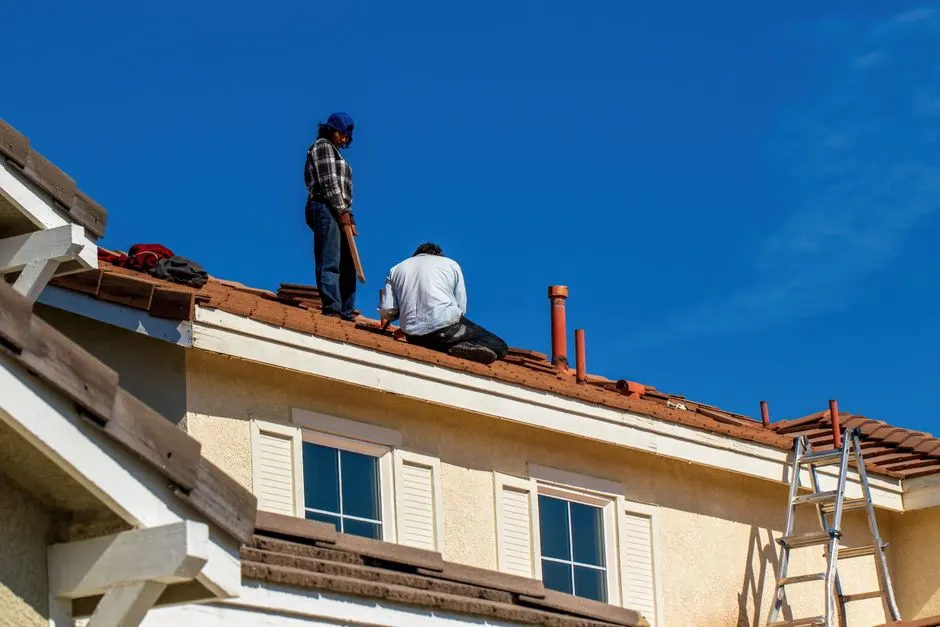
You can find a roof leak by checking your attic for water stains, then inspecting the roof surface for damaged flashing, missing shingles, or cracked sealant. Fixing it means repairing the entry point and sealing it properly. This guide covers how to find and fix roof leaks before they spread, including detection methods, repair options, costs, and when to call a professional.
We see it every week: a homeowner notices a small water stain on the ceiling, ignores it for a few months, and then a minor leak turns into rotted decking and a costly repair. In Washington, where we get 38 inches of rain a year and frequent freeze-thaw cycles, roof leaks are almost inevitable. The key is catching them early.
Why You Need to Find Roof Leaks Early
Finding roof leaks early in Washington prevents structural damage, mold growth, and expensive repairs. A small leak can rot roof sheathing in as little as six months, and mold can start growing within 48 hours of continuous moisture. The earlier you act, the less you pay.
Water is sneaky. It travels along rafters and insulation before dripping onto your ceiling, so the stain you see might be 10 feet away from the actual entry point. That's why a systematic approach to detection matters.
We've seen leaks that started as a pinhole in flashing and ended up destroying an entire ceiling. The difference between a small fix and a major repair is often just a few months of neglect.
How Do I Find a Roof Leak in Washington?
To find a roof leak in Washington, start in the attic on a rainy day and trace water back to its source. Look for dark stains, damp insulation, or mold. If the attic is dry, inspect the roof surface for damaged flashing, missing shingles, or cracked pipe boots.
Here's the step-by-step method our technicians use:
- Check the attic first. On a rainy day, go into the attic with a flashlight. Look for water streaks on the underside of the roof deck, damp insulation, or dark spots on rafters. Water follows gravity, so the entry point is usually uphill from the stain.
- Inspect the roof surface. From the ground with binoculars, or safely on the roof, check for missing shingles, cracked flashing, rusted nails, or damaged pipe boots. Pay close attention to valleys, chimneys, and vents.
- Test with a hose. If you can't find the leak visually, have a helper spray water on suspect areas while you watch from the attic. Start low and work up. This method works best on a dry day.
- Check common leak points. In Washington, the usual suspects are chimney flashing, roof vents, skylights, and valleys where two roof planes meet. These areas take the brunt of our wind-driven rain.
If you're not comfortable on a roof, or if the leak is hard to pinpoint, a roof inspection in Washington from a professional is worth the cost. We use moisture meters and infrared cameras to find hidden leaks fast.
For homeowners in areas like roofing in Seattle, where older homes often have original 1920s craftsmanship and aging underlayment, leaks can be especially tricky to trace. The same goes for newer construction in roofing in Bellevue, where complex rooflines create more opportunities for water intrusion.
How to Fix Roof Leaks in Washington
To fix roof leaks in Washington, you need to repair the entry point and ensure proper drainage. Small issues like a cracked pipe boot or missing shingle can be DIY, but damaged flashing or widespread deterioration requires a professional.
Here are the most common repairs and how we handle them:
- Cracked pipe boot: Replace the rubber boot around plumbing vents. Cost: quoted after inspection. This is a common leak source on older roofs.
- Damaged flashing: Reseal or replace metal flashing around chimneys, walls, and skylights. Cost: quoted after inspection. Improper flashing causes 30% of all roof leaks.
- Missing shingles: Replace individual shingles and seal the underlying area. Cost: quoted after inspection. If more than 20% of shingles are damaged, consider a full roof replacement in Washington.
- Valley leaks: Repair or replace valley flashing. Cost: quoted after inspection. Valleys channel the most water, so they fail first.
For temporary fixes, you can use roofing cement or a tar patch, but these are band-aids. They might hold for a few months, but they won't solve the underlying problem. We always recommend a permanent repair.
If the leak is severe, or if you have a flat roof, you may need a professional. We offer roof repair in Washington with a focus on long-term solutions, not quick patches.
DIY Roof Leak Repair vs Professional in Washington
DIY roof leak repair in Washington works for simple, accessible issues like a missing shingle or a cracked vent boot. But if the leak involves flashing, valleys, or roof penetrations, or if you're not comfortable on a ladder, hire a professional.
Here's a quick comparison:
- DIY: Saves money upfront, but risky. You might miss the actual leak source, void your roof warranty, or get injured. Roofing is the second most dangerous trade in the U.S.
- Professional: Costs more but includes proper diagnosis, quality materials, and a workmanship warranty. Our repairs include a 2-year workmanship warranty.
We've fixed countless DIY attempts gone wrong. Homeowners often seal the wrong spot, and the leak continues. A professional roof maintenance in Washington visit can also catch small issues before they become leaks.
If you're in a region with heavy snowfall, like roofing in Spokane, ice dams are a major cause of leaks. DIY ice dam removal can damage shingles. We use steamers to safely remove ice and prevent future dams.
Roof Leak Repair in Washington
Roof leak repair in Washington depends on the leak's location, roof pitch, and material. Emergency repairs or those requiring extensive flashing work cost more.
Here's a breakdown of common repair types in Washington:
- Minor repair (pipe boot, single shingle)
- Moderate repair (flashing, valley)
- Major repair (multiple leaks, rotted decking)
- Emergency call-out (after hours)
Scope and pricing depend on your roof's condition, pitch, and access. If you're in Eastern Washington, like roofing in Yakima, roofs face less rain and simpler designs.
We provide a written estimate before any work begins. No surprises.
How to Prevent Roof Leaks in Washington
To prevent roof leaks in Washington, schedule annual inspections, keep gutters clean, and address small damage immediately. Our climate demands proactive maintenance-waiting for a leak is a recipe for expensive repairs.
Here's what we recommend:
- Inspect twice a year: Spring and fall. Look for loose flashing, cracked sealant, and worn pipe boots.
- Clean gutters at least twice a year: Clogged gutters cause water to back up under shingles. In heavy tree areas, clean them quarterly.
- Trim overhanging branches: They scrape shingles and drop debris that traps moisture.
- Check attic ventilation: Proper ventilation prevents condensation and ice dams.
- After major storms: Inspect for missing shingles or dented flashing. We offer storm damage roof repair in Washington if you find damage.
For homeowners in roofing in Tacoma, where moss growth is a constant battle, we recommend zinc strips or regular moss removal. Moss holds moisture against shingles and accelerates deterioration.
If you have a historic home, like many in roofing in Everett, you may need specialized care. Older roofs often have delicate materials that require gentle cleaning and repair techniques.
Common Mistakes to Avoid
Homeowners often make these mistakes when dealing with roof leaks:
- Sealing the wrong spot: Water travels, so the leak entry point is rarely directly above the ceiling stain.
- Using too much tar: Gooping on roofing cement can trap moisture and cause rot. Use it sparingly and only as a temporary fix.
- Ignoring attic ventilation: Poor ventilation leads to condensation, which looks like a leak but isn't.
- Walking on a wet roof: Extremely dangerous. Wet shingles are slippery. Wait for a dry day or call a pro.
- Not checking flashing: Flashing is the #1 leak source. If you don't inspect it, you're missing the most likely culprit.
We've seen homeowners spend hundreds on DIY fixes that don't work. A professional diagnosis saves time and money.
When to Call a Professional
Call a professional if you can't find the leak, if it's in a hard-to-reach area, or if you see signs of structural damage like sagging ceilings or mold. We handle all types of leaks, from simple to complex.
At washington roofing solution, we've been fixing roofs across Washington for over 15 years. Our team is licensed, insured, and trained to find and fix leaks fast. We offer consultations and stand behind our work.
If you're dealing with a leak right now, don't wait. Water damage compounds daily. Call us at +18325202787 for prompt service.
Frequently Asked Questions
How do I find a roof leak in Washington?
Start in the attic on a rainy day and trace water back to its source. Check for stains, damp insulation, or mold. If the attic is dry, inspect the roof surface for damaged flashing, missing shingles, or cracked pipe boots. A professional roof inspection in Washington uses moisture meters and infrared cameras to pinpoint hidden leaks.
Can I fix a roof leak myself in Washington?
You can fix simple leaks like a cracked pipe boot or missing shingle if you're comfortable on a roof. But leaks involving flashing, valleys, or roof penetrations are best left to a professional. DIY mistakes can void your warranty and lead to bigger problems. In Washington's wet climate, a proper repair is critical.
How much does roof leak repair cost in Washington?
Roof leak repair in Washington depends on the leak's location and complexity. Minor repairs are simpler; major repairs with rotted decking take more work. Emergency call-outs may carry an additional charge. We provide a written estimate before any work begins.
What causes roof leaks in Washington?
Common causes include damaged flashing (30% of leaks), cracked pipe boots, missing shingles, and clogged gutters. Washington's heavy rain and freeze-thaw cycles accelerate wear. Moss growth, especially in Western Washington, holds moisture against shingles and causes deterioration. Ice dams in Eastern Washington also force water under shingles.
How can I prevent roof leaks in Washington?
Schedule annual roof inspections, clean gutters at least twice a year, trim overhanging branches, and address small damage immediately. After major storms, check for missing shingles or dented flashing. Proper attic ventilation prevents condensation and ice dams. Proactive maintenance is key in our climate.
Get Help with Roofing in Washington
If you're dealing with a roof leak, don't wait. We'll find the source, fix it right, and make sure it doesn't come back. Call washington roofing solution at +18325202787 for fast, reliable service across Washington.