Statewide crews, code-correct work, warrantied materials

Roof Installation in Washington built for real weather

Roof installation in Washington means building a roof that survives wet winters, wind off the coast, and freeze-thaw cycles east of the Cascades. We install asphalt shingles, metal roofing panels, and flat membrane systems on homes and commercial buildings statewide, handling tear-off, decking repair, flashing, and permits. If you need a new roof installation Washington homeowners can count on, we walk the roof, measure it, and give you a straight number before we start.

↗
Fast online booking

Request service today

Tell us what is happening. Our local team will confirm your visit shortly.

No spam. No obligation. Just practical help.
Thanks — we'll call shortly to confirm your visit.
Roof Installation you can count on
Careful work. Honest options.
About this service

What roof installation in Washington actually involves

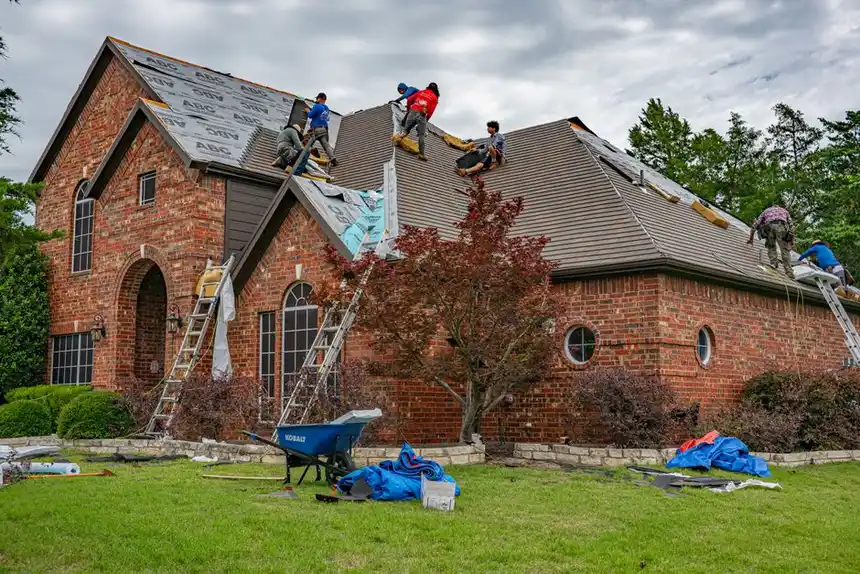
Roof installation in Washington is the full tear-off and rebuild of your roof system: stripping old shingles or membrane, inspecting and replacing rotten decking, laying ice and water shield at the eaves and valleys, then setting underlayment, flashing, and the finished surface. We install asphalt shingles from GAF, Owens Corning, and Malarkey Roofing, plus standing-seam metal roofing panels and TPO membrane for low-slope sections. Every job ends with ridge vents set, roofing screws torqued, and the yard swept with a leaf blower and magnet.

Washington roofs take a beating that roofs in dry states never see. West of the mountains you get 35 to 40 inches of rain a year, moss growth in shaded valleys, and clogged gutters that back water under the shingles. East of the Cascades you get hail damage, wind damage, and ice dams at the eaves. That is why we spec different systems by region instead of selling one shingle everywhere. If you are pricing a new roof installation Washington-wide, the material choice matters as much as the labor.

  • ✓ Built for wet winters
  • ✓ Straight 2026 pricing
  • ✓ Warranty that transfers
  • ✓ Clean site, fast close-out
What's included

What our roof installation includes

Every installation is a full system, not just shingles. The price covers tear-off, disposal, decking inspection, underlayment, flashing, ventilation, permits, and cleanup. Upgrades like upgraded impact-rated shingles, added attic ventilation, or gutter guards are quoted separately so you can decide.

✓

Full tear-off and disposal

We strip every layer down to the deck, load it into dumpsters, and haul it off. No dumpster sitting in your driveway for a week, and no nails left in the lawn. Two magnetic sweeps are standard on every job.

✓

Decking inspection and repair

Every rafter bay gets checked for rot, delamination, and soft spots. We replace damaged sheathing with matched thickness material and re-nail to current code before any underlayment goes down.

✓

Ice and water shield

We run ice and water shield at all eaves, valleys, and penetrations, minimum 6 feet up from the eave on west-side homes. This is the layer that stops ice dams and wind-driven rain from reaching your ceiling.

✓

Flashing and ventilation

New step flashing, counter-flashing, pipe boots, and ridge vents are included. Proper attic ventilation keeps the deck dry and extends shingle life, so we size intake and exhaust vents to the roof area.

✓

Permit and inspection

We pull the local re-roof permit, post it on site, and meet the inspector. You get the signed-off permit and manufacturer warranty registration in your email when the job closes.

✓

Final cleanup and walkthrough

Ridge caps set, penetrations sealed, gutters cleared of debris, and a walkthrough with you before we leave. We point out what we installed, where the warranty paperwork lives, and how to maintain it.

How it works

How our roof installation process runs

01

Inspection and measure

We walk the roof, check decking from the attic where accessible, and measure every plane, valley, and penetration. You get photos of problem areas, a material recommendation for your region, and a written scope within 24 hours. This visit takes 45 to 90 minutes.

02

Permits and scheduling

We pull the local roof installation permit, order material, and lock your date. Most Washington jurisdictions issue residential re-roof permits in 3 to 10 business days. You get a start date, a crew lead name, and a number to call if anything changes.

03

Tear-off and decking

The crew strips the old roof down to the deck, hauls it off in dumpsters, and replaces any rotten sheathing. We use pry bars and shingle cutters to protect the fascia, and we check every rafter bay for soft spots before new material goes down.

04

Dry-in and installation

Ice and water shield goes at the eaves and valleys, then roofing felt or synthetic underlayment across the field. Shingles or metal panels go on with a roofing nail gun set to the manufacturer's depth, chalk lines keep courses straight, and flashing is custom-bent at every wall and chimney.

05

Final inspection and cleanup

We install ridge vents, seal penetrations, and run a water test on problem areas. Then two magnetic sweeps, a leaf blower pass on the driveway and beds, and a walkthrough with you. Your workmanship warranty paperwork is emailed the same week.

Tools & methods

Tools and methods we use

Purpose-built equipment, used by trained technicians — so the job is done accurately the first time.

Roofing nail gun

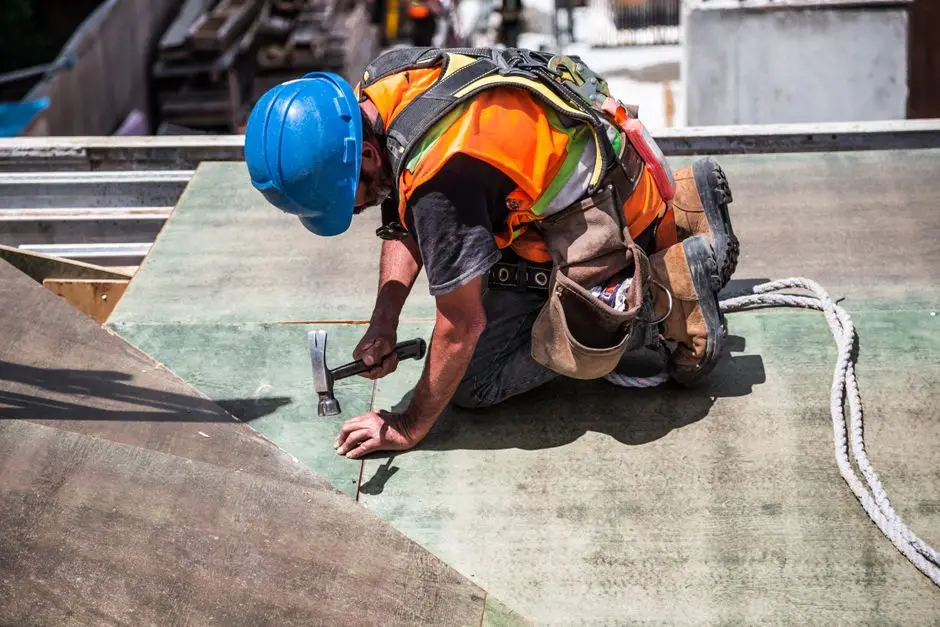
Sets shingle nails to the manufacturer's specified depth and angle. We calibrate pressure per material so nails seat flush without cutting into the shingle mat.

Roof safety harness and ladder stabilizer

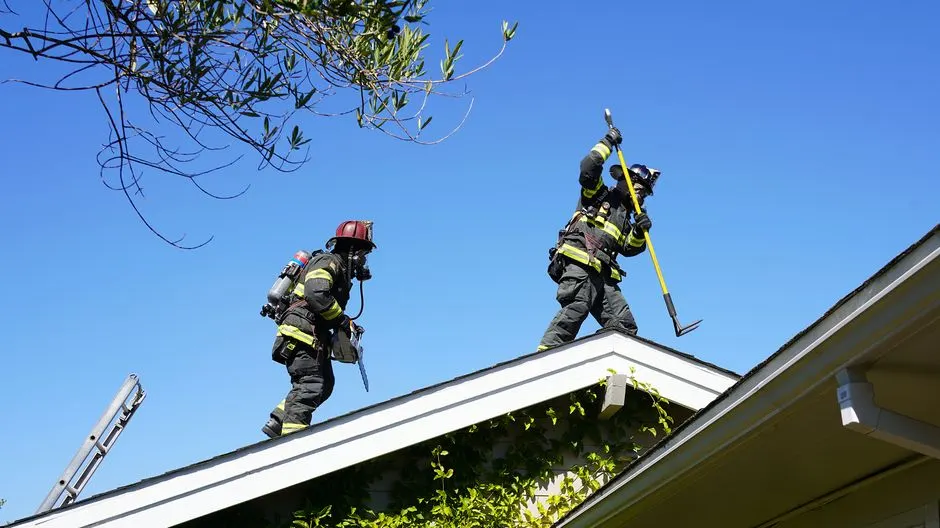
OSHA-compliant fall protection on every pitch above 4/12, plus stabilizers that keep ladders off gutters and prevent fascia damage.

Shingle cutter and pry bar

Clean cuts at valleys, hips, and rake edges, and controlled tear-off that protects the fascia and drip edge from damage during removal.

Chalk line and tape measure

Keeps shingle courses straight across long runs and confirms exposure per manufacturer spec, which is what makes the warranty valid.

Leaf blower and magnetic sweeps

Final cleanup pass on the roof, driveway, and landscaping, followed by two magnetic sweeps to catch every stray roofing nail.

Real results

Before and after.

Seattle craftsman tear-off and rebuild

Before

A 1926 Ballard craftsman with two layers of worn 3-tab shingles, moss across the north slope, and three soft spots in the decking. The homeowner had ceiling stains in two rooms and a leaking chimney flashing.

After

We stripped both layers, replaced four sheets of sheathing, installed new ice and water shield, and set architectural shingles with zinc strips. The leak stopped immediately, and the attic stayed dry through the next two winters.

Richland hail damage replacement

Before

A 2004 ranch home with hail-bruised shingles and granule loss across the south and west planes. The insurance adjuster initially approved only a partial repair, which would have left mismatched shingles and a voided warranty.

After

We documented every impact point with photos, wrote a supplement, and got the claim approved for a full replacement. New Class 4 impact-rated shingles went on in three days, and the homeowner paid only the deductible.

Bainbridge Island metal roof upgrade

Before

A waterfront home with a failing 20-year-old asphalt roof, rusted flashing, and wind-driven rain leaking around the skylights. The homeowner wanted something that would outlast the next two shingle cycles.

After

We installed standing-seam metal roofing panels with new Velux skylight flashing and snow guards. The roof now carries a 50-year manufacturer warranty, and the skylight leaks stopped on the first rain test.

Problems we solve

Roof problems we solve before they spread

Most Washington roof failures start small and stay hidden until the ceiling stains. Here are the ones we see most and how a proper installation ends them.

Ask a pro →
01

Moss growth lifting shingle edges

We install moss-resistant architectural shingles with zinc strips near the ridge, which release moss-inhibiting ions with every rain. On shaded north slopes we also add copper flashing strips. The result is a roof that stays clean without annual chemical treatments.

↗
02

Ice dams at the eaves

We run ice and water shield a minimum of 6 feet up from the eave, seal every penetration, and balance attic ventilation so the roof deck stays cold. That combination stops the melt-refreeze cycle that causes ice dams.

↗
03

Flashing failure around chimneys and walls

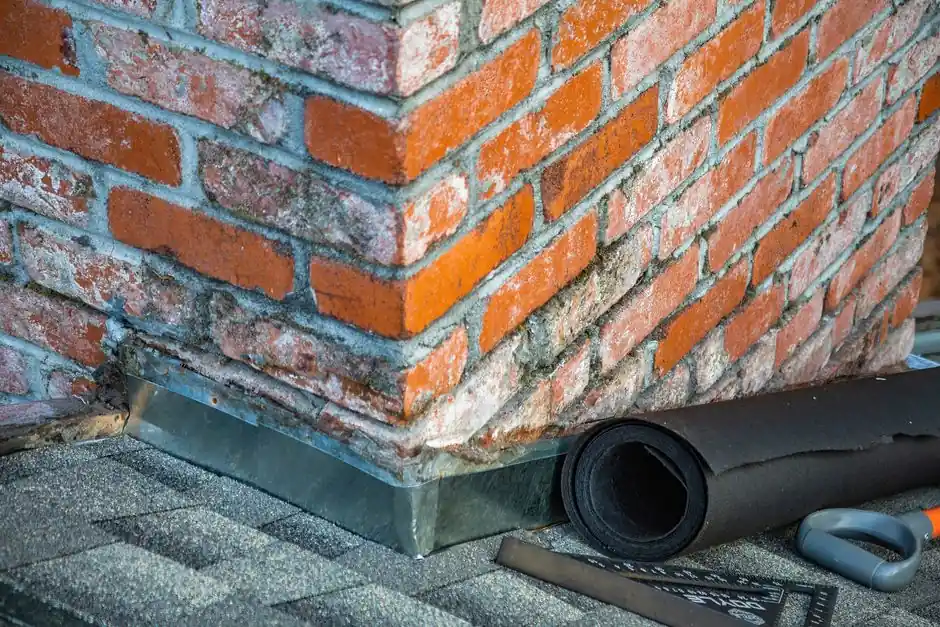
We custom-bend new step flashing and counter-flashing at every wall, chimney, and skylight, then seal with polyurethane caulk rated for freeze-thaw. No reused flashing, no shortcut tar patches.

↗
04

Hail and wind damage on east-side roofs

We install Class 4 impact-rated shingles on hail-prone roofs and re-nail to current wind-uplift code. We also document damage with photos for your insurance claim before any material is removed.

↗
Transparent pricing

What roof installation costs in Washington

Priced by scope — schedule a consultation for a written estimate.

Asphalt shingles sit at the low end, standing-seam metal at the high end, and flat membrane systems fall in between. The number moves with roof size, pitch, how many layers come off, decking condition, and whether you need new flashing or ventilation. We give you a line-item estimate, not a lump sum, so you can see where every dollar goes.

A roof is the one system that protects everything else in your house.

01Roof size and pitch

A 1,500 sq ft ranch at 4/12 pitch is a very different job than a 3,000 sq ft two-story at 10/12. Steep pitches need more safety rigging and slower production, which adds 15 to 30 percent to labor.

03Decking condition

We photograph every bad panel and get your approval before replacing, so there are no surprise line items.

04Material choice

Architectural asphalt shingles are the value pick. Class 4 impact-rated shingles add 10 to 20 percent. Standing-seam metal runs two to three times the cost of asphalt but lasts 40 to 70 years with almost no maintenance.

Proof you can check

Licensed, certified, and reviewed

✓
Washington State Roofing LicenseWashington State Department of Labor & Industries
✓
GAF Master Elite ContractorGAF Materials Corporation
✓
Owens Corning Preferred ContractorOwens Corning
✓
EPA Lead-Safe Certified FirmU.S. Environmental Protection Agency
✓
NRCA MemberNational Roofing Contractors Association
Good questions

Frequently Asked Questions

+18325202787 →

Most single-family homes are torn off and dried in within one day, with final ridge caps and cleanup on day two. Larger homes, steep pitches, or full decking replacement can run three to five days. Weather is the main variable: we do not tear off if rain is forecast within 12 hours, because leaving a Washington home open overnight is how you get ceiling damage.

A full tear-off and replacement in Washington varies by square footage, pitch, layers to remove, decking condition, and material. Asphalt shingles land at the lower end, standing-seam metal at the higher end. Schedule a consultation for a written estimate based on your roof.

Yes, most Washington cities require a roofing permit, with fees varying by city and scope. Some rural counties waive it for like-for-like shingle replacement. Your contractor should pull the permit and schedule the final inspection - never leave that to the homeowner.

For most Puget Sound and coastal homes, architectural asphalt shingles with moss-resistant granules and zinc strips are the best value. East of the Cascades, Class 4 impact-rated shingles handle hail better. Standing-seam metal roofing panels last 40 to 70 years and shed moss and snow, which suits mountain towns and rural properties. Flat and low-slope sections get TPO membrane or EPDM membrane.

Where we deliver this service

Cities we serve for roof installation

Our crews cover the whole state, from the Puget Sound to the Columbia Basin. Whether you need a new roof installation Washington-wide or a single tear-off in a small town, we bring the same materials, permits, and warranty. Here are some of the communities we work in most.

SeattleSteep craftsman and Victorian roofs, moss pressure on shaded slopes, and older decking that often needs sheathing replacement before new shingles go on.View area →YakimaHot summers and freeze-thaw winters. We install Class 4 impact-rated shingles and verify attic ventilation to keep the deck dry in temperature swings.View area →RichlandHail corridor roofing with frequent insurance claims. We document impact damage with photos before tear-off and install impact-rated shingles as standard.View area →WenatcheeHigh snow load and valley freeze-thaw. Ice and water shield runs 6 to 8 feet up from the eave, and we check rafter spacing on every installation.View area →Bainbridge IslandCoastal rain and salt air. We spec corrosion-resistant fasteners, standing-seam metal or premium architectural shingles, and new skylight flashing.View area →EllensburgWind and snow exposure on open lots. We re-nail to higher wind-uplift values and add snow guards on metal roofs to protect gutters and entries.View area →FerndaleHeavy rain and moss. Zinc strips and moss-resistant granules are standard, along with generous ice and water shield at the eaves and valleys.View area →SumnerValley rain and mature tree cover. We clear gutters, trim back overhanging branches, and install moss-resistant shingles on shaded roof planes.View area →KelsoWet river-valley climate with frequent moss growth. We install zinc strips and copper flashing on north slopes to keep the roof clean without chemicals.View area →EphrataDry Basin climate with wind and hail. Class 4 shingles and tight nailing patterns handle the weather, and we verify ventilation for hot summer attics.View area →RitzvilleOpen plains wind exposure. We re-nail to current wind-uplift code, use six nails per shingle in high-wind zones, and seal every ridge and hip cap.View area →
Ready when you are

Get your roof installation in Washington scheduled

Call +1 (832) 520-2787 and we will inspect your roof, measure it, and send a written estimate within 24 hours. Licensed, insured, and warrantied on every job. Storm season books fast, so call today.

Get Consultation +18325202787 →
Request an appointment

Talk to a Washington Roofing Crew

Call us to schedule a consultation. Our phone line is answered during business hours for leaks, storm damage and emergency tarp-overs, and regular estimates get scheduled within one business day. Tell us your address and what the roof is doing, and we will get a crew out to take a look.

Request received — our team will be in touch shortly.
Tap to call+18325202787