Why is my roof sagging and when should I call a roofer
A sagging roof rarely fixes itself. Here's what causes the dip, what it costs to repair in Washington, and the warning signs that mean you should call a roofer now.
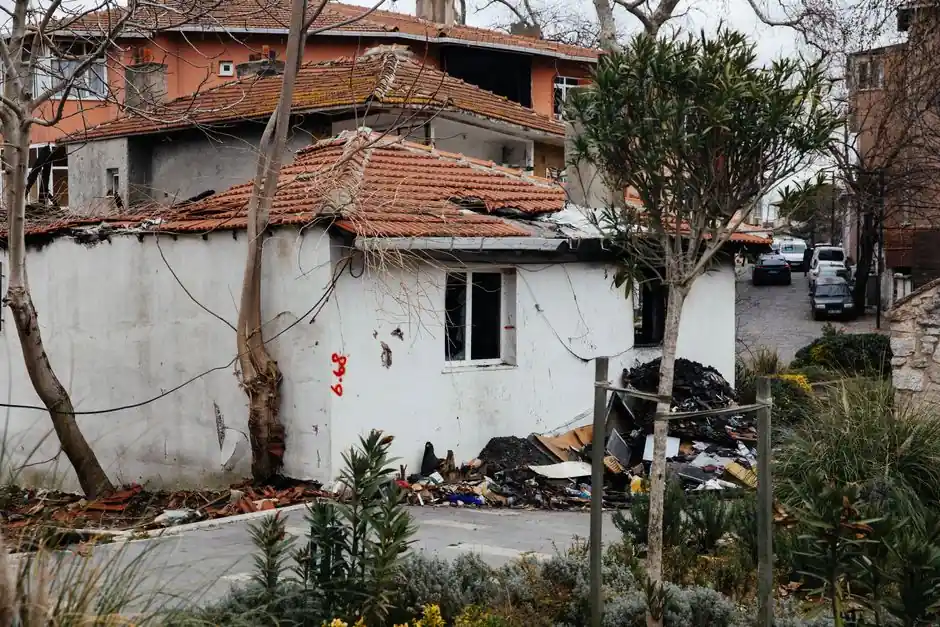
Your roof is sagging because the structure underneath it has lost its ability to carry the load - usually from long-term water intrusion, a failed beam or rafter, or too much weight sitting on the deck. That dip is not cosmetic. It is the visible symptom of a load-path failure, and it will keep getting worse until the underlying cause is fixed. This guide walks through what causes a sagging roof in Washington, how to tell a cosmetic dip from real structural damage, what repair costs look like in 2026, and the exact signs that mean you should stop waiting and call a roofer.
Why is my roof sagging? The short answer
Roof sagging is a structural failure in which the framing, sheathing, or support beams can no longer hold the weight of the roof and everything on it. A roof that sags has already lost some of its load capacity - it is not a warning sign, it is the failure itself.
Three things cause almost every sagging roof we inspect across Washington: water that has been getting in for months or years and rotting the framing, a structural member that was undersized or has cracked, and excess weight from trapped moisture, moss, or debris. In our climate, the first and third usually work together.
If you can see the dip from the street, the problem has been developing for a while. Roofs do not bend overnight. They bend slowly, then all at once.
The most common causes of a sagging roof in Washington
When we pull back the shingles on a sagging roof in Washington, we find the same handful of culprits again and again. Here is what is actually going on up there.
1. Water damage and rotted framing
Water is the number one cause. A small, slow leak around a chimney flashing or a vent boot can drip into the attic for a full rainy season before you notice a stain on the ceiling. By then, the rafter or truss it has been soaking is soft. Soft wood does not hold nails, and it does not carry load. The roof starts to sink along that line.
We see this constantly in homes built before 1980, where the original flashing has finally given up. Once the wood is rotted, patching the leak stops new water but does nothing to restore the sag.
2. Undersized or damaged structural members
Sometimes the framing was never quite enough. A rafter that was undersized for the span, or a ridge beam that has cracked, will bow under snow load or just under its own weight over time. This is common in older homes and in additions where the roofline was tied into the original structure without proper support.
3. Excess weight on the roof
Wet insulation, saturated sheathing, a thick mat of moss, and piled-up debris all add pounds per square foot. A roof designed for a certain load does not care whether the weight is snow or waterlogged moss - it sags the same way. After a heavy snow event, we get calls from homeowners who can suddenly see a dip that was not there in the fall.
4. Poor ventilation
An attic that cannot breathe traps heat and moisture. That moisture condenses on the underside of the roof deck, rots the sheathing from the inside, and slowly weakens the whole assembly. Poor ventilation is a slow-motion cause, but it is one of the most common things we find behind a sag that has no obvious leak.
What causes a sagging roof in Washington's wet climate?
Washington's wet climate accelerates every one of those causes. We get roughly 38 inches of rain a year in the Puget Sound lowlands, and much more on the western slopes - Forks averages over 100 inches. That is a lot of water looking for a way in.
Add our freeze-thaw cycles in the Cascades and eastern Washington, plus the moss that grows on any north-facing roof here, and you have a state where roofs age faster than the national average. A roof that would last 25 years in Arizona may need attention at 15 to 18 years in western Washington.
If you live in an area that gets hammered by wind-driven rain off the Sound, your flashing and underlayment take the worst of it. Homeowners we work with on roofing in Seattle deal with this every winter - the same storm that soaks a roof in Bellevue hits the Seattle side with more wind behind it.
Snow matters too. A single wet snowstorm can drop 10 to 20 pounds per square foot on a roof that is already compromised. If you noticed the sag after a snow event, that is your answer: the roof was already failing, and the snow pushed it over the edge. That is a classic roof sagging after snow Washington scenario, and it usually means the framing needs to be looked at right away.
How to tell a cosmetic dip from structural damage
Not every wavy roofline is a structural emergency. Some dips are cosmetic - a slight bow in a long rafter, or a low spot where two roof planes meet. The difference matters, because one costs a few hundred dollars to monitor and the other can cost five figures to fix.
Here is how we tell them apart during a roof inspection in Washington:
- Look at the ridge line. If the ridge itself is straight and only the field of the roof dips, it is often cosmetic. If the ridge is bowing, the structure is moving.
- Check the attic. A straight, dry rafter with no staining is a good sign. A rafter that is cracked, split, or dark with water stains is not.
- Look for cracks in the drywall. Cracks around ceiling fixtures, or doors and windows that suddenly stick, mean the house is moving - not just the roof.
- Check for daylight. If you can see daylight through the roof boards from inside the attic, water has been getting in.
- Watch it over a season. A dip that has not changed in five years is different from one that got visibly deeper after last winter.
If you are not sure which one you have, get it looked at.
Is a sagging roof dangerous in Washington?
Yes - a sagging roof is dangerous once the structure has lost enough capacity, and the risk is collapse, not just leaks. A roof that fails under snow load or wind can drop a section of framing into the living space below. That is rare, but it happens, and it happens most often to roofs that were ignored for years.
The more common danger is what the sag is doing to the rest of the house. A failing roof pushes on the walls, which cracks drywall, jams doors, and can eventually compromise the whole envelope. Water that gets in rots framing, ruins insulation, and creates mold. We have pulled apart roofs where the sheathing was so soft you could push a screwdriver through it by hand.
If you can see the sag from the ground, or if the ceiling inside is bowing, treat it as urgent. Do not wait for the next snowstorm to find out how much load the roof can still take.
How to fix a sagging roof in Washington
Fixing a sagging roof means fixing the structure, not just the shingles. The right repair depends on what failed, and there are three levels of fix we use.
Level 1: Repair the framing and re-roof the affected area
If the sag is limited to a few rafters or a small section of sheathing, we sister new lumber alongside the damaged members, replace the rotted sheathing, and re-roof that section. This is the least invasive fix and the most common one for a localized sag.
Level 2: Reinforce or replace the ridge and support beams
When the ridge beam or a main support has failed, the fix is bigger. We add structural support, replace the failed beam, and correct the load path. This usually involves opening up the ceiling below or working from the attic, and it is a job for a licensed contractor, not a handyman.
Level 3: Full roof replacement
If the roof is at the end of its life and the framing is compromised across a large area, a roof replacement in Washington is often the smarter spend. You get new framing where it is needed, new sheathing, new underlayment, and new shingles - and you stop paying to patch a roof that is going to keep failing.
Whatever level you need, the sequence is the same: find the water source, fix the structure, then fix the roof surface. Skipping the structure is why so many "roof repairs" fail within a year.
Sagging roof repair cost in Washington
Here is a rough breakdown of what we see:
Those numbers move with roof pitch, how accessible the attic is, and whether we are working in a snow-load zone. A steep roof in the Cascades costs more to work on than a low-slope roof in the Tri-Cities.
Common mistakes homeowners make with a sagging roof
The biggest mistake is waiting. A sagging roof does not heal, and every month you wait, the repair gets bigger and more expensive. Here is what else we see homeowners do wrong.
- Patching the leak and calling it done. Stopping the water is step one. The rotted framing is still rotted.
- Hiring the cheapest bid. If a bid is half of everyone else's, it usually means the contractor is only fixing the surface, not the structure.
- Ignoring the attic. The attic tells you everything. If you have not looked up there in five years, do it before the next rainy season.
- Walking the roof yourself. A compromised roof is the worst place to find out it is compromised. Stay off it.
- Assuming insurance will cover it. Most policies cover sudden damage from a storm or a fallen tree, not long-term rot or wear. If the sag came from years of slow water intrusion, expect to pay for it yourself.
When to call a professional roofer
Call a roofer when you can see the sag from the ground, when the ceiling inside is bowing, when you find cracked or rotted framing in the attic, or when the dip got worse after a storm or a heavy snow. Those are the signs that the structure is failing, and they are not DIY problems.
You should also call if you are not sure. An inspection is cheap insurance against a repair. Our team at washington roofing solution handles sagging roof inspections and structural repairs across the state, and we will tell you straight whether you are looking at a repair, a reinforcement, or a replacement.
If you are in the south Sound, we do a lot of this work on roofing in Tacoma, where the combination of wind-driven rain and older housing stock makes sagging roofs common. If you are east of the mountains, we also handle roofing in Spokane, where snow load is the bigger driver.
Frequently Asked Questions
Why is my roof sagging in Washington?
The most common cause is long-term water intrusion that has rotted the framing, followed by undersized or cracked structural members and excess weight from moss, debris, or trapped moisture. Washington's wet climate speeds up all three. If the sag appeared after a snowstorm, the roof was already failing and the snow load pushed it over.
When should I call a roofer for a sagging roof in Washington?
Call as soon as you can see the sag from the ground, notice a bowing ceiling inside, or find cracked or rotted framing in the attic. Do not wait for the next storm. A roof that has visibly dipped has already lost load capacity, and the repair gets more expensive every month you delay.
How much does sagging roof repair cost in Washington?
Sagging roof repair depends on the cause: a small localized framing repair, ridge beam or support work, or structural repair across a large area. A full roof replacement with framing work is quoted by scope. Schedule a consultation for a written estimate.
Can a sagging roof be fixed in Washington?
Yes, in almost every case. The fix depends on what failed: sistering damaged rafters and re-roofing a section, reinforcing or replacing the ridge beam, or a full replacement if the framing is compromised across a large area. The key is fixing the structure first, then the roof surface.
Is a sagging roof dangerous in Washington?
Yes, once the structure has lost enough capacity. The main risk is collapse under snow or wind load, though that is rare. More common is the damage a failing roof does to the rest of the house - cracked drywall, jammed doors, rotted framing, and mold. Treat a visible sag as urgent.
Get help with roofing in Washington
A sagging roof is a structural problem, and it needs a structural fix. We inspect it, find the cause, and give you a straight answer on whether you need a repair, a reinforcement, or a replacement.
Call washington roofing solution at +1 (832) 520-2787 to schedule your roof inspection.