Moss growth across shaded north slopes
We tear off the affected roof, treat the deck, and install algae-resistant shingles with proper ridge ventilation so the surface dries faster and moss has a harder time returning.
When your roof replacement in Washington can't wait another season, we tear off the old layers, inspect the deck, and install a warrantied system that handles rain, moss, and wind. From Spokane to Bellingham, our crews handle residential and commercial roof replacement with manufacturer-certified materials and a clean, magnet-swept job site. Consultations, honest scopes, and crews who show up when we say we will.
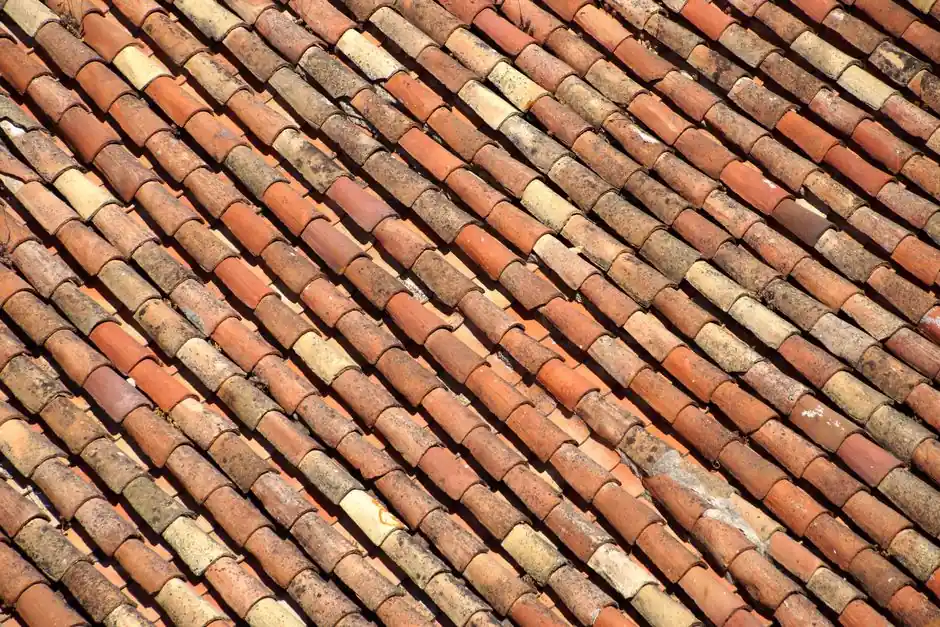
Roof replacement in Washington is the full removal of your existing roofing layers down to the deck, followed by deck inspection, underlayment, ice and water shield, flashing, and a new finished roof system. It is not an overlay. We pull the old shingles or membrane, replace any soft sheathing, and rebuild the water-shedding layers from the deck up so the new roof performs as a system rather than a patch.
Most Washington homes hit replacement because of age, moss growth, or storm damage rather than a single leak. Asphalt shingles here often last 18 to 25 years before granule loss and curling start, and moss speeds that up on shaded north slopes. If you are pricing a full roof replacement near me, we walk the roof, measure the squares, and give you a written scope before any material is ordered.
Every replacement we sell includes the tear-off, the deck inspection, and the water-shedding layers that make the roof a system. Upgrades like metal roofing panels or added ventilation are quoted separately so you can see the cost of each choice.
We remove all existing shingle layers, underlayment, and old flashing, then haul the debris in a staged dumpster. Multiple layers cost more to strip but must come off before a new roof can be installed to manufacturer spec.
Exposed sheathing is checked for soft spots, delamination, and rot. We replace bad decking with new plywood or OSB and photograph the repair before covering it, so the record is there if you sell or claim.
Roofing felt covers the field, and ice and water shield runs along eaves and valleys where water backs up. That layer is what keeps wind-driven rain and ice dams from reaching the deck in a Washington winter.
New flashing goes at walls, chimneys, skylights, and pipe boots, and ridge vents balance intake at the soffits. Correct ventilation keeps attic moisture down and helps the shingle warranty stay valid.
We pull the roofing permit and schedule the inspection with your local jurisdiction. You get the signed-off permit and warranty paperwork at the final walk, which is the documentation insurers and buyers ask for.
We walk the roof, check the deck from the attic where accessible, and measure squares, pitch, and penetrations. You get a written scope with material options and a firm price before we schedule, usually within one visit.
Materials land the day before or the morning of the job. We tarp landscaping, set ladder stabilizers, and stage the dumpster so your driveway stays usable. Crews lay plywood runways to protect the roof surface during tear-off.
The crew strips shingles, underlayment, and flashing with pry bars and shingle cutters, then inspects the sheathing. Soft or delaminated decking gets replaced on the spot, and we photograph the deck before covering it so you see what was done.
Ice and water shield goes at eaves and valleys, roofing felt covers the field, and new flashing is set at walls, chimneys, and skylights. Shingles go down with a roofing nail gun to the manufacturer's nailing pattern, and ridge vents finish the ventilation.
We magnet-sweep the yard and driveway twice, blow out gutters, and haul the debris. Then we walk the roof and ground with you, hand over the warranty paperwork and permit records, and answer questions before we pull out.
Purpose-built equipment, used by trained technicians — so the job is done accurately the first time.
Drives shingle nails to the manufacturer's pattern and depth, which is what keeps the wind warranty valid. Hand-nailing a whole roof is slower and less consistent.
Cuts clean shingle edges at hips and valleys and strips old layers without tearing good decking. The right pry bar saves sheathing that a flat shovel would ruin.
Keeps crews tied off on steep pitches and steadies ladders at the eaves. Safety gear is not optional on a two-story tear-off.
Sets straight courses and confirms square coverage before nailing. Layout errors show up as wavy courses and wasted material.
Clears granules and debris from gutters and landscaping during cleanup, so the job site is clean when we leave.
A 22-year-old roof with two shingle layers, granule loss in the gutters, and soft decking at the valley. The homeowner had patched a ceiling stain twice and was still chasing the leak.
We stripped both layers, replaced four sheets of decking, and installed architectural shingles with new valley flashing and ridge vents. The ceiling stayed dry through the next rain, and the attic temperature dropped noticeably.
Hail had bruised shingles across the whole south slope, and the insurer asked for documentation before approving the claim. The roof was 15 years old and already losing granules.
We met the adjuster on the roof, documented the bruising, and replaced the roof to the approved scope with impact-rated shingles and new underlayment. The homeowner paid the deductible and nothing more.
A small commercial building had seam failures and ponding water on a TPO roof past its service life. Tenants were dealing with ceiling tiles staining after heavy rain.
We phased the replacement around business hours, installed new TPO membrane and drains, and passed inspection without a single tenant day lost. The ponding stopped and the ceiling tiles stayed dry.
Most roofs we replace were failing for a while before the homeowner called. These are the problems that push a repair into a full replacement.
Ask a pro →We tear off the affected roof, treat the deck, and install algae-resistant shingles with proper ridge ventilation so the surface dries faster and moss has a harder time returning.
We document the wind damage for your claim, tarp if rain is coming, and replace the roof when the damage is widespread. If it is isolated, we repair and tell you honestly.
A replacement resets the ice and water shield at eaves and valleys and installs new metal flashing, which is the fix that stops the leak instead of chasing stains each winter.
We open the roof, replace the soft decking, and check the framing before installing the new system. If there is a structural concern, we tell you before the shingles go on.
Priced by scope — schedule a consultation for a written estimate.
The number moves with square footage, pitch, layers to remove, deck condition, and material choice. Metal and low-slope membrane systems sit at the higher end. We price the scope, not the phone call, and we show you where the money goes before you sign anything.
A replacement resets the whole water-shedding system, not just the shingles. That means one scope, one permit, and one warranty instead of repeat repairs that add up to the same money without fixing the roof.
Square footage sets the material quantity, and steep pitches slow the crew and require more safety setup. A steep two-story roof can add 20 to 30 percent to labor over a walkable single-story.
One layer is standard. A second layer adds tear-off time and disposal cost, and some older homes hide three. We confirm layers during the inspection so the estimate is accurate.
Soft or delaminated sheathing gets replaced at a per-sheet price. We photograph the deck before covering it, so you see exactly what was replaced and why.
Architectural asphalt shingles are the value pick. Metal roofing panels and TPO or EPDM membrane systems cost more up front but can last longer, which changes the math over 30 years.
Most Washington roof replacements vary by square footage, pitch, layers to remove, and deck condition. Metal and low-slope membrane systems cost more. We give a written estimate after measuring the roof, not a phone guess.
A standard Washington home takes two to four days from tear-off to final cleanup. Steep pitches, multiple layers, or extensive deck repair can push it to five or six days. Weather matters: we do not tear off a roof we cannot dry in promptly, so a storm can add a day to the schedule.
Insurance covers roof replacement when the damage is from a covered event like hail, wind, or a fallen limb, not from age or wear. Your policy may pay replacement cost or actual cash value, which changes your out-of-pocket. We document damage and meet your adjuster on the roof to support the claim.
Late spring through early fall is the easiest window in Washington, with drier weather and longer days. Winter installs still happen, and we work through them when the forecast allows, but tear-offs are weather-dependent. Scheduling in spring also beats the post-storm rush when crews book out for weeks.
Our roof replacement contractor Washington crews cover the whole state, from the I-5 corridor to the Columbia Basin. Each region gets the spec it needs: moss-resistant systems on the wet side, impact-rated shingles where hail hits, and membrane work on flat commercial roofs. Same scope, same warranty, wherever you are.
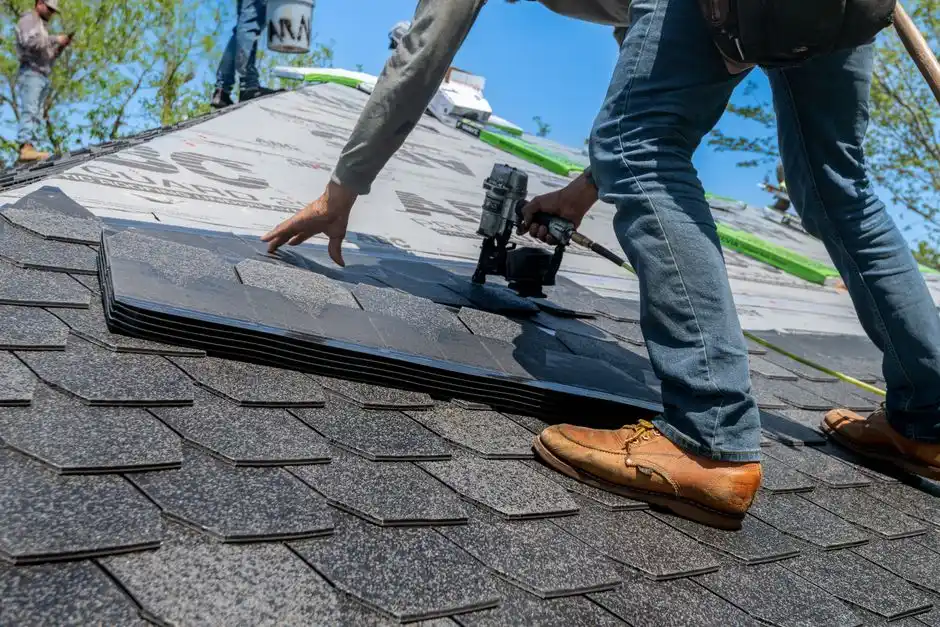 Roof InstallationNew construction or a full rebuild after tear-off uses the same crews and materials as our replacement work. We install shingle, metal, and membrane systems to manufacturer spec so the warranty holds from day one.Explore →
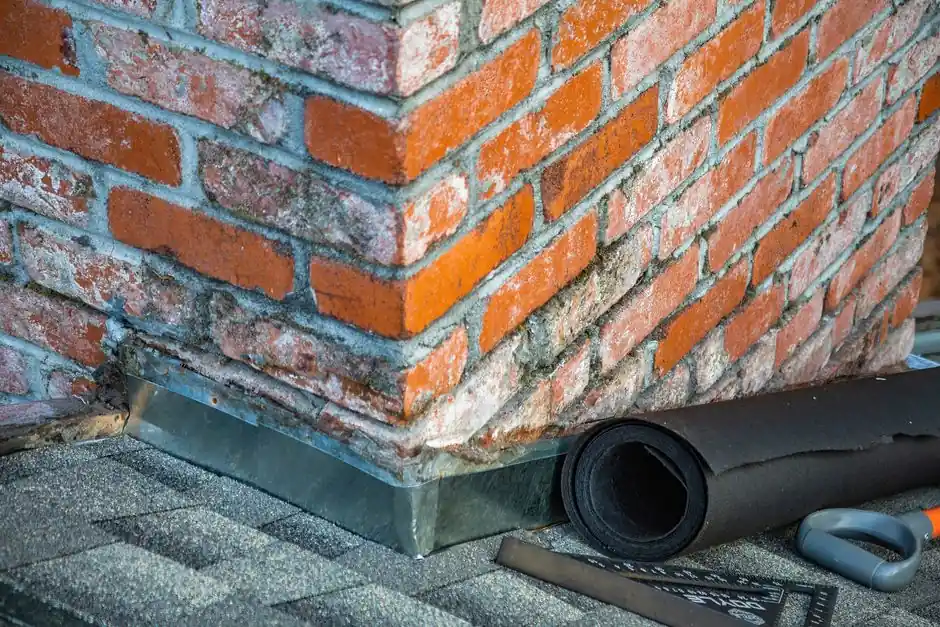 Roof RepairNot every leak needs a new roof. We patch flashing, replace missing shingles, and seal penetrations when the roof has life left, and we tell you honestly when repair is throwing money at a roof that is done.Explore →
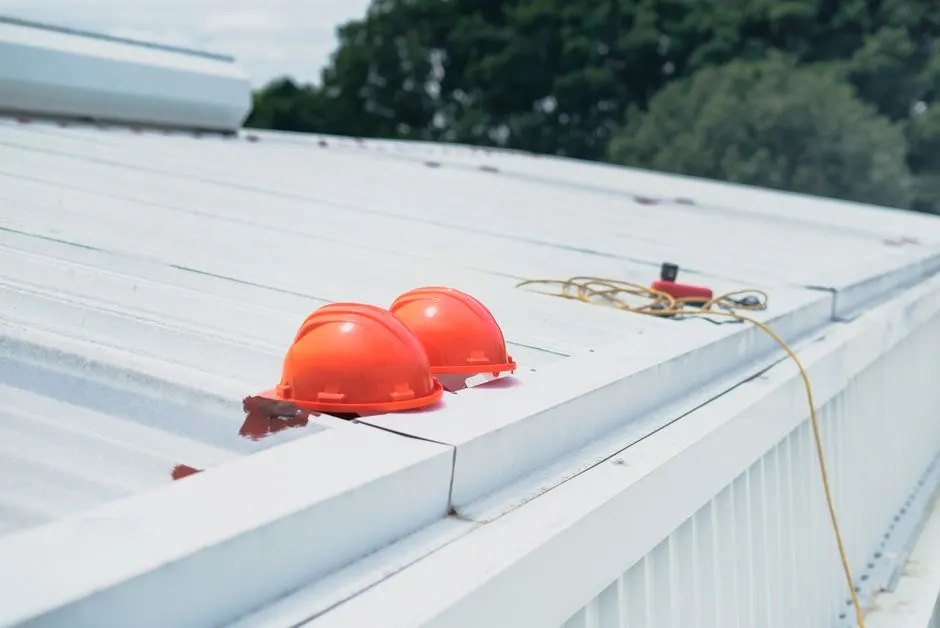 Roof InspectionA pre-replacement inspection documents deck condition, attic ventilation, and flashing details. It is also what we use for insurance claims and real estate transactions, with photos and a written report you can hand to a buyer or adjuster.Explore →
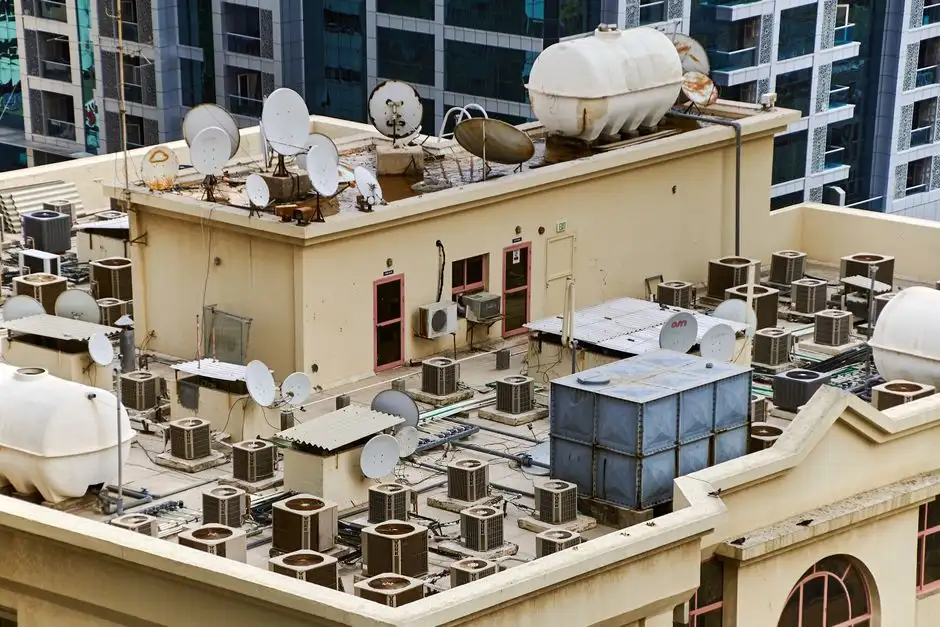 Roof MaintenanceAnnual maintenance clears moss, checks flashing, and clears clogged gutters, which stretches the life of a new roof. On a replaced roof, a maintenance plan keeps the manufacturer warranty valid and catches small issues before they become leaks.Explore →
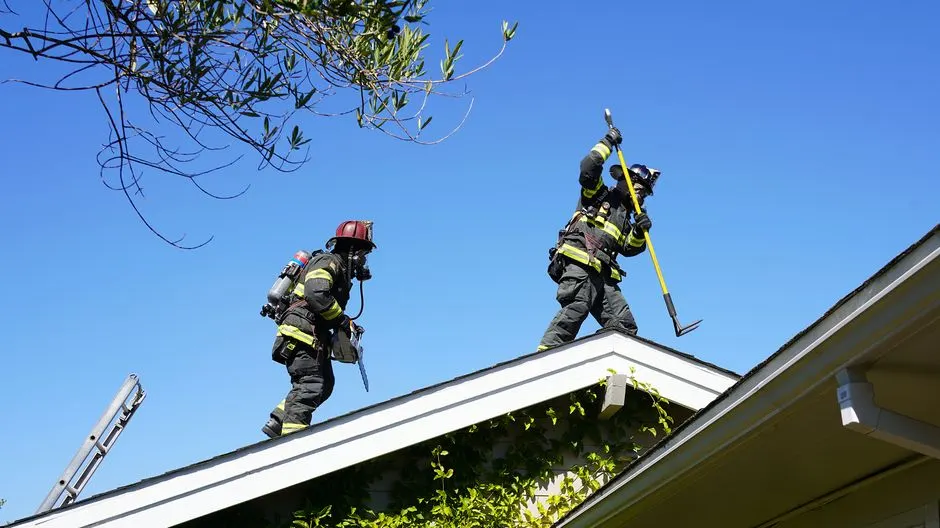 Residential RoofingResidential roof replacement Washington homeowners rely on covers single-family homes, townhomes, and small multi-family buildings. We handle steep pitches, complex rooflines, and the ventilation details that keep attic moisture down.Explore →
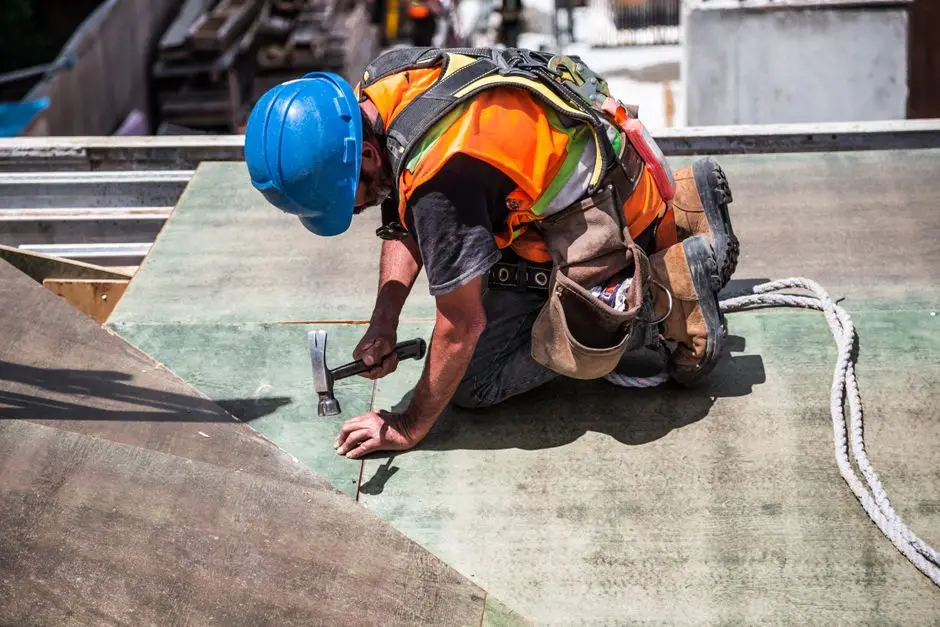 Commercial RoofingCommercial roof replacement Washington property owners need often means TPO or EPDM membrane over flat and low-slope decks. We schedule around business hours and phase the work so your building stays open and dry.Explore →
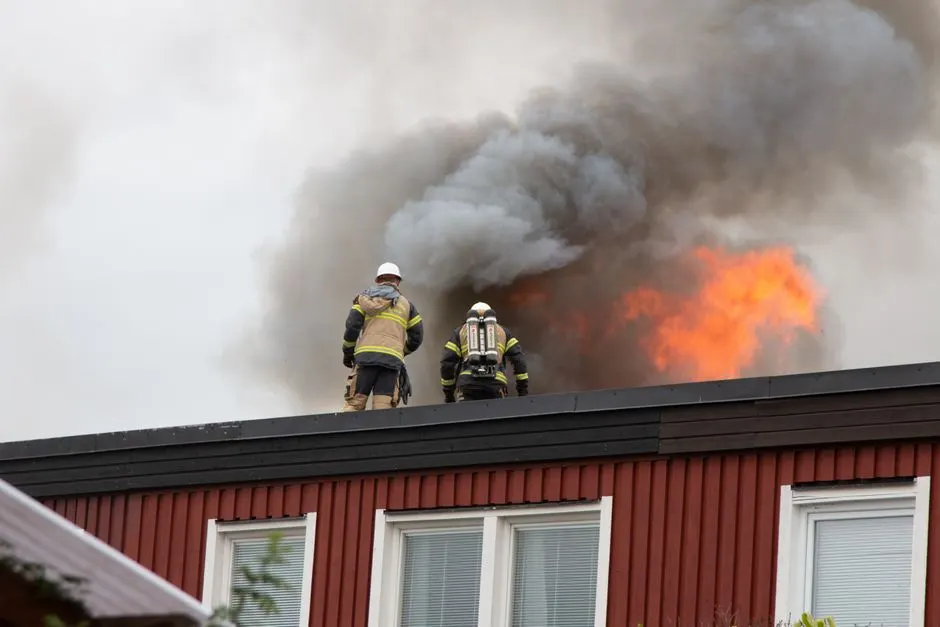 Emergency Roof RepairWhen a storm opens the roof, we tarp and stabilize first, then schedule the replacement. Emergency response keeps water out of the attic and ceilings until the full tear-off can happen, which protects the interior and the claim.Explore →
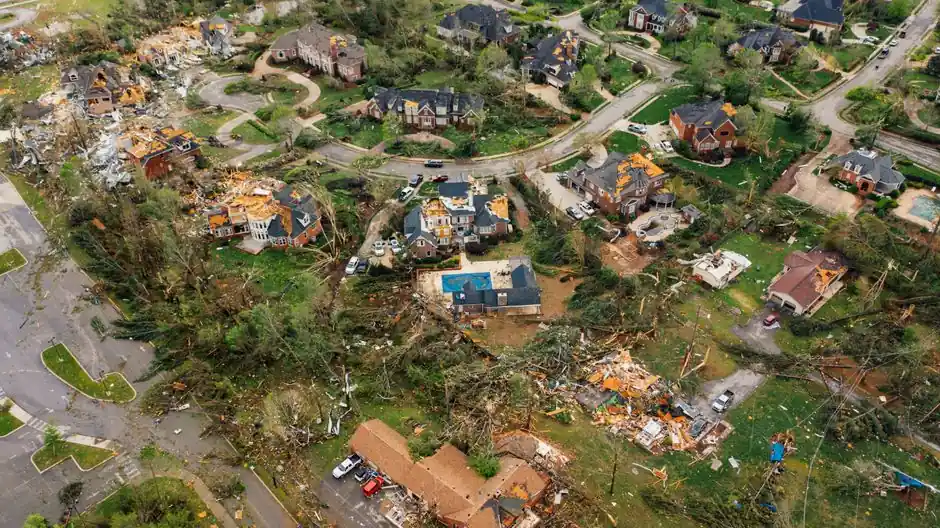 Storm Damage Roof RepairWind-driven rain and fallen limbs leave damage that is not always visible from the ground. We inspect, document, and repair storm damage, and when the damage is widespread we fold it into a full replacement scope for the insurer.Explore →
We measure, scope, and price your replacement with no pressure and no phone guesswork. Call and we will set a time to walk the roof, or ask for a prompt estimate if you are already dealing with a leak.
Get a consultation +18325202787 →Call us to schedule a consultation. Our phone line is answered during business hours for leaks, storm damage and emergency tarp-overs, and regular estimates get scheduled within one business day. Tell us your address and what the roof is doing, and we will get a crew out to take a look.