Roof repair vs roof replacement: how to decide
Repair if the damage is isolated and your roof is under 15 years old; replace if it's past 20 years, leaking in multiple spots, or storm-battered. Here's how we decide in Washington.
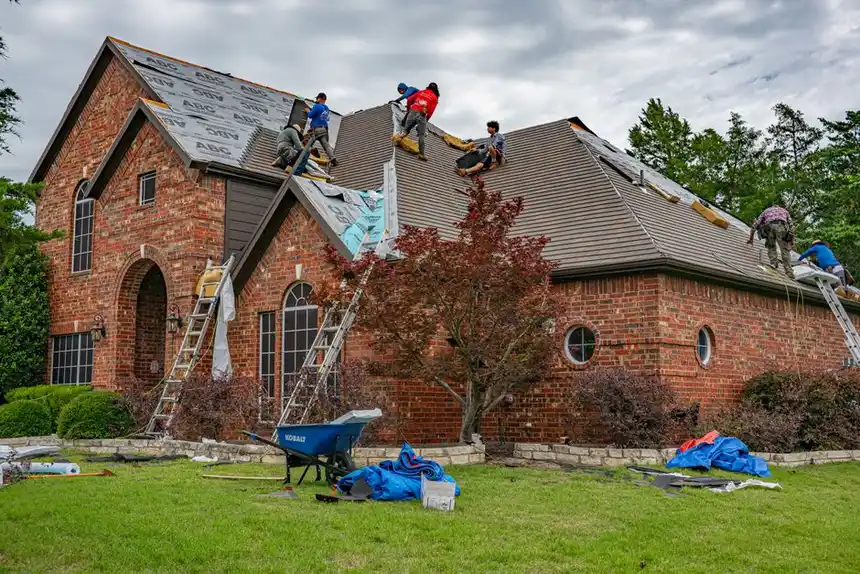
Repair your roof if the damage is isolated to one area, the roof is under 15 years old, and you have no history of repeat leaks. Replace it if the roof is past 20 years, leaking in multiple spots, or showing widespread granule loss, curling shingles, and sagging. The decision comes down to four things: age, damage extent, leak history, and what a repair actually buys you in years.
We run this exact checklist on every roof we look at across Washington, and the answer is rarely as close as homeowners fear. Below we break down the age thresholds, the 2026 cost ranges, how insurance treats repair vs replacement, and the mistakes that cost people thousands.
The short answer: repair or replace?
Roof repair vs roof replacement is a decision that hinges on whether the damage is contained or systemic, and in Washington the wet climate pushes more roofs toward replacement than homeowners expect. A single missing shingle or a cracked flashing boot is a repair. A roof that has been patched three times in five years is telling you something different.
Here is the rule of thumb we use: if the repair costs more than 30% of a full replacement and the roof is over 15 years old, replace it.
For homeowners comparing roof repair in Washington, the honest framing is this: repair buys time, replacement buys decades. Neither is wrong. The mistake is buying time you do not need or replacing a roof that has good years left.
How old should a roof be before replacing in Washington?
Asphalt shingle roofs in Washington last 18 to 25 years on average, with 3-tab shingles landing closer to 18 and architectural shingles reaching 22 to 25. That is shorter than the 25-to-30-year figures you see quoted nationally, and the reason is moisture. Our wet winters, moss growth, and repeated freeze-thaw cycles at the roof edge age shingles faster than dry-climate warranties assume.
Use these age bands as a starting point:
- 0-10 years: Repair almost always. A failure this early is usually installation-related or storm damage, and it is covered or fixable.
- 10-15 years: Repair if the damage is isolated. Start budgeting for replacement within 5-8 years.
- 15-20 years: The gray zone.
- 20+ years: Replace. At this age, repairs are temporary and you are one storm from an emergency.
Metal roofs run 40 to 70 years and tile can exceed 50, so age thresholds shift for those materials. If you are unsure what you have, a roof inspection in Washington will tell you the material, the remaining life, and whether the decking underneath is sound.
When roof repair is the right call
Roof repair is the right call when the damage is localized, the roof has meaningful life left, and the underlying structure is dry. We look for a single point of failure - a cracked pipe boot, a failed valley, a wind-lifted ridge cap - rather than a pattern of failures across the whole plane.
Repair makes sense in these situations:
- One leak, one location, and you can trace it to a specific flashing or penetration.
- The roof is under 15 years old and the shingles still lie flat with granules intact.
- Storm damage is limited to a few shingles or one slope.
- You are selling within 2-3 years and the roof is functionally sound.
A repair also makes sense when the alternative is a full replacement you cannot afford this year. A flashing repair that stops an active leak protects your ceilings and insulation while you save for the bigger job. Just be honest with yourself about the timeline - a patch that buys 18 months is worth it; a patch that buys 6 months is not.
When roof replacement is the right call
Roof replacement is the right call when the damage is widespread, the roof is near or past the end of its service life, or repairs keep landing on different parts of the roof. Multiple leaks in multiple locations is the clearest signal - it means the shingle field itself has failed, not one detail.
Replace when you see any of these:
- Shingles curling, cracking, or losing granules across more than 30% of the roof.
- Sagging rooflines or a spongy feel underfoot, which points to decking damage.
- Three or more repairs in the last five years.
- Moss or algae covering large sections, which traps moisture against the shingle.
- Daylight visible through the roof boards in the attic.
At that point the math favors a new roof, and you get the added benefit of modern underlayment and ventilation that the original roof never had. Homeowners weighing roof replacement in Washington should ask for a ventilation assessment as part of the bid - poor attic ventilation is a leading cause of premature shingle failure here.
Roof repair cost vs roof replacement cost in Washington
Those are 2026 ranges for the Puget Sound region; eastern Washington runs 10-15% lower on labor but sees more hail and wind damage.
Here is how the numbers break down for a typical 1,800-square-foot home:
The comparison that matters is cost per year of service. Run both numbers before you decide. For a closer look at replacement pricing, our roof replacement cost Washington breakdown covers material and labor line by line.
Roof repair vs replacement insurance in Washington
Insurance usually covers roof repair or replacement when the damage is caused by a sudden event - wind, hail, falling limbs - and usually does not cover wear and tear, age, or poor maintenance. That distinction drives most claim decisions, and it is the single biggest source of confusion we see.
If a storm took off shingles, document it before you touch anything. Photograph the damage, keep the fallen shingles, and note the date. Most policies require you to file within one year of the loss, and Washington carriers increasingly send adjusters who will look at roof age before approving a full replacement. A roof over 20 years old may be settled on an actual cash value basis rather than replacement cost, which means a smaller payout.
We work with homeowners across the region on storm damage roof repair in Washington and can document the damage in the format adjusters expect. If the storm was hail, the inspection needs to record hail hits on shingles, vents, and gutters - a hail damage roof repair in Washington assessment is a different inspection than a standard leak call.
Common mistakes when deciding between repair and replacement
The most expensive mistake is patching a roof that has already failed systemically. The repairs were not wasted, but the money would have gone further toward the new roof.
Other mistakes we see regularly:
- Judging by the top of the roof only. The real story is in the attic - staining, damp insulation, and daylight tell you what the shingles hide.
- Ignoring ventilation. A new roof over a poorly vented attic will fail early. Fix ventilation during replacement, not after.
- Choosing the cheapest bid. A bid that is 30% below the others usually skips underlayment, ice-and-water shield, or decking repair.
- Waiting until spring. In Washington, a leak that starts in November has four wet months to rot decking before the weather breaks.
One more: assuming moss is cosmetic. Moss holds water against the shingle and lifts edges, and it is one of the top reasons roofs in roofing in Seattle fail earlier than their rated life. If moss covers more than a small patch, treat it before you decide anything else.
When to call a professional
Call a professional when you cannot trace the leak, when the damage spans more than one area, or when the roof is old enough that a repair might not hold. A trained eye on the roof and in the attic for 45 minutes will save you from guessing wrong on a five-figure decision.
Our team at washington roofing solution handles both sides of this call. We will tell you plainly if a repair is the right move - we would rather fix a flashing issue than sell you a roof you do not need. If replacement is the answer, we walk you through materials, timeline, and what the work actually involves. You can see the full range of what we do on our roofing in Washington page, and we serve homeowners from roofing in Tacoma to roofing in Spokane.
Frequently Asked Questions
Should I repair or replace my roof in Washington?
Repair if the damage is isolated, the roof is under 15 years old, and the repair costs less than 30% of a replacement. Replace if the roof is past 20 years, leaking in multiple spots, or has been repaired three or more times in five years. Age and leak history drive the decision more than any single damaged shingle.
How do I decide between roof repair and replacement in Washington?
Get an inspection that covers both the roof surface and the attic. If the roof has under 5 years left, replacement wins.
Which is cheaper, roof repair or replacement in Washington?
But repair is only cheaper if it holds. A repair on a roof at the end of its life often leads to a replacement within two years, so the repair becomes an added cost rather than a saving.
How long does a roof last in Washington?
Asphalt shingles last 18 to 25 years in Washington, shorter than the national average because of moisture, moss, and freeze-thaw cycles. Metal roofs last 40 to 70 years and tile can exceed 50. Roofs with poor attic ventilation or heavy moss often fail 3 to 5 years earlier than their rated life.
Does insurance cover roof repair or replacement in Washington?
Insurance covers storm damage - wind, hail, falling limbs - but not wear and tear, age, or neglect. File within one year of the loss and document the damage before repairs. Roofs over 20 years old may be settled at actual cash value, which reduces the payout.
Get help with roofing in Washington
If you are still unsure which way to go, we will look at your roof and give you a straight answer - repair if it makes sense, replacement if it does not. Call us at +18325202787 and we will get an inspection on the calendar.