Active roof leak during a storm
We tarp the area and stop the leak promptly, then trace the source to flashing, a pipe boot, or missing shingles. The permanent repair is scheduled before we leave, and you get photos of everything for your records.
When water is coming through your ceiling, emergency roof repair in Washington means a crew on your roof, not a voicemail box. We tarp, stop the leak, and document the damage for your insurer across the state. Whether it is wind damage in Omak or a flashing failure in Renton, our roof repair Washington teams roll with tarps, underlayment, and fasteners loaded and ready.
Emergency roof repair in Washington is the urgent stabilization and repair of a roof that is actively leaking, storm-damaged, or structurally compromised, performed fast enough to prevent water from reaching insulation, drywall, and framing. It starts with a roof safety harness and ladder stabilizer on the truck, then a fast assessment of missing shingles, wind damage, hail damage, or a flashing failure. From there we tarp, seal, and make the roof watertight before we ever talk about a permanent fix.
Washington roofs take a beating most of the year. November through March brings sideways rain and wind gusts that peel back ridge caps; spring thaw and freeze cycles push ice dams along the Cascades. That is why so many homeowners search for emergency roof repair near me in Washington after a single bad night. A small roof leak left alone for 48 hours can soak insulation, stain ceilings, and start roof rot that costs far more than the original repair.
Every emergency call includes the basics that stop the damage and set up a permanent fix. Here is what is covered in a standard emergency response, and what we quote separately once the roof is stable.
We walk the roof and check the attic from underneath, photographing every area of damage. You see the same photos we do, so you understand exactly what failed and why.
Heavy-duty polyethylene tarps fastened with cap nails and battens cover the damaged area. This is the emergency roof tarping Washington crews use to hold through wind and rain until a permanent repair is scheduled.
We do not just cover the leak. We trace it to the source, whether that is flashing failure, a cracked pipe boot, or missing shingles, and seal it correctly with the right materials for your roof type.
Photos, measurements, and a written scope are compiled for your adjuster. This is the paperwork that makes a storm damage claim move instead of stall, and we hand it to you before we leave.
We blow off the roof and clean the gutters so shingle granules and debris do not end up in your landscaping or downspouts. You should not be able to tell we were there except for the fixed roof.
You call and reach a real person. We ask three questions: where is the water, how bad is it, and what is the roof material. That tells us what to load and whether you need a tarp crew or a full repair kit. You get an arrival window in the same call.
The crew arrives, sets a ladder stabilizer, and harnesses up. We walk the roof, check the attic from underneath, and photograph the damage. Within about 20 minutes you know the source of the leak and what it takes to stop it today.
We tarp the damaged area with heavy-duty polyethylene, fastened with cap nails and weighted battens so it holds through the next wind event. If the leak is active, we stop it before we leave. This is the emergency roof tarping Washington homeowners need
Once the roof is dry and stable, we quote the permanent repair: new shingles, flashing, underlayment, or a section rebuild. You get the scope in writing and a schedule. Most permanent repairs are completed within a few days of the emergency call.
We walk the repair with you, show you the photos, and confirm the leak is gone. We clean the gutters and blow off the roof with a leaf blower so you are not finding shingle granules in your flower beds a week later. Warranty paperwork is handed over before we pull out.
Purpose-built equipment, used by trained technicians — so the job is done accurately the first time.
Every crew member harnesses up before stepping on a roof, and the ladder stabilizer keeps the ladder from shifting on wet or uneven ground. Safety is not optional on an emergency call.
Fast, consistent fastener placement and clean shingle cuts mean the repair matches the surrounding field and holds up to wind. Hand-nailing is for small patches only.
Used to lift shingles and flashing without tearing the surrounding roof, so the repair area stays tight and the warranty is not voided by collateral damage.
Straight courses and accurate measurements matter when replacing a section of shingles. A crooked patch is the first thing an adjuster or home inspector notices.
We blow off the roof and clear the gutters at the end of every job, so granules and debris do not end up in your landscaping or clog the downspouts.
A November windstorm peeled back 18 feet of ridge cap and lifted a dozen shingles on the windward slope. Water was running down the hallway ceiling and the homeowner had a bucket in the attic.
We tarped the ridge at 1 a.m., returned two days later, and replaced the ridge cap and 14 shingles with matching GAF product. Moisture readings confirmed the leak was stopped, and the ceiling stain stopped spreading.
Three roofers had patched around the chimney without fixing the real problem. Water was staining the ceiling every time it rained, and the flashing was sealed with caulk that had cracked and pulled away.
We rebuilt the chimney flashing with new metal and ice and water shield, then replaced the damaged shingles around it. The ceiling stain stopped growing after the first rain, and the repair carried a workmanship warranty.
A hail storm bruised shingles across a 12-unit apartment building. The property manager had a pending insurance claim but no documentation of the damage and no tarp on the roof.
We tarped the damaged slopes promptly, photographed and measured every affected area, and gave the adjuster a written scope. The permanent repair was completed within a week, and the claim was approved without a second inspection.
Most emergency calls come down to a handful of failures. Here are the ones we see most across Washington and how we handle them before they get worse.
Ask a pro →We tarp the area and stop the leak promptly, then trace the source to flashing, a pipe boot, or missing shingles. The permanent repair is scheduled before we leave, and you get photos of everything for your records.
We replace the missing shingles and check the surrounding field for lifted or cracked seals. Matching shingles are sourced from GAF, Owens Corning, or CertainTeed so the repair blends in and the warranty stays intact.
We break up the dam, tarp the wet area, and repair the damaged underlayment and flashing. Long term we check attic insulation and ventilation, since warm attic air is what feeds an ice dam in the first place.
We open the area, replace the rotted decking, and rebuild the roof section with new underlayment and shingles. If the sag is structural, we bring in a framing crew before any roofing goes back on.
Priced by scope — schedule a consultation for a written estimate.
Emergency roof repair cost Washington depends on pitch, access, and how much damage there is. We quote the price before we climb the ladder, and we document everything for your insurance claim. If you are comparing emergency roof repair Washington options, ask whether the quote includes the permanent fix or just the tarp. Ours does both.
The price covers stopping the leak, documenting the damage, and a permanent repair that holds through the next storm. A cheap tarp that fails in a week costs more in water damage than a proper repair done right the first time.
Steep roofs and two-story homes need more safety setup and take longer to access, which adds labor. A simple single-story ranch is at the low end of the range.
A missing shingle or two is a quick patch. A section rebuild with new underlayment and flashing takes more materials and time, and the price reflects that.
Asphalt shingles are the most common and least expensive to repair. Metal roofing panels, TPO membrane, and EPDM membrane require different materials and skills, which affects the price.
After-hours and weekend calls may carry an additional charge, confirmed in writing before we roll. There are no surprise fees once the tarp is on.
Call a licensed roofing contractor that offers emergency service and can tarp your roof promptly. One call gets a crew moving to your address anywhere in Washington.
Emergency roof repair costs depend on roof pitch, access, and how much damage there is. A full section rebuild after storm damage can run higher. You get a written estimate before we climb the ladder, and we document everything for your insurance claim.
Move valuables away from the leak, put a bucket under the drip, and if the ceiling is bulging, poke a small hole to drain the water so it does not collapse. Do not climb on the roof yourself in the rain. We will be there as fast as we can, and the tarp goes on before we leave.
Most policies cover sudden storm damage, wind damage, hail damage, and resulting water intrusion, but not wear-and-tear or neglect. We photograph the damage, measure the affected area, and give you a written scope your adjuster can use. That documentation is the difference between a smooth claim and a fight.
Our crews cover the whole state, so roof repair Washington requests get a real response no matter where you are. From the Puget Sound to the Columbia Basin, we stage trucks so we are never far from your address. Here are some of the cities we serve, and how emergency roof repair works in each one.
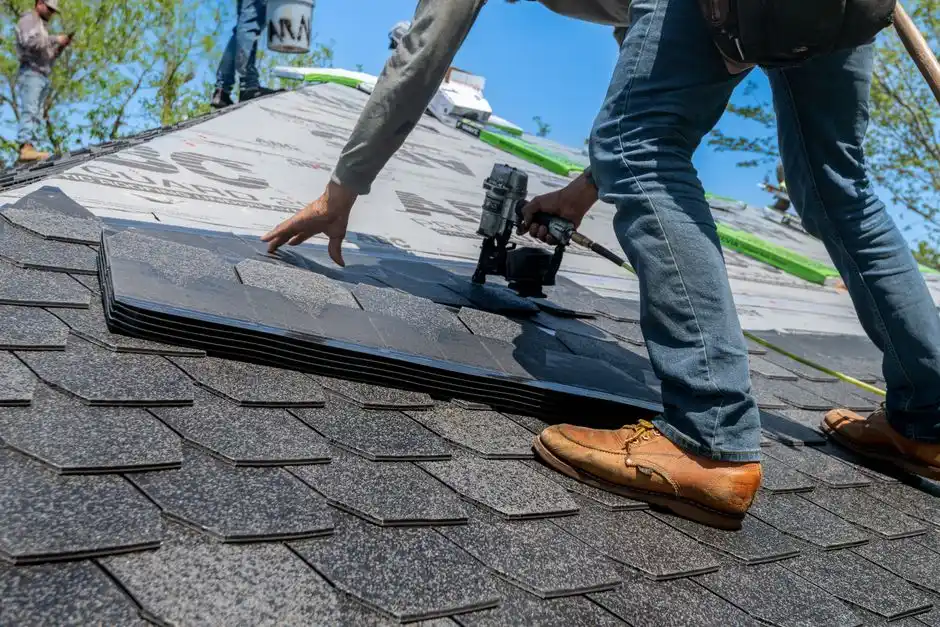 Roof InstallationWhen emergency repairs stack up on an aging roof, a full installation with GAF or CertainTeed shingles can be the smarter spend. We walk you through the numbers after the emergency is handled.Explore →
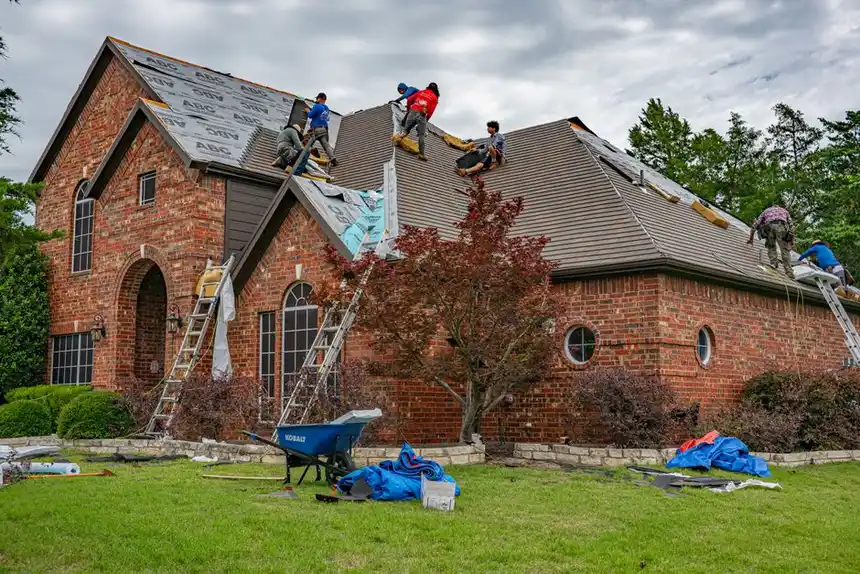 Roof ReplacementIf your roof has been patched one too many times, replacement may cost less than repeated emergency calls. We quote both options so you can decide with real numbers in front of you.Explore →
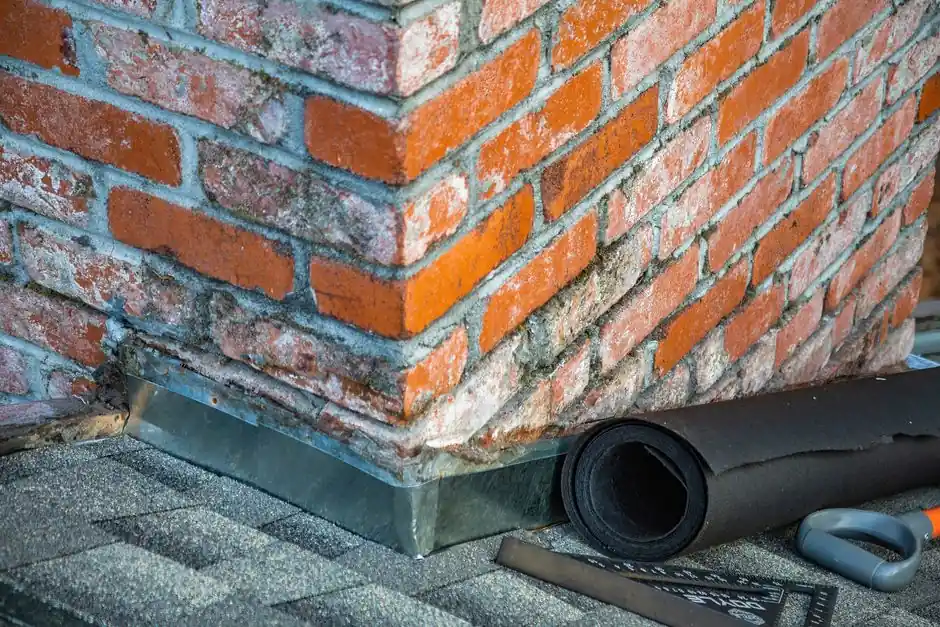 Roof RepairOur standard repair service handles the permanent fix after the emergency tarp comes off: new shingles, flashing, underlayment, and ridge vents installed to code.Explore →
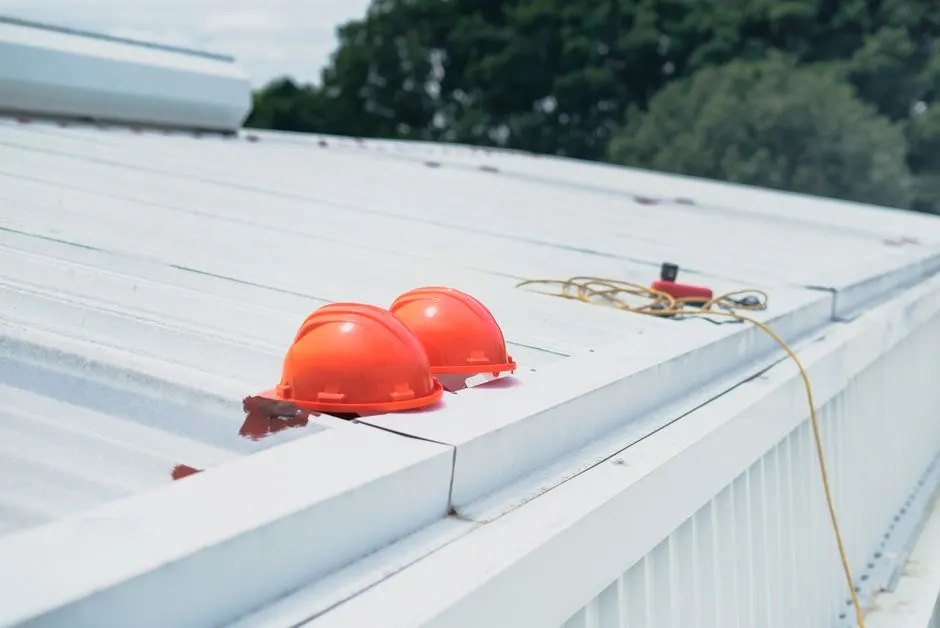 Roof InspectionA full inspection after any emergency catches the secondary damage a quick patch might miss, including soft decking, hidden flashing failure, and early roof rot.Explore →
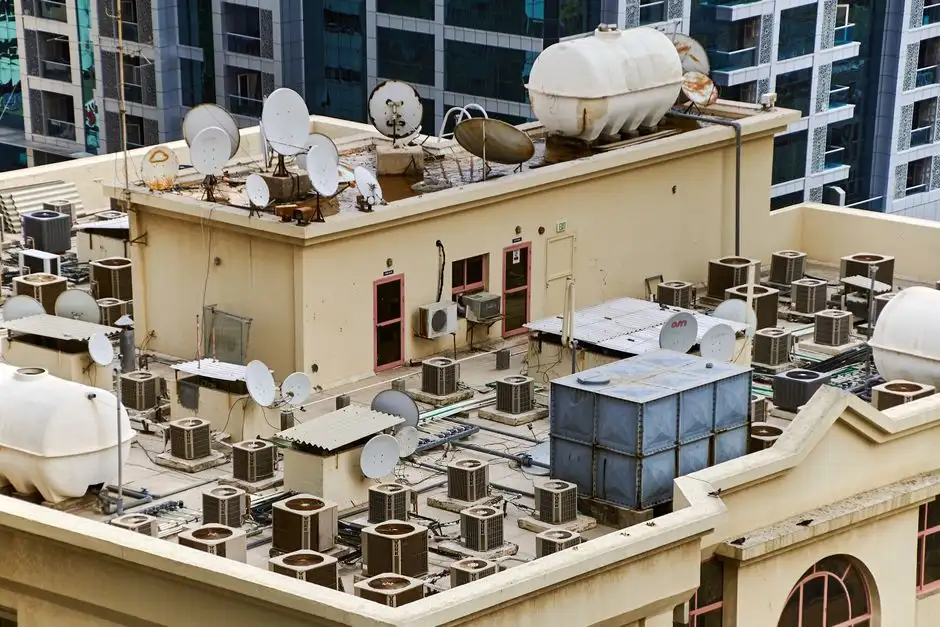 Roof MaintenanceRegular maintenance clears moss growth, clogged gutters, and small flashing issues before they become emergencies. We offer seasonal tune-ups across Washington.Explore →
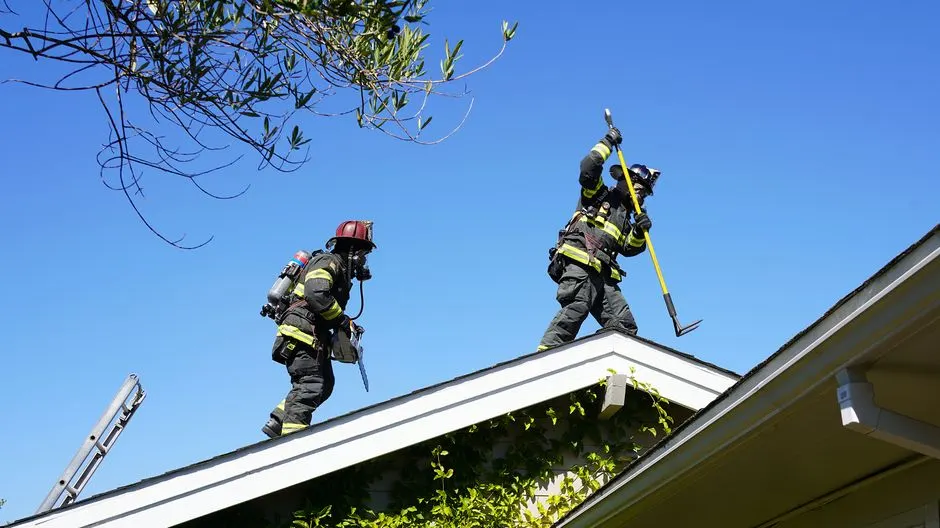 Residential RoofingFrom single-family homes in Puyallup to rentals in Lakewood, our residential crews handle every roof type and every emergency that comes with homeownership.Explore →
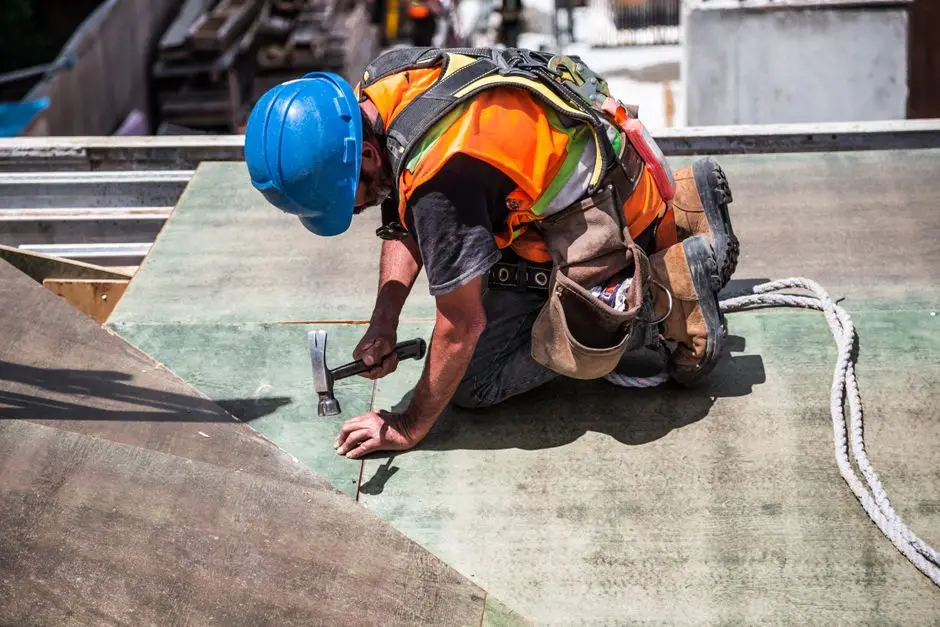 Commercial RoofingFlat roofs with TPO membrane or EPDM membrane fail differently. Our commercial crews respond to leaks on warehouses, retail, and office buildings across the state.Explore →
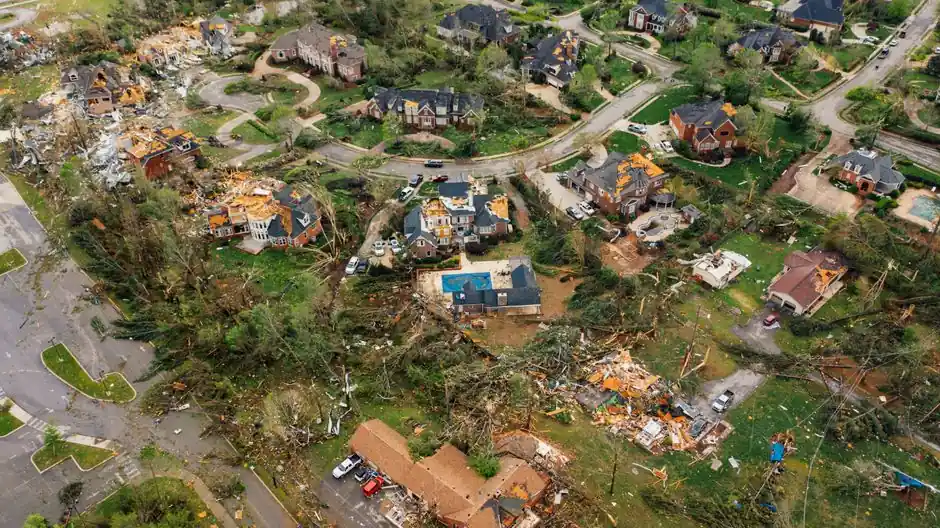 Storm Damage Roof RepairWind damage and hail damage often hit the same roof twice. Our storm damage crews document everything for insurance and rebuild the damaged sections to spec.Explore →
A leaking roof does not wait for business hours, and neither do we. Call now and a crew gets moving to your address with tarps, tools, and a plan. Licensed, insured, and answering the phone across Washington.
Call Now +18325202787 →Call us to schedule a consultation. Our phone line is answered during business hours for leaks, storm damage and emergency tarp-overs, and regular estimates get scheduled within one business day. Tell us your address and what the roof is doing, and we will get a crew out to take a look.