Why is my roof leaking after heavy rain in Seattle
Seattle's rain finds every weak point on a roof. Here's why leaks show up after heavy rain, what repairs cost in 2026, and how to stop the water before it spreads.
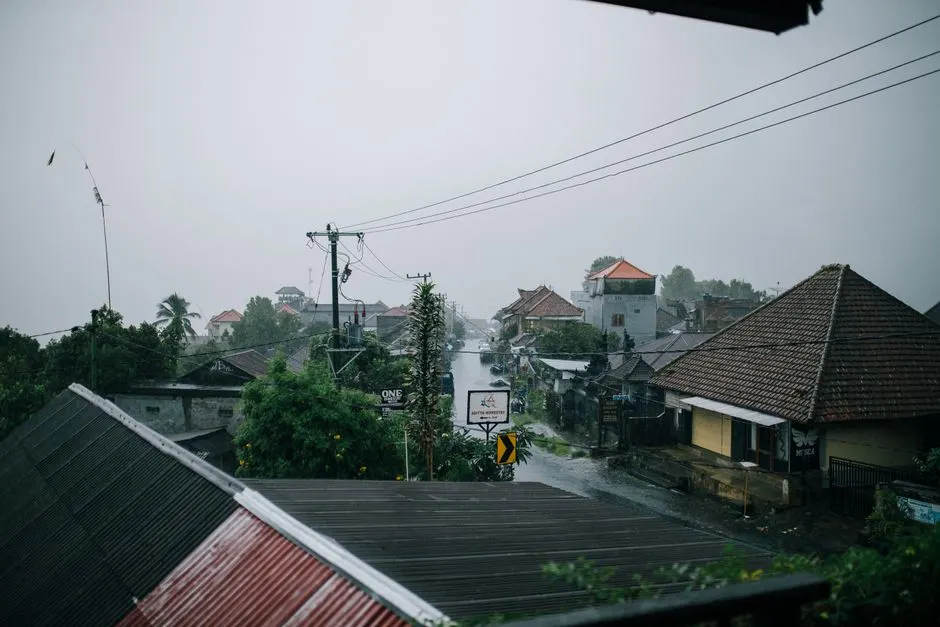
Your roof is leaking after heavy rain in Seattle because water is getting past a failed barrier - most often worn flashing, a cracked or lifted shingle, a clogged valley, or a seal that has aged out after years of wet-dry cycling. A roof leak after heavy rain in Seattle is rarely sudden; the storm just exposes a weakness that has been building for months.
We fix these leaks across the region every week, and the pattern is almost always the same: the water shows up inside long after the actual breach formed. Below we walk through the real causes, how to trace the source, what repairs cost in 2026, and when it's time to bring in a crew.
Why does my roof leak after heavy rain in Seattle?
Seattle roof leak heavy rain damage happens because the region gets roughly 37 inches of rain a year, most of it between October and March, and that volume finds every gap. A roof that sheds a light drizzle fine can fail when 1 to 2 inches falls in a few hours and water backs up behind debris or pushes sideways under shingles driven by wind.
Roof leaking after heavy rain Seattle is a category of water intrusion that shows up when the roof's drainage and seals are overwhelmed or already compromised. Three things make it worse here than in drier climates: constant moisture keeps wood and sealant from ever fully drying, moss growth lifts shingle edges, and gutters fill with fir needles faster than almost anywhere else in the country.
If you're seeing water inside after a storm, you're not alone - this is the single most common call we get from homeowners across roofing in Seattle, Washington from November through February.
The most common causes of Seattle roof leaks after heavy rain
Most Seattle roof leaks trace back to a short list of failure points, and knowing which one you're dealing with changes the repair completely.
1. Failed or rusted flashing
Flashing is the metal that seals joints around chimneys, skylights, vents, and where roof planes meet. It's the number-one leak source we find. Sealant around flashing lasts 5 to 8 years in this climate before it cracks, and once it does, water runs straight down the chimney or vent into the attic.
2. Cracked, lifted, or missing shingles
Asphalt shingles get brittle as they age. Wind during a storm lifts edges, and once a shingle curls, water gets underneath and travels sideways before it drips - which is why the stain on your ceiling is often feet away from the actual hole.
3. Clogged gutters and backed-up water
When gutters fill with needles and leaves, water backs up under the bottom row of shingles and rots the fascia. We see this on nearly every older home in neighborhoods with mature Douglas firs.
4. Ice dams and valley failures
Seattle gets fewer hard freezes than the mountains, but a cold snap after a wet storm can create ice dams at the eaves. Valleys - where two roof planes meet - collect debris and are a frequent leak point after heavy rain.
5. Skylight and vent seals
Skylights are a common culprit. The seal between the glass and frame fails over time, and the leak shows up as a drip at the skylight's lower edge during sustained rain.
If your home is in an older neighborhood with mature trees, a roof inspection in Washington after a storm will usually pinpoint which of these is at fault in under an hour.
How to find the source of a roof leak after a storm in Seattle
Finding the source of a Seattle roof leak means working backward from the water stain, not staring at the ceiling. Water travels along rafters and decking, so the entry point is often 5 to 15 feet uphill and sideways from where it drips.
Here's how we trace it:
- Start in the attic. On a dry day, look for dark streaks on the rafters, rusted nail heads, and damp insulation. Those marks point toward the entry point.
- Check the obvious suspects first. Chimney flashing, skylights, vent boots, and valleys account for most leaks.
- Run water in sections. A helper on the roof with a hose while you watch from the attic isolates the exact spot - one section at a time, 10 minutes each.
- Look at the gutters. If water overflows at a specific point, the leak may be a backed-up gutter rather than the roof itself.
Don't climb on a wet roof. A fall is far more expensive than a repair. If you can't safely get into the attic or onto the roof, that's the point to call a pro.
How to stop a roof leak in Seattle right now
To stop a roof leak in Seattle while you wait for a repair, contain the water and relieve the pressure - don't try to seal it from the ground. Here's what actually works:
- Catch the drip. Put a bucket under it and move furniture. If the ceiling is bulging, poke a small hole in the center with a screwdriver to let water drain into the bucket - that prevents a full collapse.
- Clear the gutters if it's safe. Backed-up gutters are a common cause of roof leak after storm Seattle calls, and clearing them can stop the overflow immediately.
- Tarp the area if you can do it safely. A temporary tarp over the suspected leak point sheds water until we can get there. Never walk a wet, pitched roof.
- Document everything. Photos of the stain, the drip, and any damaged belongings help with an insurance claim later.
For active water intrusion, our emergency roof leak repair Washington team responds fast, tarp-and-stabilizes the roof, and schedules the permanent fix. We don't leave a leak open overnight.
What roof leak repair costs in Seattle in 2026
What drives the price:
- Access and pitch. A steep roof or a tight attic adds labor.
- Source location. A leak at a chimney is more involved than a single cracked shingle.
- Age of roof. If the roof is near the end of its life, patching may not be money well spent.
We give you a written estimate before we start, so you know what the repair costs before anyone gets on the roof. If the damage is widespread, a roof replacement in Washington can be cheaper over five years than repeated patches on a failing roof.
Does insurance cover a roof leak from heavy rain in Seattle?
Homeowners insurance in Seattle usually covers a roof leak from heavy rain only when the damage is sudden and accidental - like wind tearing off shingles during a storm. It typically does not cover leaks caused by age, poor maintenance, or wear and tear.
Here's the practical split:
- Likely covered: wind damage, hail damage, a fallen limb, or a storm that opens the roof.
- Usually not covered: a 20-year-old roof that finally leaks, clogged gutters, or failed sealant.
If a storm caused the damage, document it immediately with photos and call your insurer before you repair. We work with adjusters regularly and can provide the inspection report and photos your claim needs. For storm-specific damage, our storm damage roof repair in Washington team handles the documentation side as well as the repair.
Common mistakes to avoid when your roof leaks
The most common mistake homeowners make with a Seattle roof leak is patching the ceiling instead of the roof. Paint and spackle hide the stain but the water keeps coming, and the rot spreads.
Other mistakes we see:
- Slapping sealant on the wrong spot. Water travels, so the obvious drip point is rarely the entry point.
- Ignoring a small leak. A slow drip can rot decking and framing for months before it shows.
- Hiring the first person who knocks after a storm. Storm-chasers move through after big weather. Ask for a local address and a written scope.
- Skipping maintenance. A roof maintenance in Washington visit each fall clears debris and reseals flashing before the rainy season starts.
If your home is in an area with heavy tree cover - like roofing in Bellevue, Washington - plan on gutter cleaning twice a year, not once.
When to call a professional for roof leak repair in Seattle
Call a professional for roof leak repair in Seattle when the leak is active, when you can't find the source, or when the damage is more than a single shingle. Water inside the house is a now problem, not a next-week problem.
Signs it's time to call us:
- Water is actively dripping or pooling inside.
- The ceiling is bulging or sagging.
- You see mold or musty smells in the attic.
- The leak returns after every heavy rain.
- You've patched it once and it's still leaking.
Our team at washington roofing solution handles Seattle roof leak heavy rain calls year-round. We find the source, fix it, and test it before we leave - and we tell you honestly if a repair is the right call or if the roof is past saving. You can see the full range of what we do on our roofing in Washington page.
Frequently Asked Questions
Why is my roof leaking after heavy rain in Seattle?
Your roof is leaking because water is getting past a failed barrier - usually flashing, a cracked shingle, a clogged valley, or an aged seal. Seattle's 37 inches of annual rain and constant moisture accelerate wear, so a small weakness becomes a leak during the first heavy storm.
How do I stop a roof leak in Seattle?
Contain the water first: bucket under the drip, poke a bulge to drain it, and clear gutters if it's safe. Tarp the suspected area from the ground if possible. Then call a roofer - temporary fixes buy hours, not seasons, and the source needs a permanent repair.
Who do I call for roof leak repair in Seattle?
Call a licensed local roofing contractor who handles leak diagnosis and repair, not just roof replacement. Ask for a written scope and a written estimate before work starts. Our team at washington roofing solution responds to active leaks and can be reached at +1 (832) 520-2787.
Does insurance cover a roof leak from heavy rain in Seattle?
It depends on the cause. Sudden storm damage - wind, hail, a fallen limb - is usually covered. Leaks from age, wear, or poor maintenance typically are not. Document the damage with photos and call your insurer before repairing.
How much does roof leak repair cost in Seattle in 2026?
Most straightforward repairs in Seattle vary by scope. Larger jobs involving decking, valleys, or skylights take more. We give a written estimate before starting so there are no surprises.
Get help with roofing in Washington
A leak after heavy rain won't fix itself, and every day you wait, the water spreads further into your decking and insulation. We find the source, stop the leak, and make sure it's dry before we leave.
Call washington roofing solution at +1 (832) 520-2787 to schedule a roof inspection or emergency leak repair in Seattle.