Missing shingles after a windstorm
We tarp the opening promptly, then replace the missing shingles with a matched line and re-nail to the manufacturer's pattern. We check the surrounding tabs for creasing so the next gust does not take more.
When a November windstorm peels shingles off your deck, you need storm damage roof repair in Washington that starts before the rain gets in. We run emergency storm damage roof repair Washington crews across the state, from Puget Sound to the Columbia Basin, and we document every missing shingle and bent flashing for your insurer. Licensed, insured, and set up for prompt tarping.
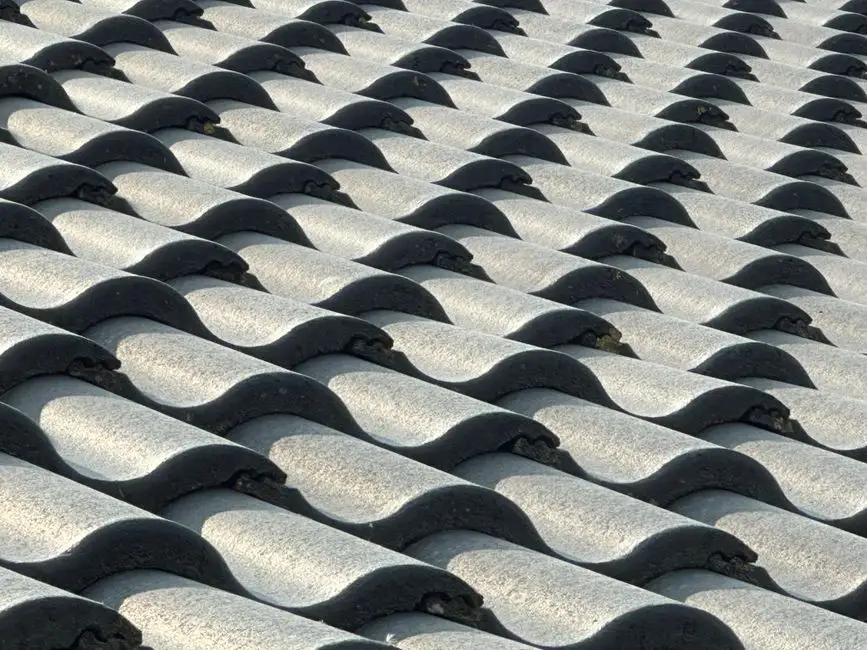
Storm damage roof repair in Washington is the trade of putting a roof back together after wind, hail, snow load, or falling limbs have opened it up. It is not a shingle swap. We pull the damaged field, check the decking for rot, replace failed underlayment and ice and water shield, re-flash every penetration, and re-nail to the manufacturer's pattern so the repair outlives the storm that caused it. Missing shingles, hail-bruised mats, and torn ridge vents all get handled in one visit when the scope allows.
Washington gives a roof three different kinds of trouble. West of the Cascades you get 40-plus inches of rain and wind gusts that lift shingle tabs; east of the mountains you get hail, hard freeze-thaw, and ice dams at the eaves. That is why we treat storm damage roofer Washington work as an inspection-first job: we walk the roof, photograph the damage, and tell you what is storm-caused versus what was already worn. If you have been searching for storm damage roof repair near me in Washington after a blow, the first step is a documented inspection, not a sales pitch.
Every storm repair starts with an inspection and ends with a written warranty. What sits in between depends on what the storm did. Here is what is standard on our storm damage roof repair in Washington jobs, and what we quote separately when the damage calls for it.
We walk the roof, check the attic side for staining and daylight, and photograph every damaged area. You get the photo set and a written damage summary promptly, which is what your insurer needs to open or move a claim.
If the roof is open, we tarp it before we leave the property. Tarps are secured with roofing screws and battens so they hold through the next front. Most emergency calls get a tarp promptly, and the cost is often credited toward the repair.
We pull the damaged field, probe the sheathing, and replace only the panels that have gone soft. New underlayment and ice and water shield go back at the eaves and valleys to the same standard as the rest of the roof, so the repair does not become the next leak.
Storm damage often shows up at the weak points: chimney flashing, pipe boots, and valleys. We re-flash those openings with new metal and sealant rather than smearing tar over a failure. That is the difference between a repair that lasts and one that leaks again next season.
We match the existing shingle line and color from GAF, Owens Corning, CertainTeed, Malarkey Roofing, or IKO so the repair blends. Then we clean the gutters, magnet-sweep the yard for nails, and blow the walkways before we leave.
Every storm repair carries a written workmanship warranty. If a repair we made leaks, we come back and fix it. You get the warranty in writing at the final walk, along with the photos of what was under the shingles.
You call and describe what you are seeing: a stain spreading on the ceiling, shingles in the yard, a limb through the deck. We ask enough questions to know whether you need a tarp tonight or an inspection this week. Most emergency calls get a crew out promptly.
We walk the roof with a harness and ladder stabilizer, photograph the damage, and check the attic side for staining and daylight. A storm damage roof inspection Washington homeowners can actually use takes 45 to 90 minutes and ends with photos in your hand, not a verbal guess.
If the roof is open, we tarp it before we leave. Then we write the repair scope: which slopes, how many squares, what flashing and underlayment get replaced. You get the number and the photo set promptly so your claim can move.
We tear off the damaged field, inspect the deck, replace bad sheathing, re-run ice and water shield at the eaves and valleys, and re-flash the penetrations. Most storm repairs run one to two days. We clean the gutters and blow the yard with a leaf blower before we pull out.
We walk the repair with you, show you the photos of what was under the shingles, and hand over the workmanship warranty in writing. If the adjuster needs a supplement, we meet them on the roof. You get a closed file, not a punch list.
Purpose-built equipment, used by trained technicians — so the job is done accurately the first time.
Keeps crews anchored on steep pitches and two-story elevations. Storm work often means wet, slick shingles, and the harness is not optional on our jobs.
Drives nails to the manufacturer's pattern on the repair field. The hammer comes out at the edges and valleys where a nail gun cannot reach cleanly.
Lifts the damaged shingles without tearing the surrounding tabs and cuts replacement shingles to fit around flashing and valleys. Clean cuts are what make a repair blend.
Lays out the repair field and the hail test squares so the adjuster sees a measured, documented scope instead of a guess.
Clears granules and debris from the gutters and walkways at the end of the job. The magnet sweep picks up nails the blower misses, which matters on driveways and lawns.
A November windstorm lifted about 20 shingles off the north slope and drove rain into the attic. The ceiling below was staining, and the homeowner had a bucket out. The exposed felt had already started to break down.
We tarped the slope promptly, then replaced the damaged field, two sheets of soft decking, and the underlayment. The repair used matched shingles and took one day. The ceiling stain stopped spreading, and the interior repair was a patch and paint.
A June hailstorm bruised the shingles on the south and west slopes. From the ground the roof looked fine, and the homeowner was not sure a claim was worth filing. The bruised mats were losing granules and would have aged out early.
We marked hail test squares, photographed the hits, and wrote a scope the adjuster approved. The repair replaced the two affected slopes with matched shingles and new ridge vents. The claim covered the work minus the deductible.
A limb punched through the deck over the garage during a November blow. The opening was about two feet across, and rain was running down the inside of the garage wall. The flashing at the wall junction was bent.
We tarped the opening the same afternoon and came back for the permanent repair once the weather cleared. The repair replaced the sheathing, underlayment, ice and water shield, and flashing, and matched the shingles around the opening. The garage stayed dry.
Storm damage rarely stays the size it starts. A lifted shingle lets water past the felt, a clogged gutter backs water under the eave, and a small leak turns into a ceiling repair. Here are the problems we see most after a Washington blow, and what happens if they sit.
Ask a pro →We tarp the opening promptly, then replace the missing shingles with a matched line and re-nail to the manufacturer's pattern. We check the surrounding tabs for creasing so the next gust does not take more.
We trace the water back to the roof opening with an attic inspection and a hose test where needed. Then we repair the flashing or shingle that failed and dry the insulation so mold does not get a foothold.
We mark hail test squares, photograph the hits, and separate storm bruising from ordinary wear. If the damage justifies a claim, you get the photo set. If it does not, we quote a straight repair.
We repair the storm damage and check the ice and water shield at the eaves. Where it is missing or torn, we replace it. We also check the ridge vents and attic insulation so the next cold snap does not rebuild the dam.
Priced by scope — schedule a consultation for a written estimate.
Storm repair pricing in Washington depends on how much of the roof is open, how steep it is, and how much decking has to be replaced. Emergency tarping is often credited toward the repair. We give you the number before we start, and we separate storm-caused work from ordinary wear so your claim covers only what it should.
The number on the invoice is the number we quoted. We separate storm damage from wear so you are not paying for someone else's problem, and we credit the tarp toward the repair. A repair done right the first time is cheaper than a ceiling replacement and a second repair.
A single missing-shingle repair is a different job from a full slope rebuild. The more squares involved, the more material, labor, and disposal go into the price.
Steep pitches and two-story elevations need harness work and slower going. A roof that needs a ladder stabilizer and extra staging costs more than a walkable single-story pitch.
Soft sheathing has to come out and new panels go in. One or two sheets is a modest add; a run of rot across a slope changes the scope and the price.
Matching an existing shingle line keeps the repair blending, but some discontinued lines cost more to source. We tell you the match options and the price difference before we order.
Yes, in most cases. Homeowners policies in Washington cover sudden storm damage such as wind-lifted shingles, hail bruising, and limb strikes, minus your deductible. Wear and tear, moss, and age-related failure are not covered. We photograph the damage and separate storm-caused from pre-existing so the adjuster sees a clean file. If the repair is under your deductible, we will tell you before you file.
Call your insurer, open the claim, and get a claim number promptly. Then get a contractor inspection before the adjuster visits so you know what is damaged. We provide the photo set, measurements, and a written scope you can hand to the adjuster. Most Washington carriers send an adjuster within 7 to 14 days, and we meet them on the roof when they arrive.
Storm damage repair pricing depends on pitch, access, and how much decking has to be replaced. A single missing-shingle repair with new underlayment is simpler. Emergency tarping is often credited toward the repair.
The best storm damage roofer in Washington is the one who gets on the roof, documents the damage, and gives you a written scope before asking for a signature. Look for a Washington State Roofing License, liability and workers' comp coverage, and manufacturer credentials like GAF Master Elite or Owens Corning Preferred Contractor. Ask for the photo set. A crew that will not show you the damage is selling, not repairing.
We run storm damage roof repair crews across Washington, from the Spokane Valley to the Olympic Peninsula. That means a local crew who knows your side of the mountains, the same inspection-first process, and the same written warranty on every repair. If a storm just came through your town, call and we will get a tarp or an inspection on the schedule.
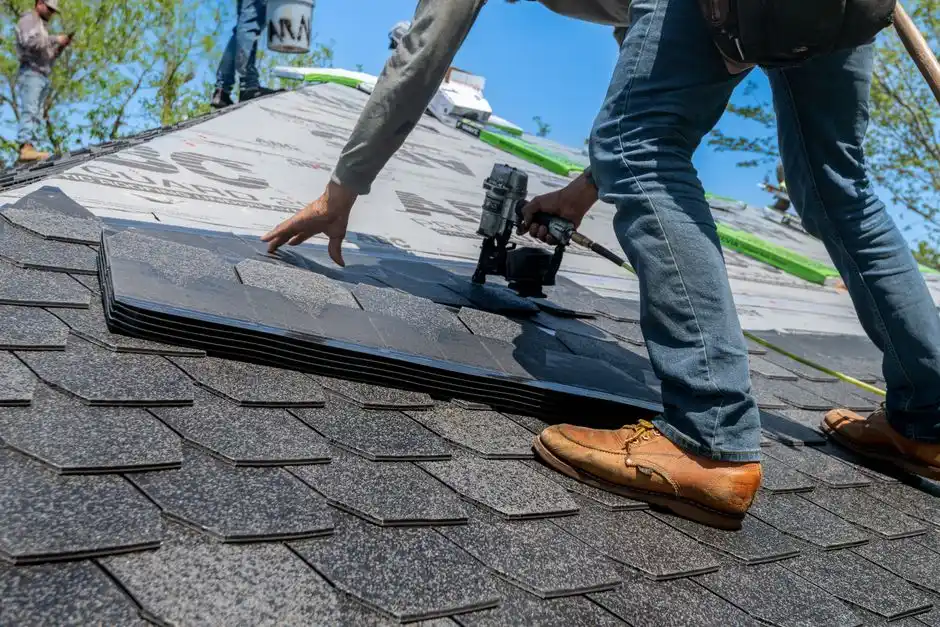 Roof InstallationWhen storm damage covers enough of the roof that a repair no longer makes sense, a full installation with new underlayment and ice and water shield is the cleaner path. We quote both so you can compare the numbers side by side.Explore →
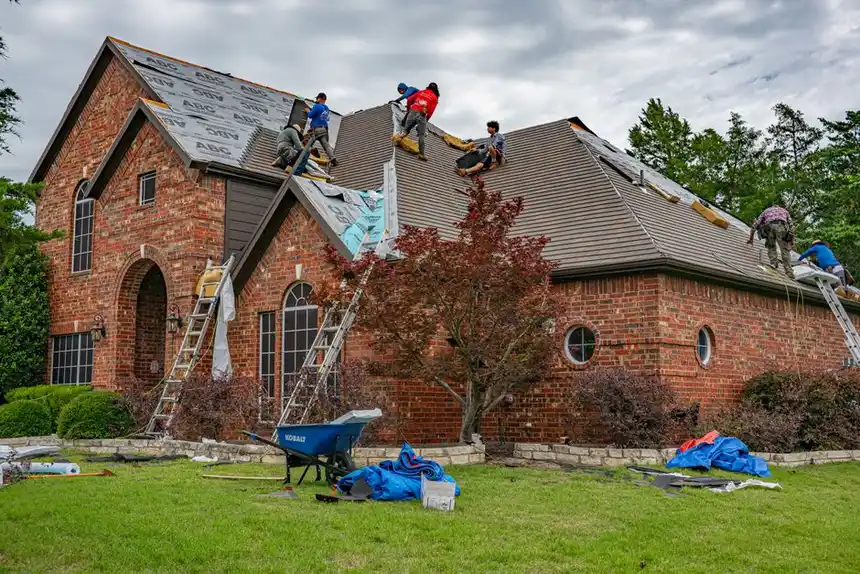 Roof ReplacementA roof that has taken two or three storm hits in a few seasons is often closer to replacement than repair. We walk the remaining service life with you and price a replacement against the repair so the decision is yours, not ours.Explore →
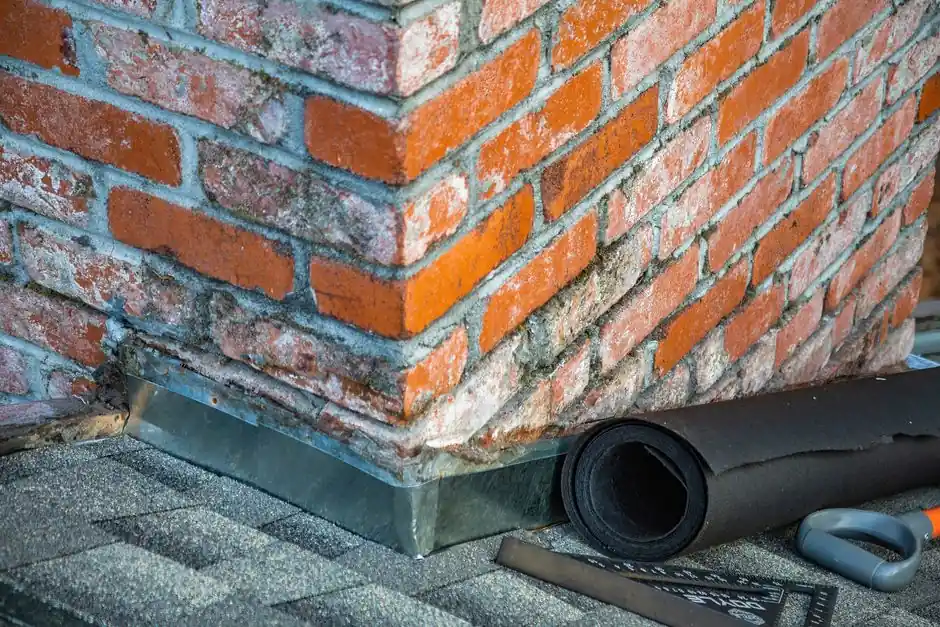 Roof RepairGeneral roof repair covers the everyday leaks, flashing failures, and worn pipe boots that are not storm-caused. If the inspection shows a mix of storm damage and ordinary wear, we split the scope so your claim covers only what it should.Explore →
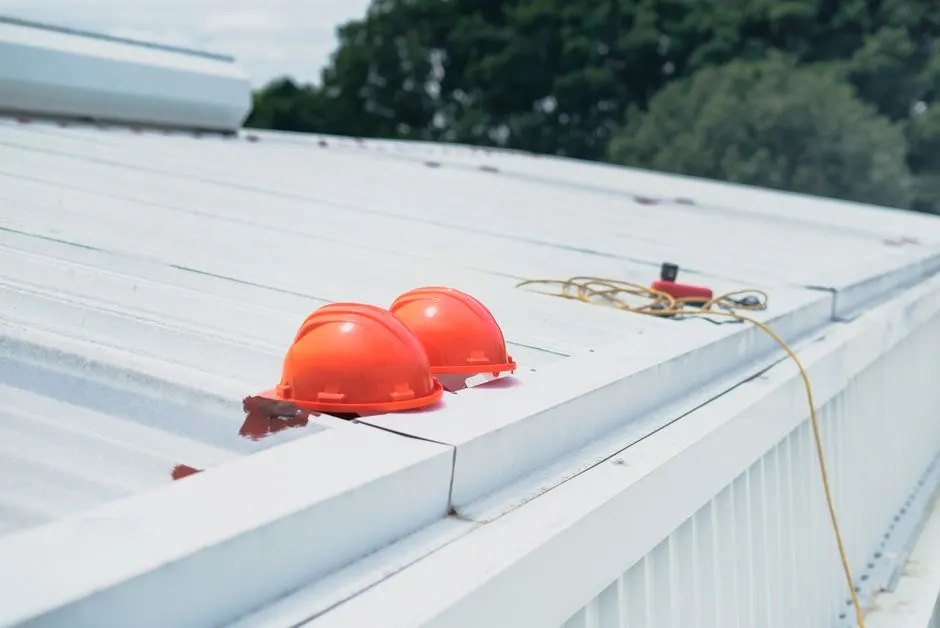 Roof InspectionA roof inspection is the front door to storm work. We walk the roof, photograph the damage, and check the attic for staining. You get a written report with photos, which is what your insurer and your records both want after a storm.Explore →
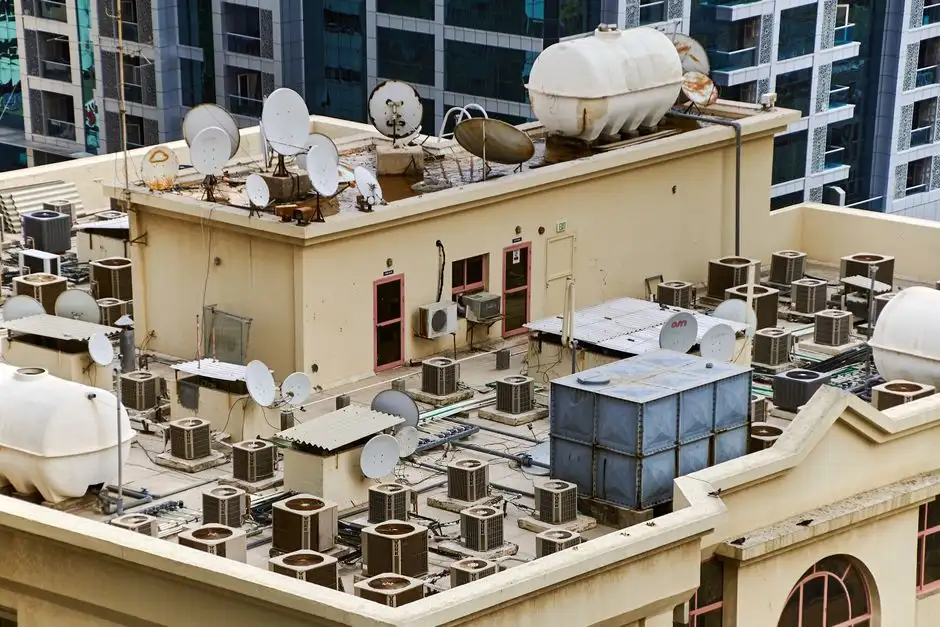 Roof MaintenanceClearing gutters, trimming limbs back from the deck, and re-sealing flashing before storm season cuts the damage a blow can do. A maintenance visit each fall is cheaper than a tarp-over in January, and it keeps small issues from becoming claims.Explore →
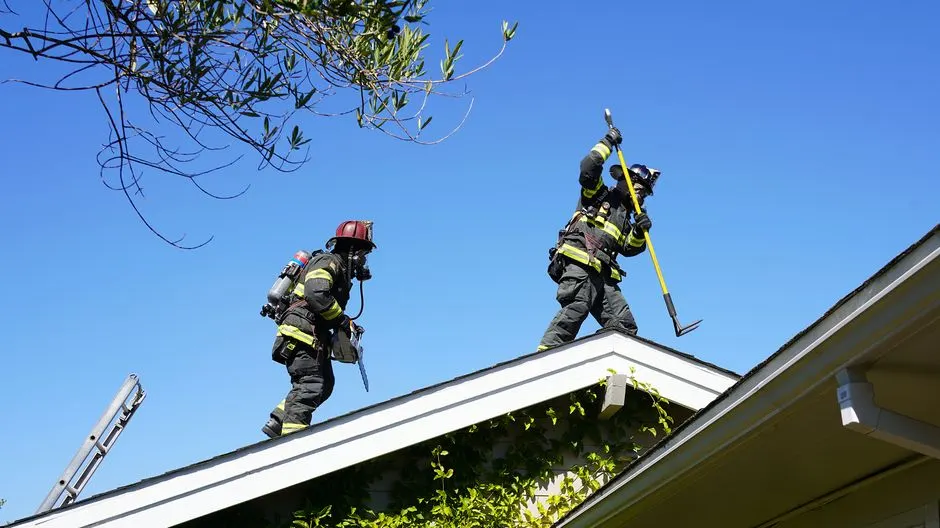 Residential RoofingMost storm damage we see is on homes: asphalt shingle roofs, metal roofing panels, and the occasional low-slope porch. Residential work is our bread and butter, from a single slope repair to a full tear-off after a bad hail year.Explore →
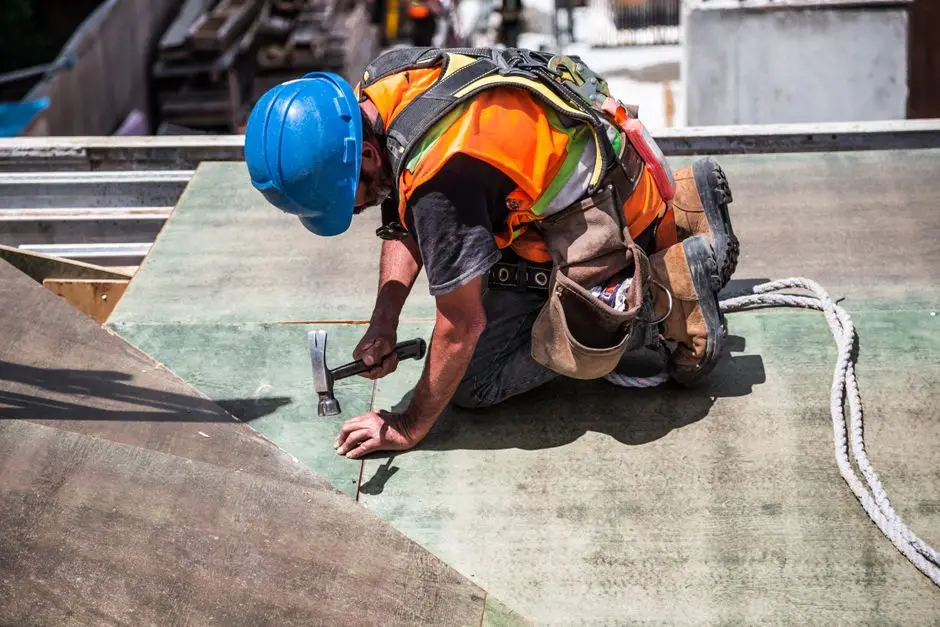 Commercial RoofingCommercial storm damage usually shows up as ponding, membrane punctures, or wind-lifted TPO membrane and EPDM membrane at the edges. We handle those repairs with the same documentation discipline, working around your business hours so the building stays open.Explore →
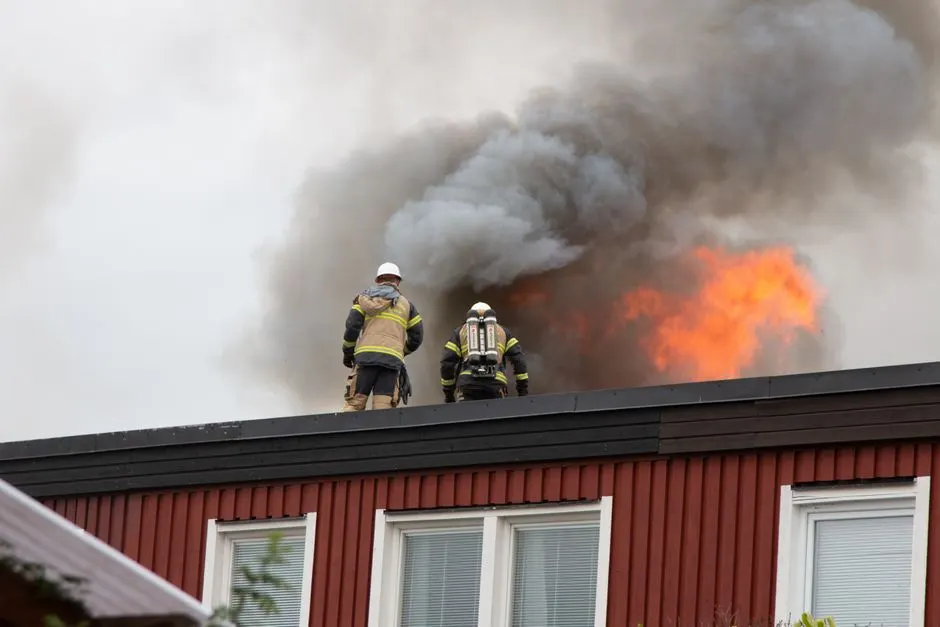 Emergency Roof RepairEmergency roof repair is the tarp-and-dry-in side of storm work. When a limb is through the deck or shingles are peeling in a live wind, we get out, stop the water, and come back for the permanent repair once the weather settles.Explore →
One call gets a crew scheduled, a tarp on the roof if you need it, and photos in your hand for the insurer. We are licensed, insured, and set up for prompt emergency work across Washington. Call now and tell us what the storm did.
Schedule Inspection +18325202787 →Call us to schedule a consultation. Our phone line is answered during business hours for leaks, storm damage and emergency tarp-overs, and regular estimates get scheduled within one business day. Tell us your address and what the roof is doing, and we will get a crew out to take a look.