How to prepare your roof for Washington winter storms
Washington winters bring heavy snow, ice dams, and wind. Here's the exact checklist we use to prepare roofs for winter storms - before the first freeze hits.
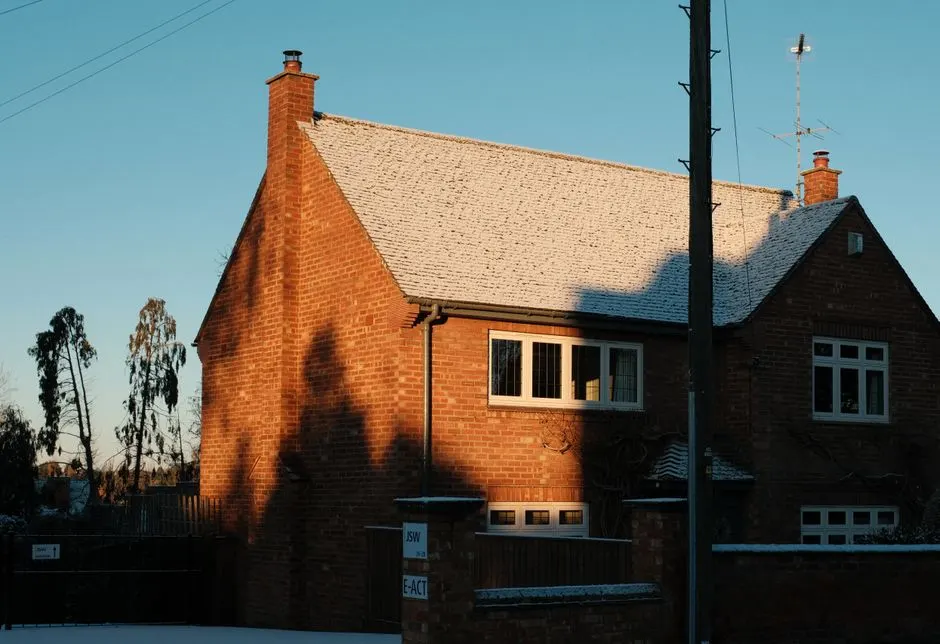
You prepare your roof for Washington winter storms by doing five things before the first hard freeze: get a professional inspection, clear the gutters, seal every flashing point, verify your snow load capacity, and fix any existing damage. That work needs to happen in October or early November - not after the first snow. Washington winters bring 30-80 inches of snow in the Cascades and 5-20 inches in the lowlands, plus wind-driven rain and freeze-thaw cycles that find every weak point on a roof. This guide walks through the exact checklist we run on homes across the state so you can protect your roof from snow and ice before the season turns.
Why Washington winters are hard on roofs
Washington winters are hard on roofs because the state combines heavy snow, rapid freeze-thaw cycles, and wind-driven rain in a single season. A roof in Spokane might see 45 inches of snow and a week of 10°F nights, while a roof in Seattle sees 38 inches of rain and only a handful of snow days - but both face the same enemy: water getting in and freezing.
Freeze-thaw is the quiet killer. Snow melts on a 40°F afternoon, runs into a hairline crack, and refreezes at 25°F that night. The ice expands and widens the crack. Do that 20 times in a winter and a pinhole becomes a leak. That's why roof maintenance in Washington matters more here than in drier climates - small defects get amplified fast.
Wind is the other factor. Low-pressure systems off the Pacific regularly push 40-60 mph gusts across the Puget Sound region. Any loose shingle, lifted ridge cap, or aging flashing detail becomes a wind entry point. Once wind gets under a shingle field, it peels rows off in minutes.
Start with a professional winter roof inspection
A winter roof inspection in Washington should happen between late September and early November, before the first sustained freeze. A proper inspection covers the shingles, flashing, valleys, penetrations, gutters, attic ventilation, and the underside of the decking from inside the attic.
Here's what a real inspection looks like when we do it:
- Roof surface walk - checking for cracked, curled, or missing shingles; granule loss; and exposed nail heads.
- Flashing check - chimney, skylight, vent pipe, and step flashing at walls. These are the number-one leak source on Washington homes.
- Attic inspection - looking for daylight, water stains, damp insulation, and inadequate ventilation.
- Gutter and downspout flow test - confirming water moves off the roof and away from the foundation.
- Snow load review - confirming the roof structure and material can handle the snow your region gets.
If you haven't had eyes on your roof since last winter, schedule a roof inspection in Washington now.
Clear gutters and downspouts before the first freeze
Clear your gutters and downspouts before the first freeze, because clogged gutters are the leading cause of ice dams and fascia rot in Washington. When gutters back up, water wicks under the roof edge, freezes, and pushes the shingles up.
Do this in late October. Remove leaves, fir needles, and granule grit. Flush each downspout with a hose and confirm water exits at least 6 feet from the foundation. If your downspouts discharge right at the foundation, add extensions - Washington's clay-heavy soils in the lowlands don't drain fast, and that water finds basement walls.
Homes surrounded by Douglas fir and cedar - common across roofing in Bellevue and the Eastside - need gutters cleaned twice in fall, not once. Fir needles mat into a solid layer that holds water like a sponge.
Check and repair flashing, seals, and shingles
Check and repair flashing, seals, and shingles before winter, because these are the three failure points that let water into a Washington home. Flashing is the metal that seals roof-to-wall, roof-to-chimney, and roof-to-penetration joints. When the sealant behind it dries and cracks, water gets behind the shingles.
Walk the roof (or have us do it) and look for:
- Rusted or lifted flashing at the chimney and skylights
- Cracked sealant around vent pipes and boots
- Curled, cracked, or missing shingles - especially on south-facing slopes that get the most sun
- Exposed nail heads that have backed out
- Lifted ridge caps and loose ridge vents
Small fixes now are cheap. A tube of roofing sealant and a handful of shingles is a Saturday job. If you already see water stains on the ceiling, don't wait - call for roof leak repair before the first storm.
Understand roof snow load in Washington
Roof snow load in Washington varies dramatically by region, and most homeowners don't know their number. The Washington State Building Code sets ground snow loads from roughly 25 psf in the lowlands to over 100 psf in the Cascades and mountain zones. A typical residential roof is designed for 20-40 psf live load in the lowlands and 50-70 psf in snow country.
What does that mean in inches? Fresh, dry snow weighs about 7 pounds per cubic foot. Wet, settled snow weighs 15-20 pounds per cubic foot. So a roof rated for 30 psf can hold roughly 4 feet of fresh snow or about 18-24 inches of wet snow before it's at its limit.
If you live above 2,500 feet or in the eastern part of the state - roofing in Spokane, the Cascades, or the Okanogan - know your number and clear snow when it approaches 18 inches of wet accumulation. Use a roof rake from the ground, never a shovel on the roof.
Prevent ice dams on your roof
You prevent ice dams on your roof in Washington by keeping the attic cold and the roof edge clear. Ice dams form when warm attic air melts snow on the upper roof, the meltwater runs down to the cold eave, and refreezes - creating a dam that forces water back under the shingles.
The fix is three-part:
- Air-seal the attic floor. Seal gaps around recessed lights, plumbing penetrations, and the attic hatch. Warm air leaking into the attic is the root cause.
- Insulate to R-49. Washington's code minimum for attics is R-49 in most climate zones. If your insulation is at R-19 or below, you have an ice dam factory.
- Ventilate. Confirm soffit and ridge vents are open and not blocked by insulation. A balanced 1:150 vent ratio (1 sq ft of vent per 150 sq ft of attic) is the target.
If you already have ice dams every winter, a roof replacement in Washington with a proper ice-and-water shield at the eaves is often the permanent fix. That membrane runs 3-6 feet up from the eave and stops water from backing under the shingles.
Trim trees and secure roof attachments
Trim trees and secure roof attachments before winter, because Washington's windstorms turn overhanging branches into roof punctures. Keep branches at least 6 feet off the roof surface - that also keeps moss and debris off the shingles.
Check anything mounted to the roof: satellite dishes, solar panels, chimney caps, and vent hoods. Loose mounts vibrate in 50 mph gusts and open up the sealant around them. Tighten fasteners and re-seal. If you have a wood-burning fireplace, have the chimney cap secured and the flue checked before the first fire.
This is also the time to check your roofing in Tacoma and other South Sound homes for moss. Moss holds moisture against the shingles and lifts their edges. A gentle wash and a moss treatment in fall prevents that damage from compounding over winter.
Common mistakes to avoid
The most common winter roof mistakes we see in Washington are all avoidable. Here's what not to do:
- Waiting until the first snow. Roofers are booked solid from the first freeze through March. October scheduling gets you same-week service; December scheduling gets you a waitlist.
- Shoveling the roof yourself. Every winter, homeowners fall off ladders and roofs trying to clear snow. Use a roof rake from the ground, and stay off the roof when it's icy.
- Chopping ice dams with an axe or chisel. You'll punch through the shingles. Use a chemical ice melt in a sock or call a pro.
- Ignoring small leaks. A drip in November becomes a ceiling repair in February. Water finds the path of least resistance and keeps going.
- Skipping the attic. Half the winter roof problems we diagnose start in the attic - bad ventilation, missing insulation, air leaks. Check it before winter.
One more: don't assume a new roof is safe. Even a 5-year-old roof needs a fall inspection. Wind and freeze-thaw don't care how old the shingles are.
When to call a professional
Call a professional when you see water stains on the ceiling, missing shingles after a windstorm, ice dams that form every winter, or snow accumulation approaching your roof's load limit. Those are not DIY situations - they're the ones that turn into structural damage if you guess wrong.
Our team at washington roofing solution handles winter roof preparation across the state, from gutter clearing and flashing repair to full storm damage assessments. We find the problem, fix it, and confirm the roof is ready before the first storm hits. If you're not sure whether your roof is ready, that's exactly the call we want you to make.
Frequently Asked Questions
How do I prepare my roof for winter in Washington?
Get a professional inspection by early November, clear gutters and downspouts, seal flashing and vent boots, replace cracked shingles, trim overhanging branches, and confirm attic insulation is at R-49. Those six steps cover 90% of winter roof preparation in Washington.
What causes ice dams on roofs in Washington?
Ice dams form when warm attic air melts snow on the upper roof and the meltwater refreezes at the cold eave. The root causes are air leaks into the attic, insulation below R-49, and blocked soffit or ridge vents. Fixing attic air sealing and insulation stops most ice dams.
How much snow can a roof hold in Washington?
A typical lowland Washington roof is designed for 20-40 psf, which holds roughly 3-4 feet of fresh snow or 18-24 inches of wet snow. Mountain and eastern Washington roofs are rated for 50-70 psf or more. Know your region's ground snow load before winter.
When should I schedule winter roof maintenance in Washington?
Schedule winter roof maintenance between late September and early November, before the first sustained freeze. October is the sweet spot - roofers have availability, and any repairs are done before the weather turns. Waiting until December means waitlists and higher emergency pricing.
Can I clear snow off my roof myself?
You can clear snow from the ground with a roof rake, but stay off the roof itself. Falling from a roof or ladder is the most common winter roofing injury. For ice dams or heavy accumulation, call a professional - the risk isn't worth it.
Get help with roofing in Washington
Winter is coming whether your roof is ready or not. One inspection and a few hours of prep now saves you thousands in storm damage later.
Call washington roofing solution at +1 (832) 520-2787 to schedule your winter roof inspection and get a clear plan before the first freeze.