How to spot hail damage on your roof after a Washington storm
Hail leaves clues most homeowners miss. Here's how to spot hail damage on your roof after a Washington storm, what repair costs in 2026, and when to file a claim.
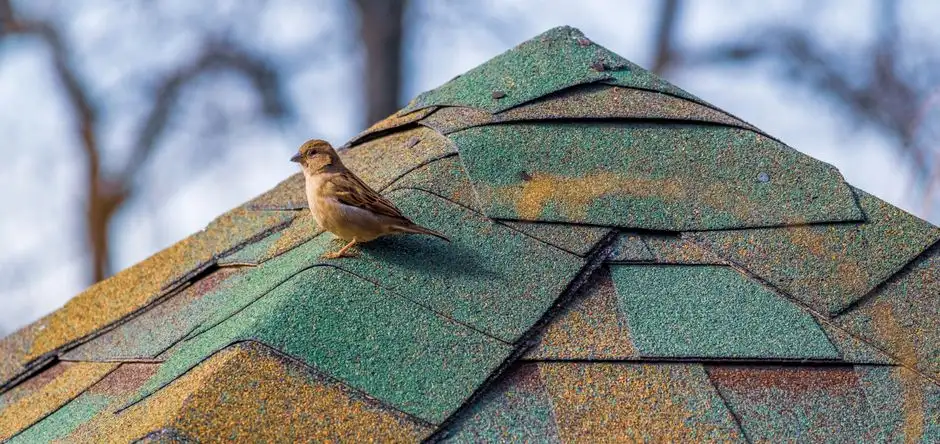
Hail damage on a roof shows up as bruised or missing shingle granules, soft spots that feel like a bruise on a piece of fruit, cracked or split shingle mats, and dented metal vents, gutters, or flashing. If you can see any of those after a storm, you have a claimable problem - not a cosmetic one. This guide walks you through exactly how to spot hail damage on your roof after a Washington storm, what it costs to fix in 2026, and how to handle the insurance side without getting lowballed.
We are washington roofing solution, and we have climbed on more post-storm roofs across the state than we can count. What follows is the same checklist we run ourselves, written so you can do a safe ground-level inspection before you ever pick up the phone.
What hail damage actually looks like on a Washington roof
Hail damage on a Washington roof is physical impact damage to the shingle surface and the metal components around it, and it almost never looks like a hole. The most common sign is granule loss - the sandy coating on asphalt shingles gets knocked loose, leaving dark, smooth patches that look wet even when they are dry.
Here is what to look for, in order of how often we find it:
- Granule loss: dark patches on shingles, or grit piling up in gutters and at the bottom of downspouts.
- Bruises: soft, spongy spots where the shingle mat has been crushed. Press gently with a thumb - if it gives, that is impact damage.
- Cracks and splits: short, straight fractures in the shingle, often running with the grain of the mat.
- Dented metal: dings on ridge vents, chimney flashing, gutter aprons, and downspout elbows. Metal dents are the single most reliable proof of hail size.
- Lifted or torn shingles: less common from hail alone, but wind that comes with the storm finishes the job.
One definition worth keeping in your head: hail damage roof inspection in Washington is a documented, photo-by-photo assessment of impact marks across the roof surface, and it is the piece of evidence your insurance adjuster will rely on most. Without it, a claim becomes a negotiation you usually lose.
How to spot hail damage on your roof after a Washington storm: a step-by-step check
You can do a solid first-pass inspection from the ground in about 15 minutes, and you should do it promptly after the storm passes - fresh damage is easier to separate from old wear. Stay off the roof. Ground-level checks catch most of what matters, and a fall is a much worse problem than a bruised shingle.
- Walk the perimeter. Look at the ground beneath downspouts for piles of shingle granules. A handful of grit after a storm is normal; a noticeable drift means the roof shed a lot of coating.
- Check the gutters. Look into the gutter troughs from a ladder only if it is stable and dry. Granules collect there and stay put.
- Inspect metal from the ground. Use binoculars on the ridge vents, chimney cap, and gutter edges. Dents tell you the hail size - pea-sized hail rarely damages shingles, but quarter-sized and up does.
- Look at soft metals on the ground. Downspout elbows, AC unit tops, and metal shed roofs show dents clearly and confirm the storm hit your address.
- Check the siding and window screens. Hail that dents vinyl siding or punches through window screens almost certainly damaged the roof above it.
- Look for interior signs. Brown ceiling rings, bubbling paint, or damp attic insulation mean water is already getting in.
If you find dents on metal and granule loss on the shingles, stop there and call for a proper inspection. If you find nothing at ground level but your neighbours are filing claims, still get a roof checked - hail swaths are narrow, and damage can skip one house and hit the next.
We run this exact inspection across the region, and we see the same pattern every spring: homes in roofing in Bellevue take hits on the west-facing slopes while the east side of the same roof is untouched. Direction matters more than most homeowners expect.
Why Washington hail hits differently than the rest of the country
Washington hail damage is different from hail damage in the Midwest because our storms are smaller, wetter, and far more localized. A storm cell can drop quarter-sized hail on a six-block stretch of one neighbourhood and leave the next town dry.
That matters for two reasons. First, your neighbour's roof is not proof of anything - you need your own inspection. Second, our shingles spend most of the year wet, which makes granule loss progress faster than it does in a dry climate. A bruised shingle that would last three more years in Texas can start leaking here in one.
We also see hail season run from late March through June, with a second, smaller window in September. November storms are usually wind-and-rain events, but the hail that falls this time of year is often larger and wetter, and it does more granule damage per stone than a dry spring hailstorm.
Older neighbourhoods carry more risk. Homes built before 2000 often have three-tab shingles that are already near the end of their life, and hail finishes them off. If you own a home in an older part of roofing in Tacoma, plan on an inspection after every significant hail event rather than waiting for a leak.
Hail damage roof repair vs replacement in Washington
Hail damage roof repair in Washington is the right call when the damage is limited to a few shingles or one slope, and the rest of the roof has at least five years of life left. Full replacement makes more sense when damage covers more than 30 percent of the roof, when the shingles are already 15 years or older, or when the mat is cracked in multiple places.
Here is the rule we use in the field: if we can count the damaged shingles on two hands, we repair. If we are marking damage with chalk across entire slopes, we replace. Insurance companies use the same logic, and they will push for repair whenever they can.
One thing to know about our climate: patch repairs on a wet roof are temporary. We will not install new shingles over a damp deck, because the seal will fail within a season. If the deck is wet, we dry it first, and that adds a day to the job.
When a storm has done enough damage to warrant a full tear-off, that is a roof replacement in Washington project, and it is worth doing once, properly, rather than patching the same slope three years running.
What hail damage roof repair costs in Washington in 2026
What drives the number:
- Roof pitch: anything steeper than 6/12 adds labour and safety gear.
- Material: architectural asphalt is the baseline; metal and cedar run higher.
- Access: a roof you can walk up to is cheaper than one that needs staging.
We give you a written estimate before we start, and it does not move unless we open the roof and find something we could not see from outside. That is the only honest way to quote storm work.
How to file a hail damage roof insurance claim in Washington
Filing a hail damage roof insurance claim in Washington starts with a documented inspection, not a phone call to your insurer. Get the inspection first, get photos and a written scope, then open the claim with evidence in hand.
The order that works:
- Get a professional inspection and a written report with photos.
- Call your insurer and open the claim. Give them the date of the storm.
- Meet the adjuster on the roof. Do not let them inspect alone.
- Compare the adjuster's scope to your contractor's scope line by line.
- Sign nothing until the numbers match the actual work.
Washington policies cover hail damage under the dwelling portion of a standard homeowner policy, and the deductible applies. One detail that catches people: cosmetic damage to metal roofs is sometimes excluded, so read that section before you assume a dented metal roof is covered.
If you want the claim handled properly from the first photo, our hail damage roof repair in Washington team documents every impact mark and meets your adjuster on site. It is the difference between a fair settlement and a fight.
Common mistakes homeowners make after a hail storm
The biggest mistake after a Washington hail storm is waiting. Most policies require you to report damage within a year, and the damage gets harder to prove with every rain that follows.
Other mistakes we see constantly:
- Climbing on the roof yourself. Wet shingles are slick, and a fall costs more than any repair.
- Signing with the first door-knocker. Storm-chasers follow hail. Ask for a local address and a state contractor registration before you sign anything.
- Letting a contractor "handle" the claim for you. You are the policyholder. You meet the adjuster.
- Accepting a repair when the roof needs replacement. A patch on a 20-year-old roof is money thrown away.
- Ignoring small dents on metal. Dented flashing is where leaks start, and it is cheap to fix early.
One more: do not assume your roof is fine because it is not leaking. Hail damage often takes two or three wet seasons to show up inside the house. By then, the decking is soft and the repair is bigger.
When to call a professional
Call a professional when you find dents on metal, granule loss on shingles, or any interior sign of water - and call sooner if your roof is more than 15 years old. Those are the three conditions where a small repair today prevents a five-figure replacement next year.
Our team handles storm work across the state, and we are often on the same streets within a day of a hail event. If you are not sure what you are looking at, we will tell you honestly whether you have a claim or not - including when the answer is that your roof is fine.
For homeowners who want a full picture of what we do beyond storm work, our roofing in Washington services cover everything from inspection to full replacement. And if the storm that hit you was mostly wind, our storm damage roof repair in Washington crew handles torn shingles, lifted ridges, and missing flashing the same week.
Frequently Asked Questions
How can I tell if my roof has hail damage in Washington?
Look for dark patches where granules are missing, soft bruised spots on shingles, and dents on metal vents, gutters, and flashing. Check gutters for granule buildup and use binoculars on the metal from the ground. If you find any of those, get a professional inspection before you file a claim.
Does insurance cover hail damage on roofs in Washington?
Yes, standard Washington homeowner policies cover hail damage to the roof under the dwelling coverage, minus your deductible. Cosmetic damage to metal roofs is sometimes excluded, so check that section of your policy. Report the damage within a year of the storm.
How much does hail damage roof repair cost in Washington?
Hail repair costs depend on the extent of the damage, roof size, pitch, and material. Small patches are simpler; a full slope or full replacement after severe hail takes more. Schedule a consultation for a written estimate based on your roof.
Can hail damage be repaired without replacing the roof in Washington?
Yes, when damage is limited to a few shingles or one slope and the rest of the roof has at least five years of life left. If damage covers more than 30 percent of the roof or the shingles are 15 years or older, replacement is usually the better call.
How long do I have to file a hail damage claim in Washington?
Most Washington policies require you to report damage within one year of the storm, though some give you less. File as soon as you have an inspection report. Waiting makes the damage harder to prove and can weaken your claim.
Get help with roofing in Washington
Hail damage does not get better with time, and it does not show up on the ceiling until the decking is already wet. If you have walked your property and found dents, granules, or soft shingles, get it looked at now.
Call washington roofing solution at +1 (832) 520-2787 and we will inspect the roof, document the damage, and give you a straight answer on repair versus replacement.