Roof inspection vs roof maintenance: which does your home need
A roof inspection tells you what condition your roof is in. Roof maintenance fixes the small stuff before it becomes a leak. Most Washington homes need both, on different schedules.
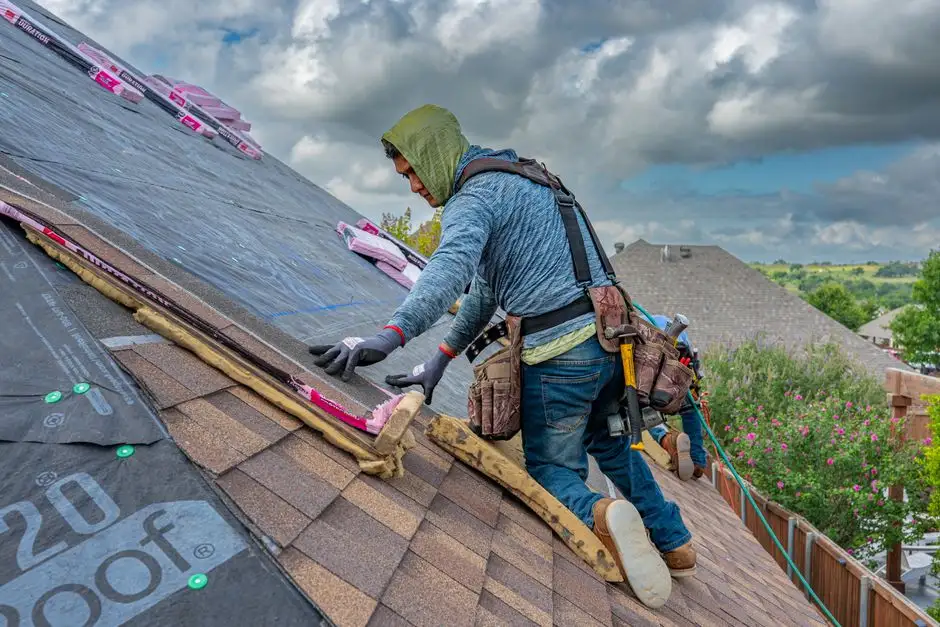
An inspection tells you what condition your roof is in right now. Maintenance is the work that keeps it in good condition so the inspection doesn't turn up bad news. Most Washington homes need both, but not on the same schedule - inspections once a year, maintenance once or twice a year depending on tree cover and how your roof drains.
We're washington roofing solution, and we run both services across the state. Here's how to tell which one your house actually needs this season, what each costs in 2026, and the specific things we look for on Puget Sound and east-side roofs.
The short answer: inspection diagnoses, maintenance prevents
Roof inspection vs roof maintenance is a diagnostic-versus-treatment distinction. A roof inspection is a documented condition assessment that identifies damage, wear, and code issues; roof maintenance is the hands-on work - clearing debris, resealing penetrations, replacing damaged shingles - that prevents those issues from becoming leaks.
Think of it like a physical versus a workout. The physical tells you your blood pressure. The workout is what keeps it down. You can't skip one and expect the other to carry the load.
In practice, here's how the two split out:
- Inspection: eyes on the roof, attic, flashing, and drainage. You get a report. No repairs happen on the same visit unless you approve them.
- Maintenance: physical work. Debris removal, sealant refresh, minor shingle replacement, gutter clearing, and a written record of what was done.
- Both: most homes. The inspection tells us what maintenance to schedule, and maintenance keeps the next inspection boring.
If you've never had either done on your house, start with an inspection. You can't maintain a roof you haven't assessed. Homeowners across the state can book roof inspection in Washington as a standalone service - no repair pressure, just a report and photos.
What a roof inspection actually covers
A roof inspection in Washington covers the shingles, underlayment, flashing, penetrations, valleys, ridge caps, gutters, downspouts, attic ventilation, and the underside of the roof deck where visible. We also check the condition of any skylights, chimney flashing, and pipe boots, because those are where most leaks start.
On a typical 2,000-square-foot home, a full inspection takes 60 to 90 minutes on site. We walk the roof when it's safe, use binoculars and a drone when it isn't, and get into the attic to look for staining, daylight, or damp insulation.
What you get back:
- A written report with photos of every issue, ranked by urgency.
- Remaining service life estimate for the shingles.
- Any code or insurance concerns - for example, missing drip edge or improper step flashing.
- A recommended maintenance plan if the roof is worth keeping.
An inspection is not a sales pitch. If your roof has five good years left, we'll tell you that and hand you a maintenance plan instead of a replacement quote. If it's done, we'll tell you that too - and you can decide whether to pursue roof replacement in Washington now or budget for it next year.
What roof maintenance actually covers
Roof maintenance in Washington covers the recurring work that keeps a roof watertight between inspections. That means clearing moss, needles, and leaves; resealing pipe boots and nail heads; replacing cracked or lifted shingles; tightening or replacing flashing; and clearing gutters so water leaves the roof instead of sitting on it.
Western Washington is the hardest environment in the state for roofs. We get 36 to 40 inches of rain a year in Seattle, plus moss that grows year-round on north-facing slopes. Eastern Washington is the opposite - Yakima and the Tri-Cities see under 9 inches of rain but get UV and freeze-thaw cycles that crack sealant and lift shingle tabs.
That's why maintenance frequency varies by where you live. A home in roofing in Seattle territory with heavy fir and cedar cover needs gutters cleared twice a year and moss treatment every 18 to 24 months. A home in roofing in Yakima needs sealant checked annually and debris cleared once, usually after the spring wind season.
Maintenance is also where you catch the small stuff before it becomes a claim. A pipe boot that fails in year eight becomes a ceiling repair by year ten if nobody looks at it.
How often should I get a roof inspection in Washington?
You should get a roof inspection in Washington once a year, plus after any major windstorm or hail event. Annual roof inspection in Washington is the standard we recommend to every homeowner we work with, regardless of roof age.
There are three exceptions that bump you to twice a year:
- Your roof is over 15 years old.
- You have large trees within 15 feet of the roof line.
- You've had a leak repaired in the last 24 months.
New roofs get a pass on the first year - most installers, including us, do a complimentary check at the 12-month mark to catch any fastener backing or sealant issues while they're still under warranty. After that, annual is the right rhythm.
If you're not sure when your last inspection was, that's your answer. Book one. It's cheaper than guessing.
Roof maintenance checklist for Washington homeowners
A roof maintenance checklist for Washington homeowners should cover drainage, debris, sealants, and shingle condition - in that order, because drainage problems cause more interior damage here than shingle wear does.
Here's what we run through on every maintenance visit:
- Gutters and downspouts: clear all debris, confirm water flows away from the foundation, check for sagging or separated seams.
- Roof surface: remove moss, needles, and leaves. Moss holds moisture against the shingle and lifts edges as it grows.
- Penetrations: inspect and reseal pipe boots, vents, and chimney flashing. These are the number-one leak source on Washington roofs.
- Shingles: replace any cracked, lifted, or missing tabs. Check ridge caps for granule loss.
- Valleys: confirm they're clear and the metal isn't corroded.
- Attic: quick look for new staining or damp insulation.
You can do items one and two yourself if you're comfortable on a ladder. Items three through six are where we earn our keep - resealing a pipe boot wrong is worse than not touching it.
If your roof is due for the full treatment, our roof maintenance in Washington service runs this checklist top to bottom and leaves you a written record of what was done and what to watch.
Cost of roof inspection vs maintenance in Washington
Those are the honest 2026 ranges for the Seattle, Tacoma, Spokane, and Vancouver markets we work in.
What moves the number:
- Roof size: a 1,200-square-foot rambler sits at the low end. A 3,500-square-foot two-story with steep pitch sits at the top.
- Pitch: anything over 8/12 pitch takes longer and needs more safety setup.
- Access: tight lots, low power lines, or fragile landscaping add time.
Inspection is almost always cheaper than maintenance because no materials are involved. If you book them together - inspection first, maintenance scheduled off the findings - you usually save the inspection fee or close to it. We quote both upfront before anyone gets on the roof.
The maintenance visit pays for itself the first time it catches one.
Common mistakes we see on Washington roofs
The most common mistake we see on Washington roofs is treating maintenance as optional until something leaks. By the time water shows up inside, the problem has usually been developing for 12 to 24 months.
Other repeat offenders:
- Pressure washing moss off. This strips granules and voids shingle warranties. Moss should be treated and removed gently, not blasted.
- Sealing over wet shingles. Sealant won't bond to a damp surface. It fails within a season and hides the real problem.
- Skipping the attic. Half the leaks we find are visible in the attic before they're visible on the roof.
- Ignoring gutters until they overflow. A clogged gutter backs water under the bottom course of shingles and rots the fascia.
- Hiring the cheapest quote. Roof work is one of the few trades where the low bid usually means no insurance and no warranty. Ask for the contractor's license and insurance before anyone climbs a ladder.
We also see homeowners confuse a maintenance visit with a repair. Maintenance is scheduled work on a functioning roof. If you have an active leak, that's roof repair in Washington, and it should be handled as a repair, not folded into a tune-up.
When to call a professional
Call a professional when you see any of these: water stains on a ceiling or in the attic, granules collecting in gutters, daylight through the roof boards, missing or lifted shingles after a wind event, or moss covering more than a quarter of a roof slope.
Also call if your roof is over 15 years old and has never been inspected. At that age, small issues compound fast, and an inspection is the cheapest way to find out whether you're looking at maintenance or a replacement in the next two to three years.
Our team at washington roofing solution handles inspections, maintenance, and repairs across the state. We'll tell you what your roof needs and what it doesn't - and if maintenance is the right call, that's what we'll recommend.
Frequently Asked Questions
What is the difference between roof inspection and roof maintenance in Washington?
An inspection is a diagnostic assessment - someone looks at the roof and reports its condition. Maintenance is the physical work that keeps the roof watertight: clearing debris, resealing penetrations, replacing damaged shingles. Inspections tell you what to do; maintenance does it. Most Washington homes need an inspection yearly and maintenance once or twice a year.
How often should I have my roof inspected in Washington?
Once a year, plus after any major wind or hail event. Homes with roofs over 15 years old, heavy tree cover, or a recent leak repair should go to twice a year. New roofs can skip the first year if the installer does a 12-month warranty check.
Is roof maintenance necessary in Washington?
Yes. Western Washington's 36 to 40 inches of annual rain and year-round moss growth, plus eastern Washington's freeze-thaw cycles, wear roofs faster than the national average. Skipping maintenance typically shortens shingle life by three to five years and leads to interior leaks that cost far more than the maintenance visits.
How much does roof inspection and maintenance cost in Washington?
Inspection and maintenance pricing depends on roof size, pitch, and access. Heavy moss, steep pitch, or difficult access make the visit more involved. Schedule a consultation for a written estimate. Booking both together usually saves most or all of the inspection fee.
Can I do roof maintenance myself?
You can clear gutters and sweep light debris off a low-slope roof safely. Resealing penetrations, replacing shingles, and treating moss are better left to a pro - done wrong, they cause more damage than they prevent, and DIY work can void your shingle warranty.
Get help with roofing in Washington
If you're not sure whether your roof needs an inspection, maintenance, or a repair, we'll come out and tell you straight. One visit, one honest answer, no pressure to buy anything you don't need.
Call washington roofing solution at +18325202787 to schedule your inspection or maintenance visit. We serve homeowners across Washington and can usually get you on the schedule within a week.