Roof repair in Washington: what homeowners should know
Real 2026 numbers for roof repair cost in Washington - minor leak patches, storm damage, emergency tarping, and what insurance actually covers.
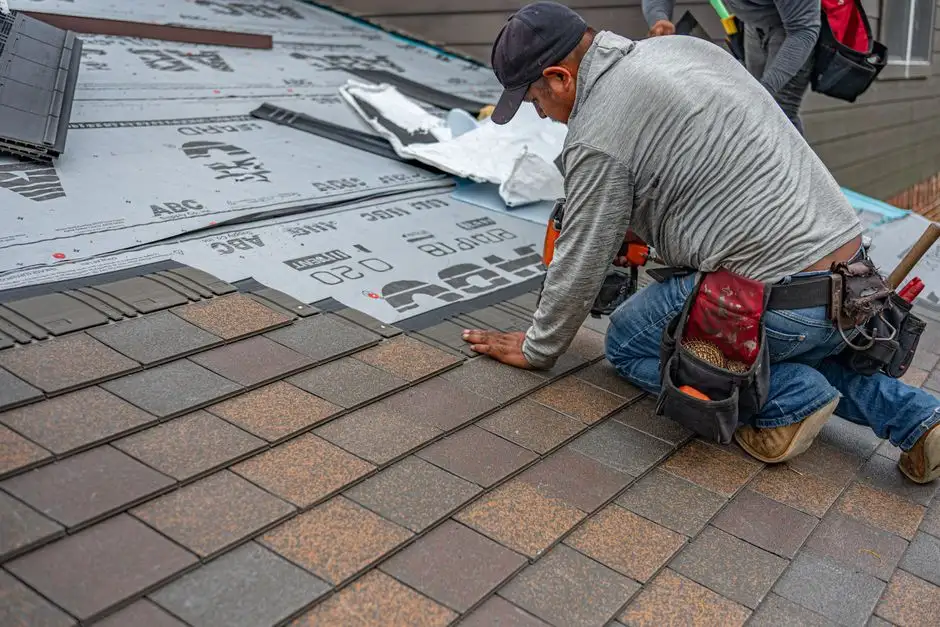
That range covers everything from a shingle patch to a chimney flashing rebuild - and it does not include full replacement, which is a different conversation entirely. Below we break down what drives those numbers, how damage type changes the price, what insurance actually covers, and where homeowners waste money on repairs that never should have been approved.
Roof repair cost in Washington is a moving target because the state has three distinct climates in one border. The wet side of the Cascades sees 38 to 60 inches of rain a year, the east side sees 8 to 12, and both get wind events that peel shingles regardless of rainfall. That matters for your wallet.
What roof repair actually costs in Washington in 2026
Roof repair cost in Washington is the total you pay a licensed contractor for materials, labor, disposal, and any code-required upgrades on a specific problem area - not the whole roof.
Here is what we actually invoice across the state right now:
Two things push a Washington repair above the average: moss damage on the west side and freeze-thaw damage on the east side. Moss eats asphalt shingles from underneath, and by the time you see it from the ground the granules are gone and the mat is exposed. Freeze-thaw cycles in Spokane and the Tri-Cities crack sealant and lift flashing nails, which is why we see more flashing repairs east of the mountains than most homeowners expect.
If you are comparing bids and one is dramatically lower than the others, ask what underlayment they are using. A repair without proper underlayment is a repair you will pay for twice. Our roof repair in Washington crews quote the full scope - tear-out, decking check, underlayment, and finish - before we start, so the number you hear is the number you pay.
How much does roof repair cost in Washington by damage type?
How much do homeowners pay for roof repair in Washington depends almost entirely on what failed. A cracked vent boot and a rotted valley are both "roof leaks," but they are not the same job and should never be quoted the same way. Here is the honest breakdown by damage type.
Roof leak repair cost in Washington
Active leaks are quoted after inspection for most single-source repairs. The price climbs when the leak has traveled - water enters at the ridge and shows up at the ceiling fan, which means we are chasing it across 20 feet of decking. Locating the source with a moisture meter and hose test adds to the job, and it is money well spent because it stops the guesswork.
Storm damage roof repair in Washington
Wind-driven rain and 40 to 60 mph gusts tear shingles, lift ridge caps, and bend gutter aprons.
Hail damage roof repair in Washington
Hail is less common west of the Cascades but hits hard in eastern Washington - Kennewick, Pasco, and the Yakima Valley see pea-to-quarter-size hail most springs. Hail bruises shingles and knocks granules loose, which shortens roof life even when there is no visible hole.
Moss and algae damage
Moss removal and treatment on a 1,500 sq ft roof is quoted by scope. If the moss has already lifted shingles and rotted the felt, you are looking at replacing the affected courses. This is the single most preventable repair on the list, and it is why we push roof maintenance in Washington so hard on the west side.
Roof repair cost per square foot in Washington
The wide range is because small jobs carry fixed costs - a truck roll, a two-person crew, disposal - that get spread across very few square feet.
Where the per-square-foot math gets useful is at the decision point. Once a repair quote crosses roughly 30% of the cost of a full replacement, most homeowners are better off replacing. Below that, repair. Above it, get a replacement quote before you commit.
Roof pitch, layers, and access all move the per-foot number. A walkable 4/12 pitch is the cheapest to work on. A 10/12 pitch with a two-story drop and a steep tear-off adds to the per-square-foot cost. Three-tab shingles are cheaper to patch than architectural shingles, and standing-seam metal repairs cost more because the panels have to be unseamed and reseamed.
Emergency roof repair cost in Washington
Emergency roof repair in Washington for after-hours calls is quoted after inspection, with the tarp-and-stabilize portion and the permanent repair quoted separately. The premium is real - nights, weekends, and holidays carry a 25% to 50% surcharge - but a tarp tonight is almost always cheaper than the drywall, insulation, and flooring you replace if water runs for three days.
November through February is our busiest stretch. Atmospheric rivers dump 2 to 4 inches of rain in 24 hours on the west side, and that is when we get the calls. If you see water staining a ceiling, hear dripping in a wall, or find shingles in the yard after a windstorm, do not wait for a dry day. Call for emergency roof repair in Washington and get a tarp on it. We can usually be out promptly across the Puget Sound region.
One thing to know about emergency work: a legitimate emergency roofer will tell you the cost up front and separate the tarp from the permanent repair. If someone quotes you a price over the phone for an emergency leak without seeing the roof, that is a red flag.
Roof repair cost vs replacement in Washington
Roof repair cost vs replacement in Washington comes down to age, extent, and how many problems you are chasing. A 12-year-old architectural shingle roof with one bad flashing detail is a repair. A 22-year-old roof with three active leaks, soft decking, and granule loss across every slope is a replacement, and patching it is throwing money at a losing battle.
Here is the rule of thumb we give homeowners:
- Roof under 15 years old, one isolated problem: repair.
- Roof 15-20 years old, repair under 30% of replacement cost: repair, then plan for replacement in 3-5 years.
- Roof over 20 years old, or repair over 30% of replacement cost: replace.
- Any roof with structural sagging, widespread decking rot, or multiple active leaks: replace.
Asphalt shingle roofs in Washington last 18 to 25 years on the west side and 22 to 30 years on the east side, mostly because the dry side does not deal with moss. If your roof is past 20 and you are looking at a repair, get a roof replacement in Washington quote before you sign the repair. You may find the math points the other way.
Roof repair cost with insurance in Washington
Roof repair cost with insurance in Washington is usually your deductible plus nothing, provided the damage came from a covered event - wind, hail, fallen trees, or sudden storm damage. Normal wear, age, moss, and poor maintenance are not covered, and no adjuster will pretend otherwise.
That deductible number matters. If your repair costs less than your deductible, filing a claim gets you nothing and puts a claim on your record. If your repair costs far more than your deductible after a windstorm, file it. We help homeowners document damage with photos, moisture readings, and a written scope before they call their carrier, because a clean claim file gets approved faster.
Washington is a matching-state for shingles in most policies, meaning the insurer has to match your existing shingle if a repair leaves a visible mismatch. That is worth knowing before you accept a patch on a discontinued shingle line. If the shingle is no longer made, the claim can shift from a repair to a partial or full replacement, and that changes the whole financial picture.
How to save money on roof repair in Washington
How can you save money on roof repair in Washington? Fix small problems before they become big ones, get at least two written quotes, and schedule non-emergency work in the shoulder season. A vent boot replacement in April is a decking repair by November if you let it go.
What actually moves the number:
- Book in spring or early fall. Late summer and post-storm weeks are peak demand and prices reflect it.
- Bundle repairs. Three small fixes on one visit cost less than three separate service calls.
- Keep gutters clear. Backed-up gutters push water under the fascia and into the decking, and that repair is never small.
One more: do not pay for a repair you cannot see the scope of. Ask for photos of the damage before work starts, and ask what happens if they open it up and find more rot. A good contractor will give you a per-sheet decking price up front so there are no surprises.
Common mistakes we see homeowners make
The most expensive roof repair mistake in Washington is hiring the first person who knocks on the door after a storm. Storm-chasers move through the state every fall and winter, collect deposits, and disappear before the first rain test. If they cannot give you a Washington contractor registration number and a local address, walk away.
Other mistakes we see constantly:
- Patching over wet decking. The shingle goes down, the rot keeps spreading, and you pay twice.
- Skipping the underlayment. It is the actual waterproofing layer. Shingles shed water; underlayment stops it.
- Ignoring ceiling stains. A brown ring means water has already traveled. Waiting a month turns a small repair into a major one.
- Pressure-washing shingles. It strips granules and voids shingle warranties. Use a soft-wash or chemical treatment instead.
- Filing small claims. A small repair claim can raise your premium more than the repair costs.
We also see homeowners accept a repair quote with no written scope. Insist on one. It protects you if the crew finds rot or a second leak once the shingles are up.
When to call a professional
Call a professional when water is actively entering the house, when the damage is above a single-story roofline, or when you cannot identify the source. Roof work is the leading cause of home-improvement injuries for a reason - a 6/12 pitch is 26.5 degrees of slick, and wet shingles in November are worse than ice.
At washington roofing solution we handle the whole job: we find the leak, fix it, and test the repair with a hose before we leave. If you are in Seattle, Tacoma, Spokane, or anywhere between, our roof inspection in Washington starts with a full moisture check and a written scope so you know exactly what you are paying for. We also work across roofing in Seattle and the surrounding Puget Sound cities, where moss and rain drive most of the repairs we see.
If you are east of the mountains, hail and wind are the bigger threats. Our hail damage roof repair in Washington crews document damage for insurance and handle the adjuster meeting so you are not translating roofing terms on your own. And if you just want a straight answer on whether to repair or replace, we will tell you - even when the answer is "you do not need us yet."
Frequently Asked Questions
How much does roof repair cost in Washington?
Most roof repairs in Washington vary by the size and location of the damage. Minor leak repairs and vent boots sit at the simpler end; flashing rebuilds and valley work take more. Emergency and after-hours work may carry an additional charge. You get a written estimate before we start, so the scope does not move.
What is the average cost of roof repair in Washington?
The average varies across the state. West of the Cascades, moss and rain tend to make repairs more involved. East of the mountains, where hail and wind dominate, repairs tend to be shingle-only rather than decking-involved.
Does insurance cover roof repair in Washington?
Insurance covers storm, wind, hail, and fallen-tree damage in Washington. It does not cover wear, age, moss, or poor maintenance. Your out-of-pocket is your deductible, as set out in your policy.
How can I save money on roof repair in Washington?
Fix leaks early, bundle multiple repairs into one visit, book in spring or early fall, and treat moss every 2-3 years on the west side. An inspection before problems spread routinely saves money on the eventual repair.
How long does a roof repair take in Washington?
Most repairs take 2 to 6 hours. A single vent boot or shingle patch is a half-day job. Flashing rebuilds, valley work, and decking replacement run a full day. Emergency tarping takes 1 to 2 hours, with the permanent repair scheduled after the weather clears.
Get help with roofing in Washington
If you have water coming in, shingles in the yard, or a repair quote that does not add up, call us. We will get eyes on the roof, tell you what it actually needs, and give you a number before we start.
Call washington roofing solution at +1 (832) 520-2787 for a roof repair estimate anywhere in Washington.