How to maintain a commercial roof in Washington's rainy climate
Washington's 38 inches of annual rain punish flat roofs. Here's the maintenance routine that keeps commercial buildings dry, plus 2026 costs and inspection timing.
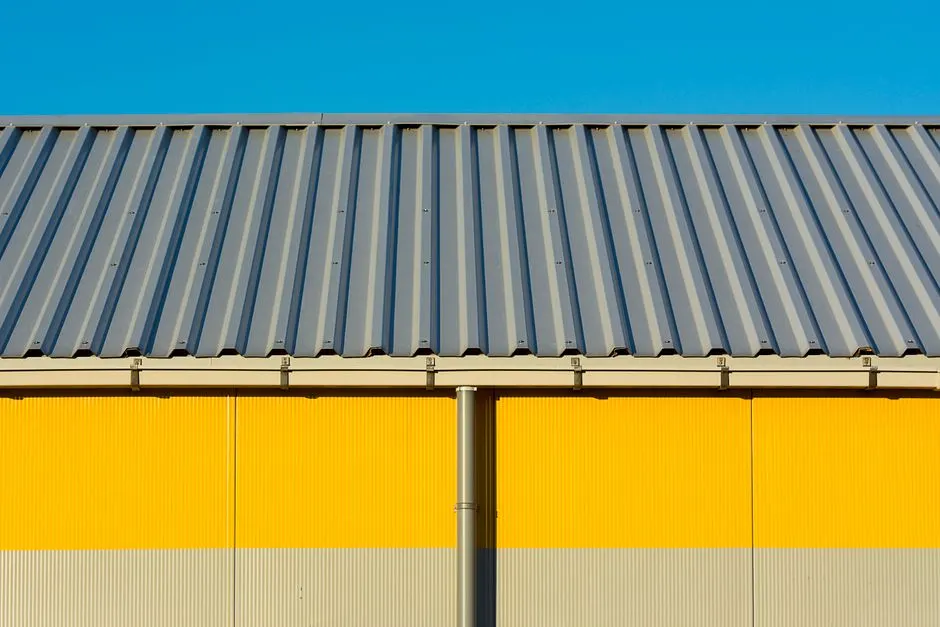
Commercial roof maintenance in Washington's rainy climate means clearing every drain and scupper before the fall rain starts, inspecting the membrane and flashings twice a year, and repairing ponding or blistering within days rather than months. Do those three things and a well-installed TPO or modified bitumen roof will run 20 to 25 years here instead of 12 to 15. This guide covers the exact inspection schedule, the seasonal checklist we run on commercial buildings across the state, current 2026 costs, and the mistakes that quietly destroy flat roofs in Western Washington.
Why Washington's rain is harder on commercial roofs than most owners expect
Seattle averages about 38 inches of rain a year, but the number that matters is rain days: roughly 150 of them. Your roof rarely dries out between October and April. That constant wet-dry cycling is what kills flat roofs here, not any single storm.
Commercial roof maintenance in Washington is a different discipline than it is in Phoenix or Denver. Water sits on a low-slope membrane for days at a time. Seams soften. Fastener heads back out. Sealant at pipe boots and curb flashings pulls away a millimeter at a time until the next Pineapple Express pushes water sideways under the membrane.
West of the Cascades you also get moss, algae streaking, and organic debris from Douglas fir and bigleaf maple. East of the mountains, in places like Yakima and Kennewick, you trade constant moisture for freeze-thaw cycling and wind-driven rain that finds every lifted edge. Both climates punish deferred maintenance the same way.
We handle commercial roofing in Washington on warehouses, retail strips, medical offices, and multi-tenant buildings, and the pattern is identical everywhere: the buildings that get serviced twice a year almost never call us for emergencies.
How often should a commercial roof be maintained in Washington?
Twice a year minimum, with a third visit in late October if your building sits under trees or has more than four roof drains. That is the commercial roof inspection frequency Washington property managers should budget for, and it is what most membrane manufacturers require to keep a warranty valid.
Here is how we schedule it for clients:
- March or April: post-winter inspection. Look for freeze damage, lifted seams, cracked sealant, and debris from winter storms.
- September or October: pre-winter service. Clear every drain, scupper, and gutter. This is the single highest-value visit of the year.
- Mid-summer (optional): for roofs with heavy tree cover, HVAC traffic, or a history of ponding.
After any windstorm over 40 mph, walk the roof within a week. Damage that looks cosmetic in July becomes a costly interior repair in December when water reaches ceiling tiles and insulation.
If you are not sure what shape your roof is in right now, a roof inspection in Washington gives you a written condition report with photos, moisture readings, and a prioritized repair list. That document is also what your insurance adjuster will ask for after a storm.
The commercial roof maintenance checklist Washington property managers should run every season
This is the commercial roof maintenance checklist Washington buildings actually need. Print it, hand it to your maintenance lead, and walk it twice a year.
- Drains and scuppers. Remove leaves, fir needles, and gravel. Test each drain with a hose. A clogged 4-inch drain can pond 2 inches of water across 1,000 square feet - that is over 10,000 pounds of load.
- Membrane surface. Walk the full field. Mark blisters, wrinkles, punctures, and open seams with chalk.
- Seams and terminations. Check every lap and the perimeter edge metal. Lifted edge metal is the number one wind-failure point on Puget Sound buildings.
- Penetrations. Pipe boots, vent stacks, conduit supports, and HVAC curbs. Re-seal anything that has pulled away.
- Rooftop equipment. Confirm HVAC units are seated on curbs with intact flashing. Check that service techs are not dragging tools across the membrane.
- Interior check. Look at ceiling tiles below the roof for staining. Water travels; the leak is rarely directly above the stain.
- Photos and log. Date every photo. A maintenance log is what proves you did not neglect the roof if a warranty claim comes up.
Two people can run this in 90 minutes on a 20,000-square-foot roof. Skipping it is how a flashing repair turns into a membrane replacement.
Flat roof maintenance Washington: drainage is the whole game
Flat roof maintenance Washington owners get wrong most often is drainage. Water is the enemy, and standing water is the enemy with a lawyer.
Your roof should shed water within 48 hours of a storm ending. If you still see ponds after two dry days, you have a slope or deflection problem, not a drainage problem, and it needs a professional look.
What we do on every drainage service call:
- Clear all drains, scuppers, and internal leaders.
- Check drain strainers and replace damaged ones.
- Verify ponding depth with a straightedge - anything over 1 inch at the low point needs correction.
- Inspect the roof deck from inside for sagging or water staining.
If your building is in an area with heavy fir and maple canopy, budget for a mid-fall drain clearing in addition to the September visit. We see this constantly on roofing in Bellevue and other Eastside commercial properties where mature landscaping surrounds the building.
TPO roof maintenance Washington: what actually shortens membrane life
TPO roof maintenance Washington is mostly about three things: seam integrity, chemical exposure, and rooftop traffic.
TPO is the dominant single-ply membrane on Pacific Northwest commercial roofs, and it holds up well here. A 60-mil TPO roof installed correctly will run 20 to 25 years. But it has specific vulnerabilities:
- Seams. Heat-welded seams are strong, but a poorly welded lap will open in year three or four. We probe-test seams on every inspection.
- Grease and oils. Restaurant exhaust and HVAC compressor oil degrade TPO. Keep discharge away from the membrane and clean spills immediately.
- Foot traffic. Repeated HVAC service without protection pads abrades the surface. Install walkway pads on every common service route.
- Ponding. TPO does not like standing water any more than EPDM does. Same drainage rules apply.
If your roof is older EPDM, modified bitumen, or built-up, the maintenance logic is similar but the failure points shift. Modified bitumen granules wear off and expose the asphalt. EPDM shrinks and pulls at terminations. We adjust the checklist to the membrane you actually have.
How do I prevent commercial roof leaks in Washington rain?
You prevent commercial roof leaks in Washington rain by keeping water moving off the roof, keeping sealant intact at every penetration, and repairing small membrane damage before the next wet front arrives. There is no trick to it - it is a routine.
The three leak sources we find most often on Puget Sound commercial buildings:
- Failed pipe boot sealant. UV and wet-dry cycling crack the sealant around vent pipes within 5 to 7 years. Re-sealing costs a few hundred dollars; the interior damage from ignoring it can run five figures.
- Lifted edge metal. Wind gets under the drip edge, water follows. This is the leading cause of ceiling leaks after a November windstorm.
- Clogged drains backing water under the membrane. Water finds the lowest seam and pushes through. This is why the October drain clearing matters more than any other single task.
If you already have an active leak, do not wait for the next scheduled visit. A roof repair in Washington done in the dry season costs a fraction of the same repair done in January with interior damage on top.
Commercial roof maintenance cost Washington: what to budget in 2026
Repairs are separate and depend on scope:
An annual maintenance budget is the cheapest insurance you will ever buy.
We quote maintenance plans with flat annual pricing, not hourly, so you know the number before the first visit. No surprise line items for a drain clearing or a tube of sealant.
Common mistakes that turn a small repair into a major replacement
Most commercial roof failures we see were preventable. These are the mistakes that do the damage:
- Letting unlicensed HVAC techs walk the roof. Dropped tools, punctured membrane, and boots that never get re-sealed. Require walkway pads and a sign-in log.
- Using the wrong sealant. Hardware-store silicone on a TPO roof will fail within a year. Membrane-compatible sealants only.
- Patching over wet insulation. You seal the top and trap the water. It migrates sideways and shows up 30 feet away.
- Ignoring small blisters. A blister the size of a dinner plate becomes a 200-square-foot delamination in two winters.
- Skipping the fall drain clearing. The single most expensive shortcut on this list.
- No maintenance log. When you file a warranty claim, the manufacturer asks for proof of maintenance. No log, no coverage.
We see the same pattern on roofing in Tacoma industrial buildings and on smaller retail strips in roofing in Kent: a decade of no service, then a sudden replacement that could have been a repair program.
When to call a professional
Call us when you see any of these: ponding that lasts more than 48 hours after rain stops, ceiling stains that reappear after a patch, blisters larger than a dinner plate, lifted edge metal, or a roof over 15 years old that has never been professionally inspected.
Our team at Washington Roofing Solution handles commercial roof maintenance, inspections, and repairs across the state, and we document every visit with photos and a written report so you can see exactly what we found and what we did. If your building has a maintenance log that stops two years ago, that is the sign to restart it.
Frequently Asked Questions
How often should a commercial roof be maintained in Washington?
Twice a year minimum - once in spring after the wet season and once in early fall before the rain returns. Buildings under heavy tree cover or with more than four drains should add a third visit in late October. Most membrane warranties require this frequency to stay valid.
What is the best maintenance for a commercial roof in Washington?
Drain clearing, seam and flashing inspection, and prompt repair of any membrane damage. On TPO and EPDM roofs, add walkway pads on service routes and keep grease and oils off the membrane. The routine matters more than any single product.
How much does commercial roof maintenance cost in Washington?
A full inspection with a written report is quoted by roof size and scope.
How do I prevent commercial roof leaks in Washington rain?
Keep drains clear, re-seal pipe boots and flashings every 5 to 7 years, and repair lifted edge metal before windstorm season. Walk the roof after any storm over 40 mph. Small repairs done in dry weather cost a fraction of emergency work in January.
How long does a commercial roof last in Washington?
A well-maintained 60-mil TPO roof lasts 20 to 25 years here. The same roof with no maintenance typically fails at 12 to 15. Modified bitumen and EPDM run slightly shorter in both scenarios because of our wet-dry cycling.
Get help with roofing in Washington
If your commercial building has not been inspected since last fall, the next wet front is not the time to find out what is wrong. We will walk the roof, document the condition, and give you a flat annual maintenance number before any work starts.
Call Washington Roofing Solution at +1 (832) 520-2787 to schedule your commercial roof inspection and get on a maintenance plan that fits your building.